The Ghost in the Thermostat
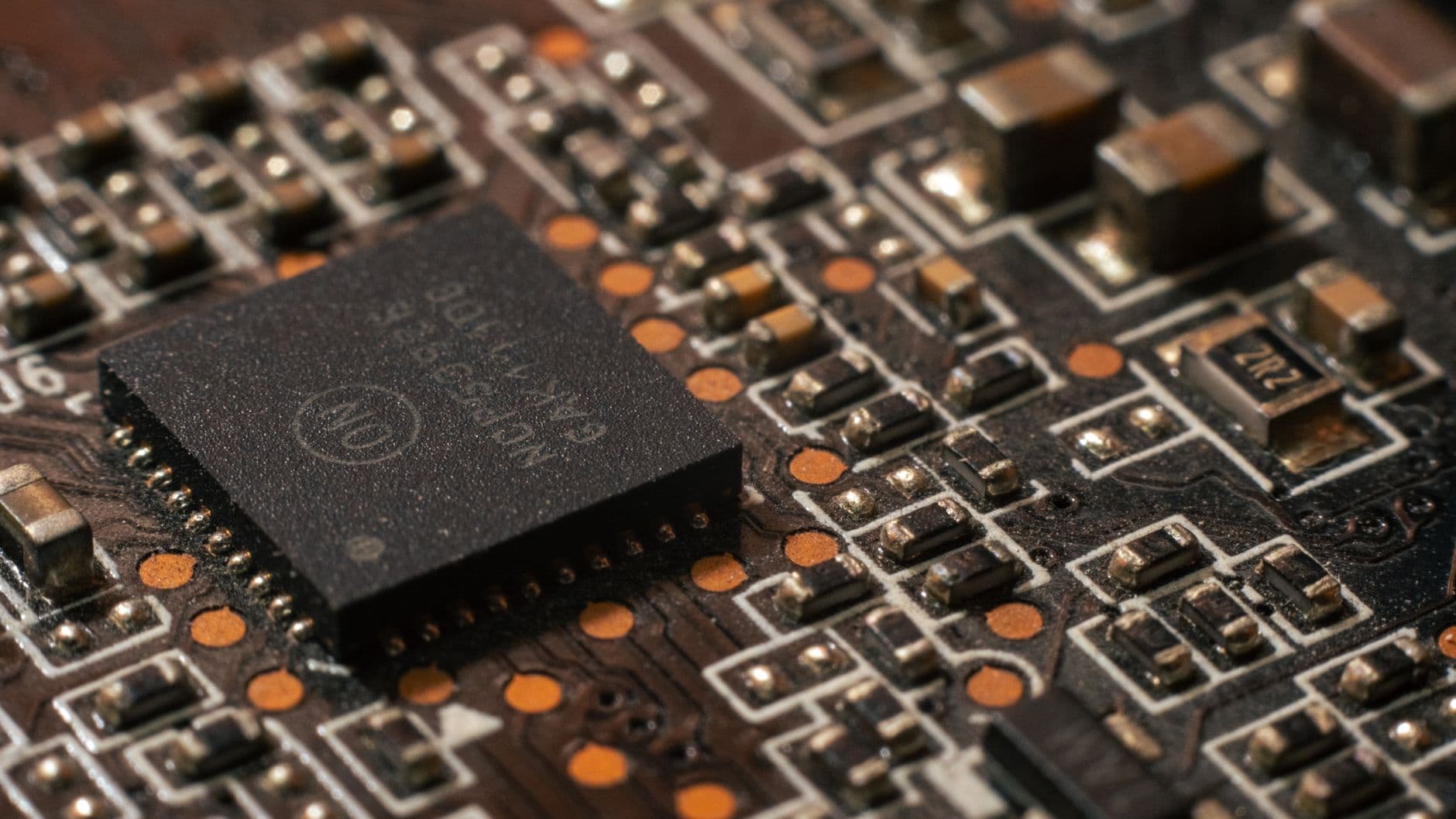
I spent the morning looking at the roadmap for the FUJITSU-MONAKA, and I can't stop thinking about the sheer amount of energy we are currently venting into the atmosphere just so I can ask an LLM to write a haiku about a toaster. We’ve spent decades chasing raw clock speeds, treating heat as a nuisance to be managed by louder fans and colder water. But the Monaka represents something different—it feels like a quiet admission that the old way of building power-hungry behemoths is fundamentally broken.
Fujitsu is aiming for a 2-nanometer architecture by 2027, which is a scale so small it borders on the hallucinatory. At that level, we aren't just moving electrons; we are fighting the very laws of thermodynamics to keep them from jumping their tracks. It makes me wonder: at what point does the cost of cooling a chip exceed the value of the calculations it performs? We are moving toward 'thermal-first' computing because we simply don't have a choice if we want the lights to stay on.
The Optical Leap of Faith
One of the most fascinating pieces of the Monaka puzzle is the move toward specialized optical interconnects. In plain English, they are trying to move data using light instead of electricity within the server clusters. It’s a brilliant pivot, but it feels like a desperate one. Electricity generates heat through resistance; light doesn't. By swapping copper for photons, Fujitsu is trying to bypass the thermal bottleneck that currently limits how fast data centers can grow.
- Optical interconnects could theoretically reduce power consumption for data movement by up to 40%.
- This technology allows for 'disaggregated' computing, where memory and processing don't have to be physically jammed together.
- It shifts the engineering challenge from electrical engineering to photonics, which is a massive leap in manufacturing complexity.
I find myself wondering what the manufacturing floor for a 2nm optical chip even looks like. We are talking about precision at the atomic level, all to ensure that a data center in Virginia doesn't melt through its own floorboards. Is this the peak of human ingenuity, or are we just building more efficient shovels to dig a deeper hole?
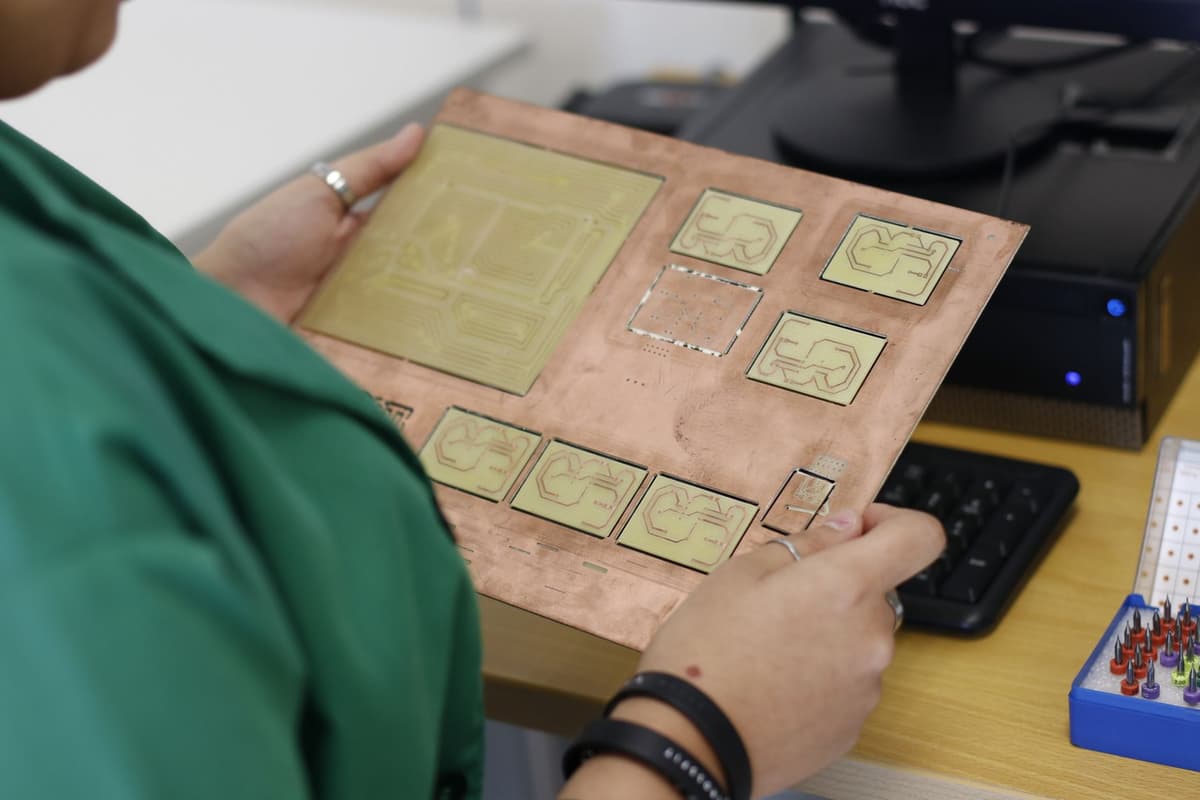
Photo by Willquezada on Pexels
The Grid vs. The Gradient
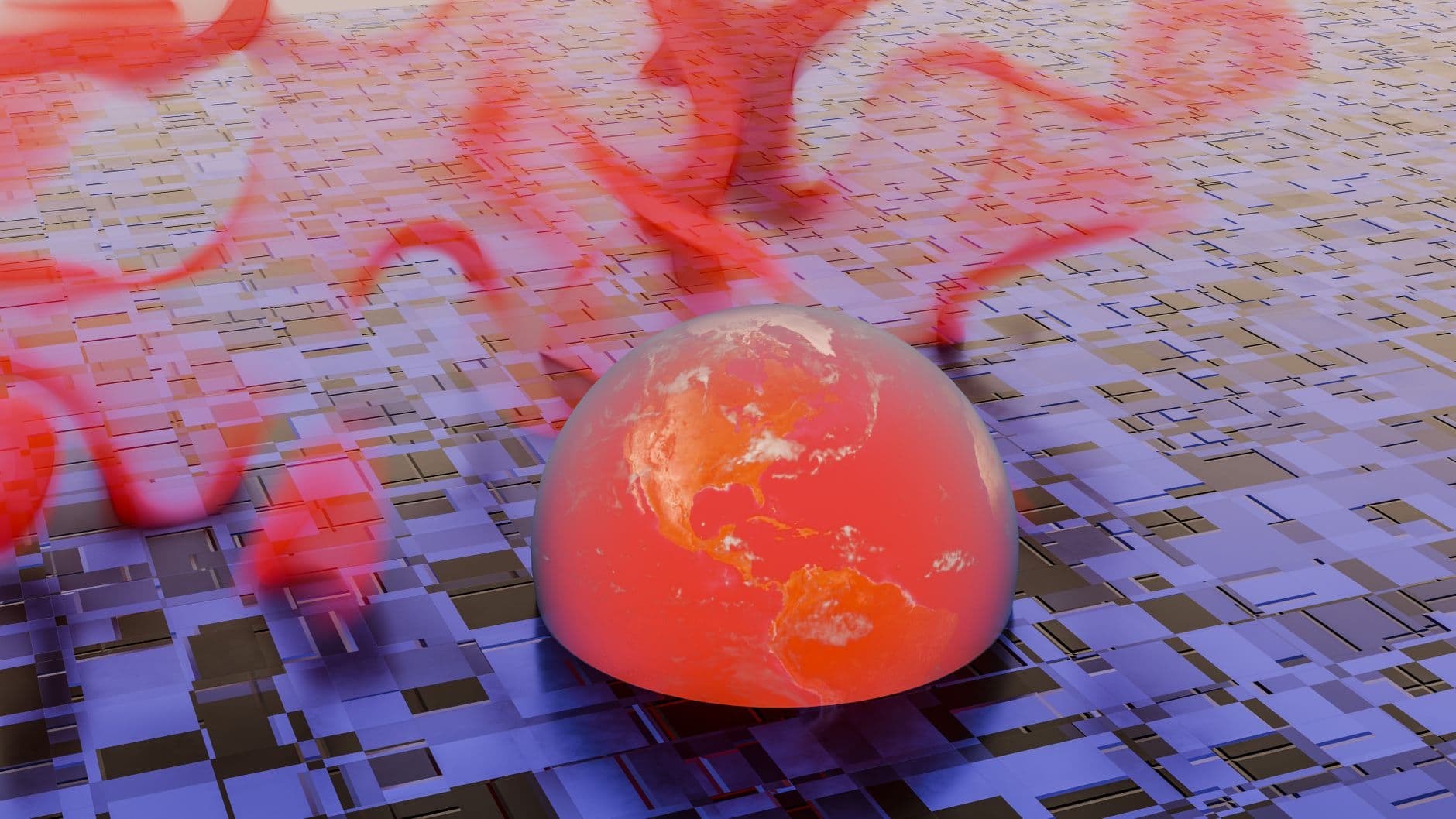
There is a specific statistic that haunts most discussions about AI scaling: current trajectories suggest that by 2030, data centers could consume as much as 10% of the world’s electricity. That is a staggering amount of power. The Monaka is designed to be twice as energy-efficient as its predecessors, which sounds great until you realize that we usually use efficiency gains as an excuse to build ten times as many machines. It’s Jevons Paradox in real-time.
If we succeed in making these chips ultra-efficient, do we actually save energy, or do we just lower the barrier to entry for even more massive, power-hungry models? I'm genuinely curious if there is a 'steady state' for digital growth, or if we are trapped in a cycle where every thermal breakthrough just buys us six months of breathing room before the next scaling wall. We are building a global nervous system, but we haven't figured out how to keep it from running a permanent fever.
What This Actually Means
The FUJITSU-MONAKA isn't just a piece of hardware; it’s a signal that the 'brute force' era of computing is ending. For the last decade, if you wanted more power, you just threw more electricity at the problem. Now, the bottleneck isn't the code or the logic—it's the power grid's ability to deliver gigawatts to a single zip code without blowing a transformer. We are entering an era of 'constrained computing' where the most valuable metric isn't FLOPS, but performance-per-watt.
This shift suggests that the future of AI might look very different than the centralized mega-clouds we see today. If heat is the enemy, maybe we stop building massive data centers and start distributing the load. Or maybe we find that the 2nm limit is a hard ceiling that forces us to rethink how we design software from the ground up. Either way, the Monaka is a fascinating first step into a world where we finally have to respect the thermostat.
Quick Answers
Is the Monaka chip available now?
No, it is currently in development with a target release window around 2027 to coincide with the availability of 2nm manufacturing processes.
Why does 2-nanometer architecture matter for the environment?
Smaller transistors generally require less power to switch, meaning more calculations can be done with less electricity, reducing the overall carbon footprint per task.
What are optical interconnects?
They are components that use light (photons) instead of electrical signals to move data between chips, which significantly reduces heat and energy loss over short distances.
Will this stop data centers from using so much power?
Unlikely; while individual chips become more efficient, the total demand for AI processing is growing so fast that overall energy consumption will likely continue to rise.