The Great Cognitive Offloading
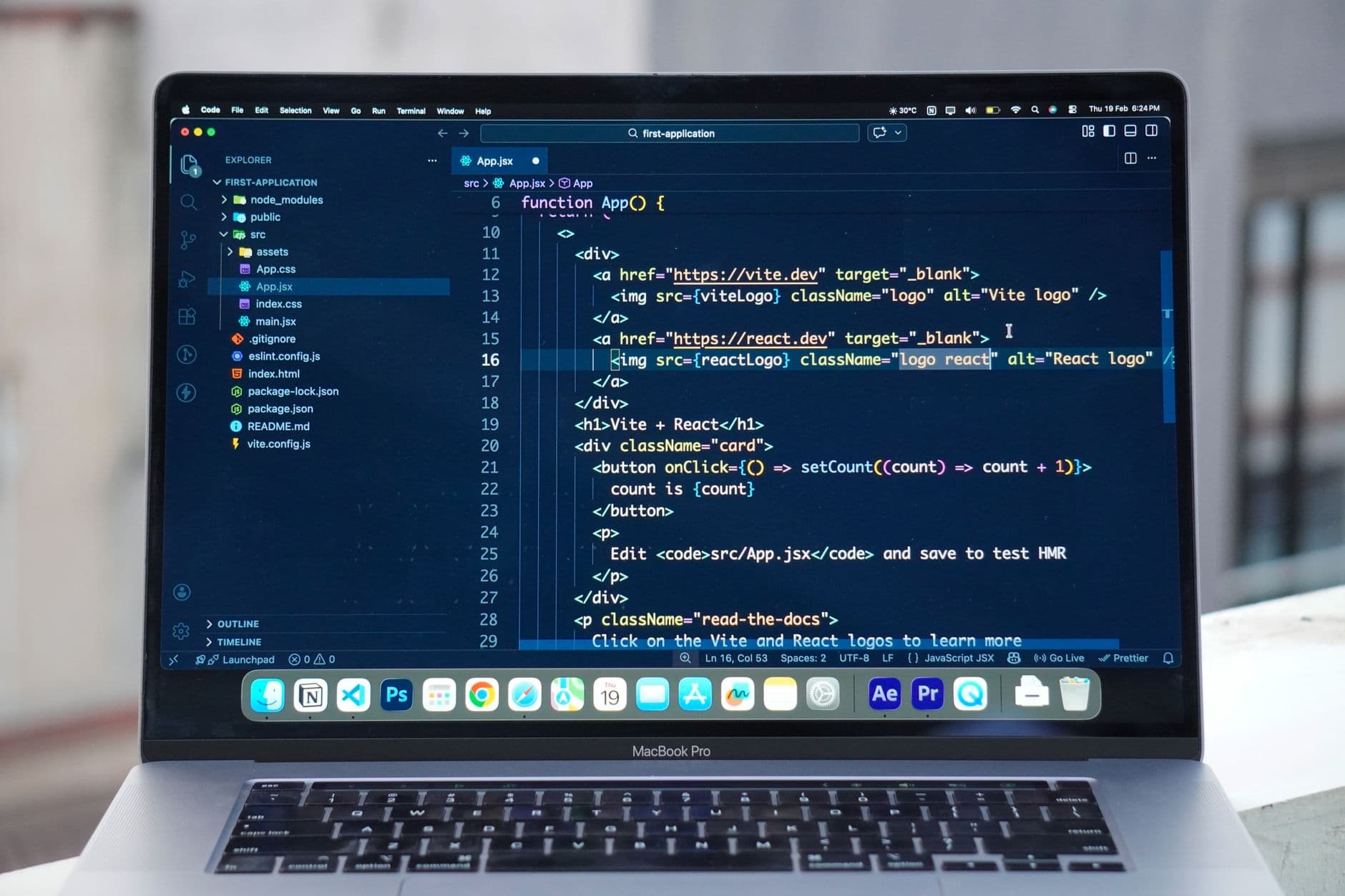
For the better part of two decades, we have operated under the delusion that access to information is synonymous with knowledge. This fundamental error has led to a state of 'digital amnesia,' where the ease of retrieval via search engines and generative AI has signaled to our brains that certain data is no longer worth storing. When you know a fact is only three keystrokes away, your hippocampus effectively stops trying. We are becoming intellectually hollowed out, possessing the map to everything but the territory of nothing.
This is why a growing subset of the tech elite is turning toward the 'Method of Loci,' or the memory palace. It is an ancient Greek mnemonic technique that involves visualizing a familiar physical space and placing 'images' of data along a predetermined path. To an outsider, memorizing 100 digits of pi—3.1415926535... and so on—looks like a parlor trick. To the engineer, it is a gym session for a muscle that has spent a decade in a cast. It is a desperate, necessary attempt to reclaim the biological hardware that makes deep thinking possible.
The High Cost of Instant Access
The price of outsourcing our memory to the cloud is higher than a monthly subscription fee. Real creativity and synthesis require that information exist internally. True insight happens when two disparate ideas collide in the subconscious; if those ideas are stored on a server in Virginia rather than in your own neurons, the collision never occurs. You cannot connect dots that you do not personally possess.
- The Google Effect: Studies consistently show that people are less likely to remember information when they believe it will be available later online.
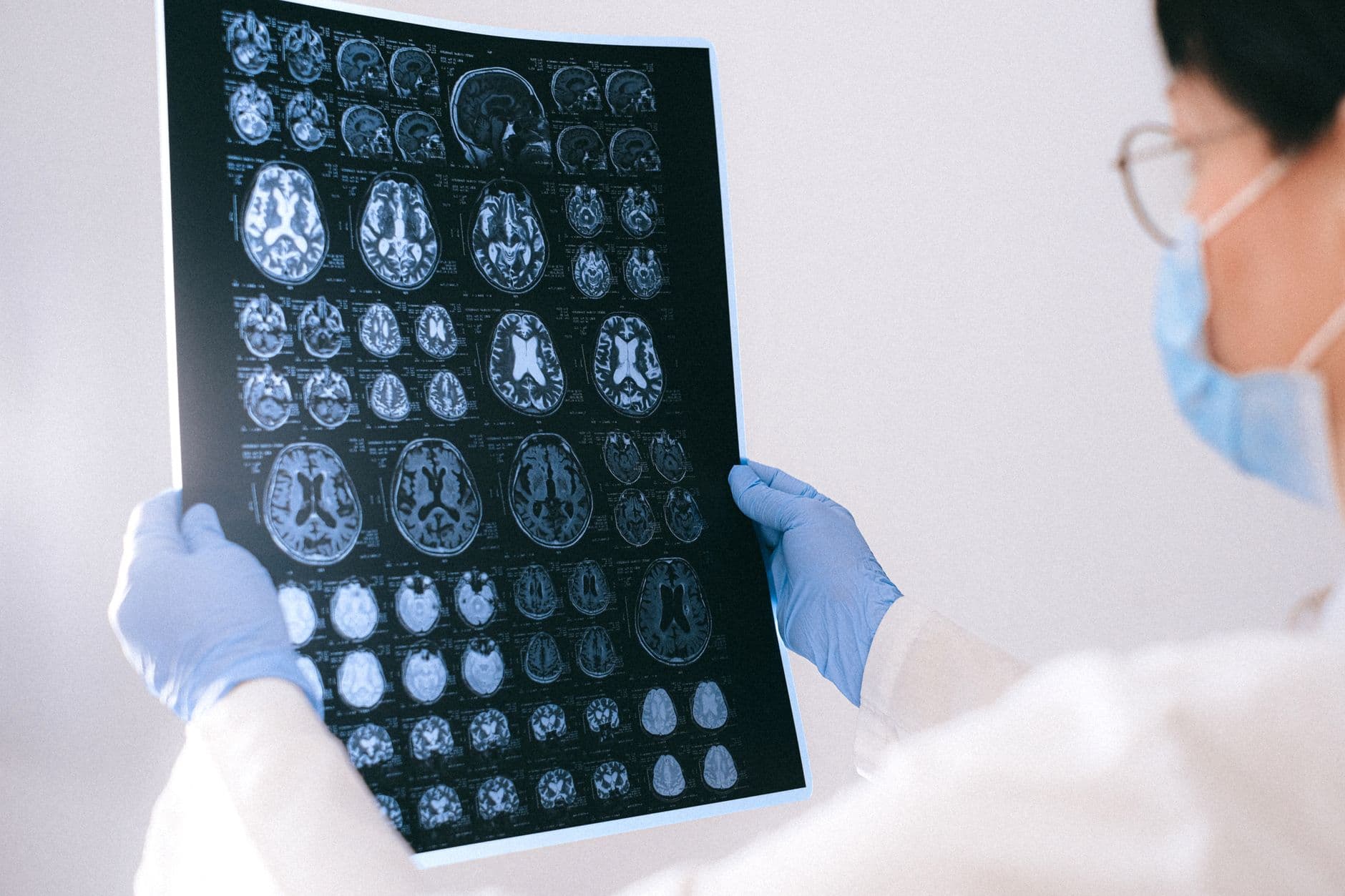
- Neuroplasticity at Risk: By failing to engage in rote memorization, we are likely thinning the cortical regions associated with complex spatial navigation and long-term storage.
- The AI Dependency: As LLMs begin to draft our emails and code, the human role is shrinking to that of a mere 'editor' of external outputs, further distancing us from the raw materials of our craft.

Photo by Nothing Ahead on Pexels
Analog Defiance in a Digital Age
There is a specific gravity to having 100 digits of pi, or the entire periodic table, or a dozen Shakespearean sonnets etched into your mind. It changes your relationship with time and boredom. When your internal library is stocked, you are never truly idle. You are not a terminal waiting for a signal; you are an autonomous unit of intelligence. The memory palace renaissance is a recognition that our biological brains require friction to function. Without the labor of memorization, our minds become slick and frictionless, unable to hold onto anything of substance.
In 2024, the act of memorizing something is a radical statement of sovereignty. It is an assertion that your mind is a fortress, not a rental property owned by a tech conglomerate. The engineers practicing these ancient techniques aren't doing it because it’s efficient—they’re doing it because it’s hard. They are intentionally reintroducing the struggle that the digital world has spent thirty years trying to eliminate.
What This Actually Means
The return to hyper-analog mnemonics is the first sign of a broader cultural realization: we have over-optimized for convenience at the expense of capability. We are reaching the limit of what can be achieved through outsourcing. If you want to solve the hardest problems in physics or software architecture, you need the variables loaded into your own RAM, not sitting in a browser tab.
Ultimately, this isn't about pi. It’s about the preservation of the individual as a self-contained intellectual entity. If we lose the ability to store and retrieve our own thoughts, we lose the ability to govern ourselves. Rebuilding our internal memory is the first step toward a future where we use AI as a tool, rather than as a life-support system for our atrophied intellects.
Quick Answers
Is this just a hobby for tech eccentrics?
No, it is a functional response to the measurable decline in cognitive endurance across the professional landscape.
Why 100 digits of pi specifically?
It serves as a benchmark for mental discipline, requiring both the construction of a robust memory palace and the stamina to navigate it without error.
Can't we just rely on AI to remember for us?
Outsourcing memory prevents the internal synthesis of ideas, which is the only true source of human innovation and original thought.