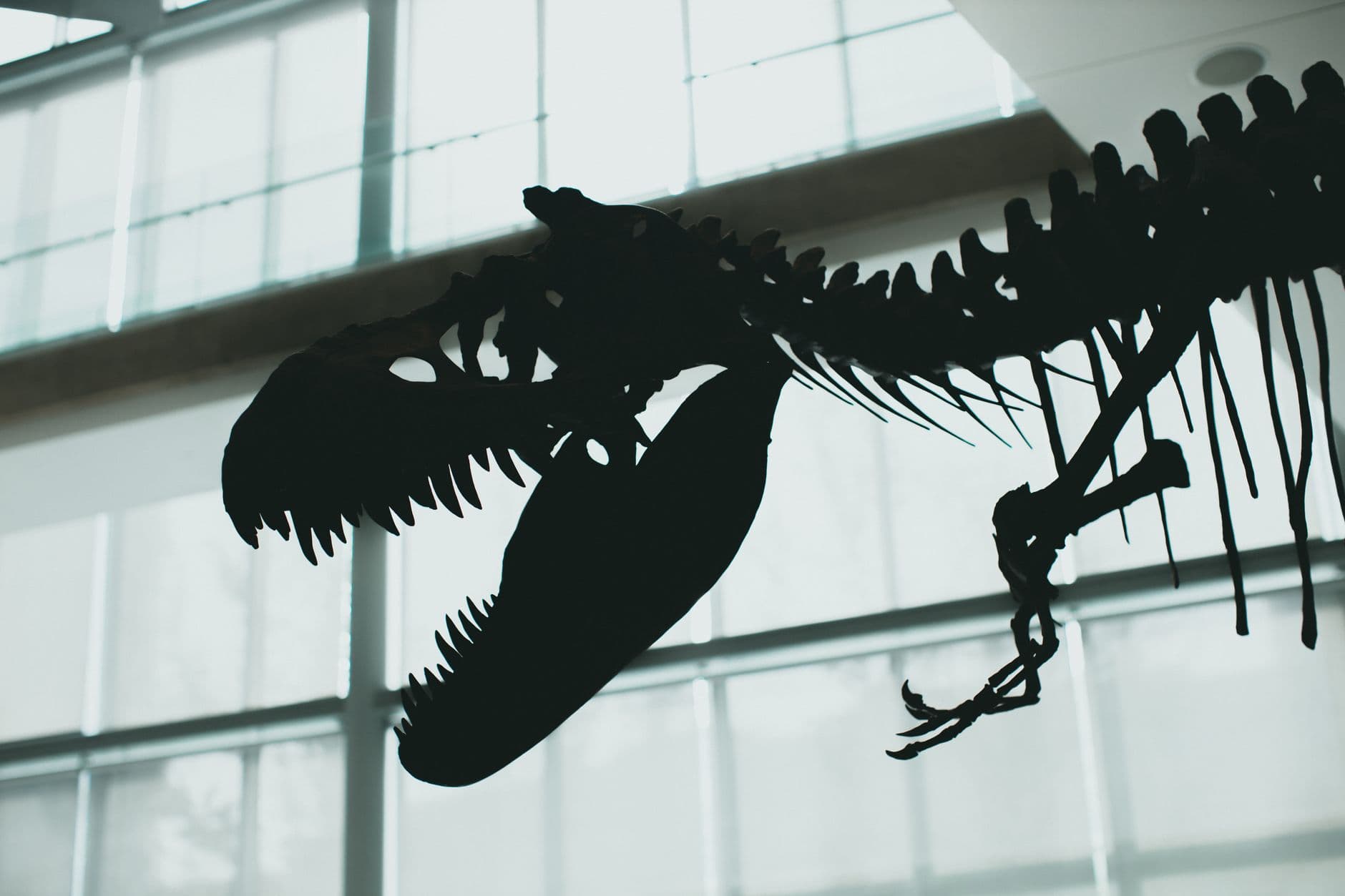
Geography has always been the primary constraint on growth, yet the discovery of Diplodocus fossils in the Iberian Peninsula suggests we have fundamentally misunderstood the scale of the Jurassic world. For decades, this long-necked titan was the quintessential American icon, a product of the Morrison Formation’s unique bounty. Finding it in Spain isn't just a taxonomic curiosity; it is evidence of a hyper-efficient, transcontinental food system that allowed 20-ton organisms to thrive across vast distances.
We are looking at the prehistoric equivalent of a global supply chain. To sustain a creature that requires hundreds of pounds of high-quality forage every single day, the environment cannot be a patchwork of localized niches. It must be a standardized, high-output factory. The presence of Diplodocus on both sides of the budding Atlantic Ocean implies that the Jurassic landscape was less of a wild jungle and more of a synchronized, globalized monoculture of ferns and conifers.
The Efficiency of Biological Standardization
Biological diversity is often framed as the hallmark of a healthy ecosystem, but the sheer caloric demand of a Diplodocus population demands the opposite: consistency. When an animal reaches a certain scale, it can no longer afford to be a specialist or a picky eater. It requires a predictable, high-density fuel source that looks the same in Wyoming as it does in Teruel. This discovery suggests that the Jurassic period achieved a level of botanical homogenization that we typically associate with modern industrial farming.
Consider the energy math. A single adult Diplodocus likely consumed roughly 200,000 calories daily. If the flora of Europe and North America had been significantly different, the metabolic cost of adapting to new enzymes and gut microbes would have been prohibitive. Instead, the fossil record now suggests a "Jurassic Terroir" that was remarkably uniform. The planet wasn't a collection of isolated islands; it was a single, massive grazing floor designed for maximum throughput.
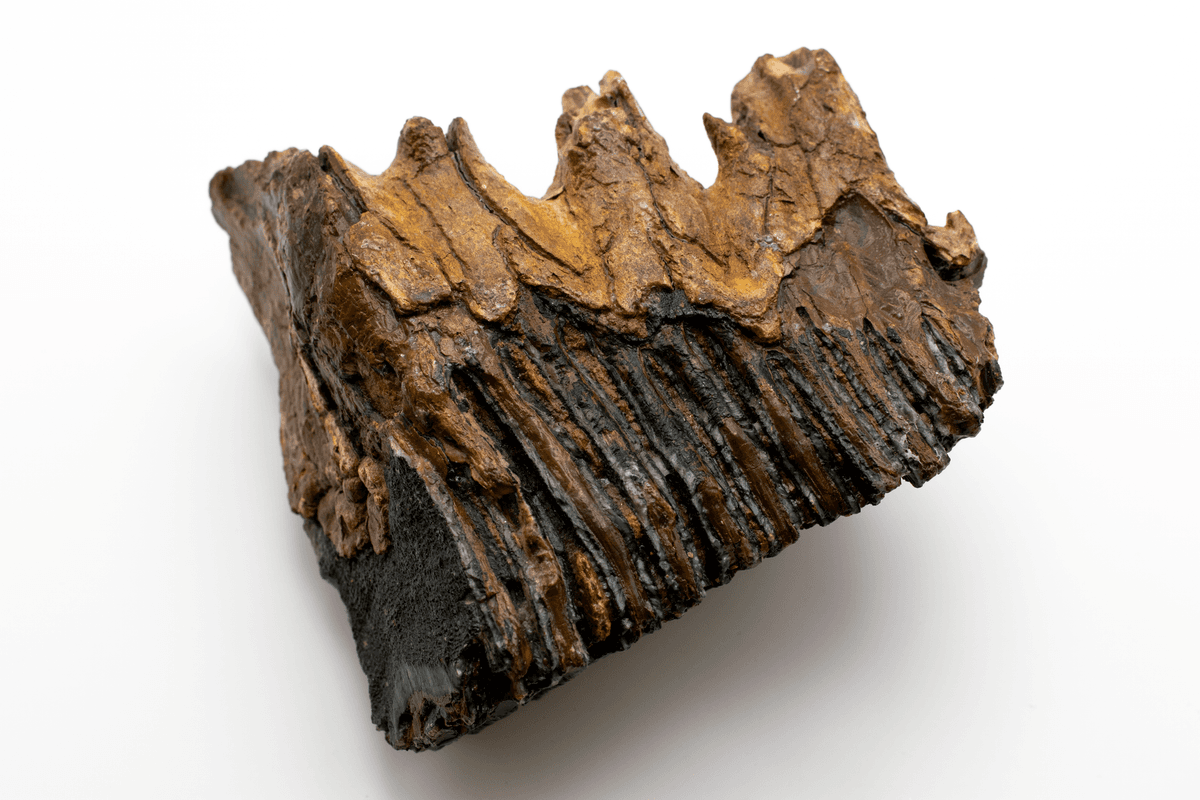
Photo by Nicolas Foster on Pexels
Sovereignty and the Logistics of Scale
This discovery forces a re-evaluation of how we view land and resources. In modern agriculture, we use technology to force the land to produce what we want—corn, soy, wheat—regardless of the local climate. The Jurassic period appears to have achieved this through sheer scale and time. The mega-herbivores were the primary drivers of their own environment, likely trampling diverse undergrowth and favoring the rapid regrowth of the specific conifers and ferns that fueled them.
They were not just inhabitants of the landscape; they were its architects. This is the same logic used by modern agribusiness: simplify the input to maximize the output. The fact that Diplodocus could migrate or expand its range across what would become the Atlantic Ocean indicates that the "infrastructure" of the food supply was already in place. It suggests a world where the barriers to entry for mega-fauna were non-existent because the food was the same everywhere.
The Fragility of the Mega-System
There is a profound warning in this ancient globalization. Systems that prioritize scale and uniformity are incredibly efficient until they aren't. A monoculture—whether it is a field of modern Cavendish bananas or a continent-spanning forest of Jurassic Araucaria—is a single point of failure. When the environment shifted at the end of the Jurassic, the very standardization that allowed Diplodocus to conquer two continents became its death warrant.
We see the same patterns in our current global food security models. We have spent the last 70 years standardizing the world's diet to a handful of crops, much like the Jurassic landscape was likely dominated by a few high-yield plant groups. We have achieved a "Diplodocus scale" of feeding billions of people, but we have done so by erasing the geographic buffers that protect against systemic collapse. The Spanish Diplodocus is a reminder that being everywhere is often a precursor to being nowhere.
What This Actually Means
The Spanish discovery proves that the Late Jurassic was not a collection of disparate ecosystems, but a unified biological economy. The ability of a massive, specialized herbivore to thrive across thousands of miles of shifting terrain suggests a level of environmental synchronization we are only now beginning to quantify. It challenges the idea that "local" has ever been the natural state for dominant species.
Ultimately, this isn't just about dinosaurs; it’s about the physics of feeding a giant. Whether you are a 150-million-year-old sauropod or a 21st-century civilization, the requirements remain the same: you need a massive, reliable, and standardized caloric base. The more successful a species becomes at expanding its reach, the more it forced to simplify the world around it to survive.
We are currently living through our own version of the Jurassic Terroir. We have created a world where you can find the same hamburger in Madrid and Montana, mirroring the way Diplodocus found the same ferns in both locations. The fossil record is simply telling us that this drive toward homogenization is an old story, and it always ends when the environment stops being predictable.
Quick Answers
How did Diplodocus get from America to Spain?
During the Late Jurassic, approximately 154 million years ago, the North Atlantic was in its infancy and land bridges likely still connected the landmasses, allowing for slow but steady faunal migration.
Why does this discovery change how we think about dinosaur diets?
It suggests that their food sources were not localized or unique, but part of a massive, standardized botanical landscape that existed across the supercontinent of Laurasia.
What is the 'Jurassic Terroir' hypothesis?
It is the theory that the environment of the Jurassic was a functional monoculture, where a lack of plant diversity allowed for the evolution of massive, wide-ranging herbivores with consistent caloric needs.