Hooking Is For Pirates And Crocheting
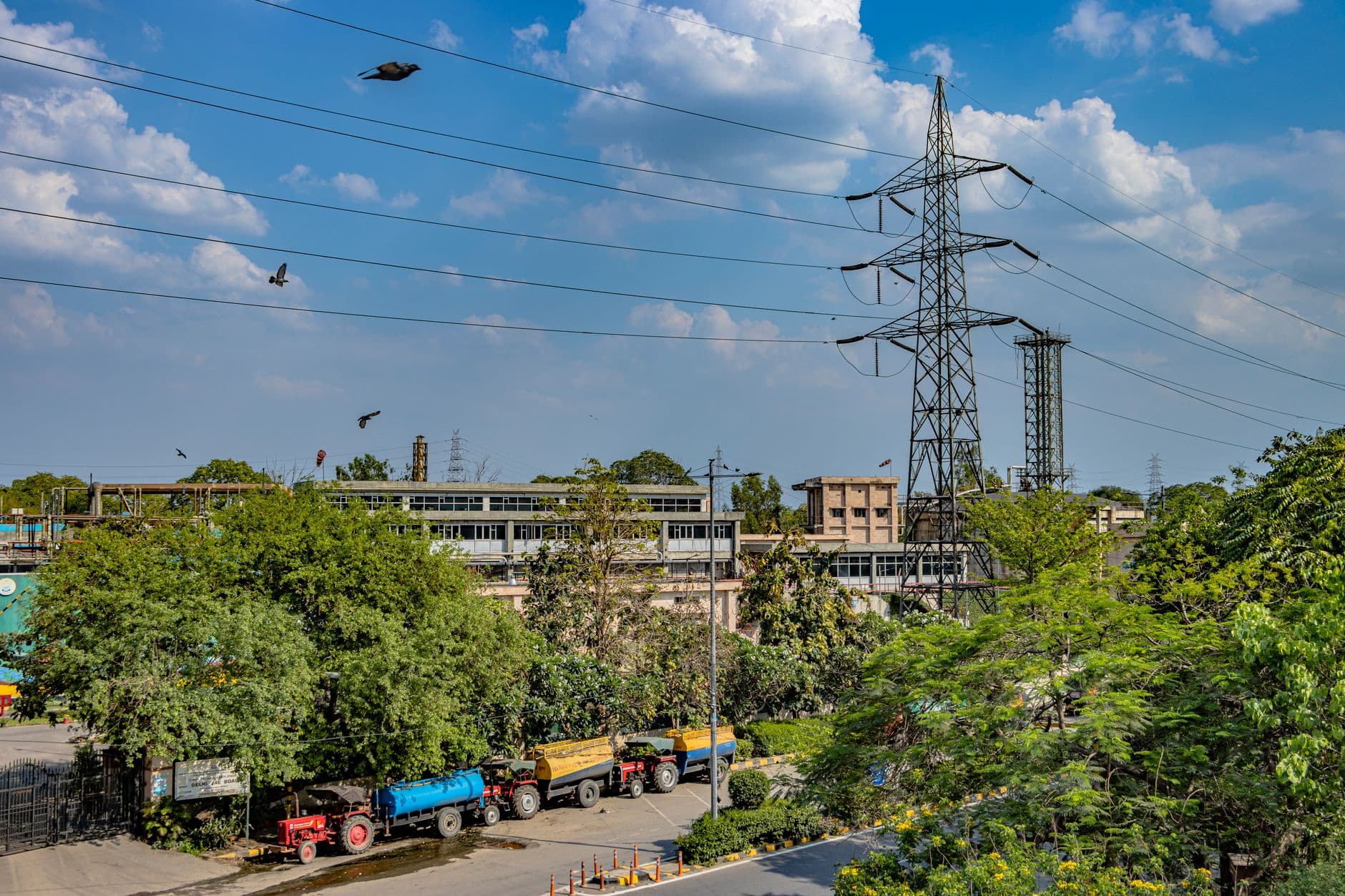
Back in 2002, trying to manage the Delhi power grid was like trying to carry a gallon of water in a wicker basket while running a marathon through a cactus patch. Half of the electricity just... evaporated. It didn't go to light bulbs or fans; it went into the ether, or more accurately, into the 'hooking' culture where people treated overhead power lines like a free-for-all buffet. If you had a long enough pole and a complete disregard for your nervous system, you had free AC.
Imagine running a bakery where every time you bake ten loaves of bread, five of them are snatched by a guy with a grappling hook before they even hit the counter. You can’t pay your bakers. You can’t buy flour. Eventually, you just start crying into the dough. That was Delhi. The city was hemorrhaging money, the lights flickered if someone sneezed too hard, and the state was perpetually one blown fuse away from a pitchfork-wielding mob.
Then they fixed it. They didn't just fix it; they crushed the loss rate down to 5 percent. This is statistically impossible in a city where the population density is essentially 'everyone is touching everyone else at all times.' Now, geopolitical nerds in sharp suits are flying in to study Delhi like it’s the secret location of the Fountain of Youth. They think if they can stop people from hot-wiring the sky in Lagos or Karachi, suddenly world peace will break out.
The Geopolitical Magic Of Not Having Your Fridge Explode
There is a very specific type of rage that only occurs when your power goes out in 110-degree heat while you are midway through a high-stakes Zoom call or, more importantly, a season finale of a show you like. In the Global South, grid failure isn't just an inconvenience; it’s a political Tinderbox. When the lights go out, people don't just light candles and play charades. They go outside and start wondering why the government exists if it can't even keep the ceiling fan spinning.
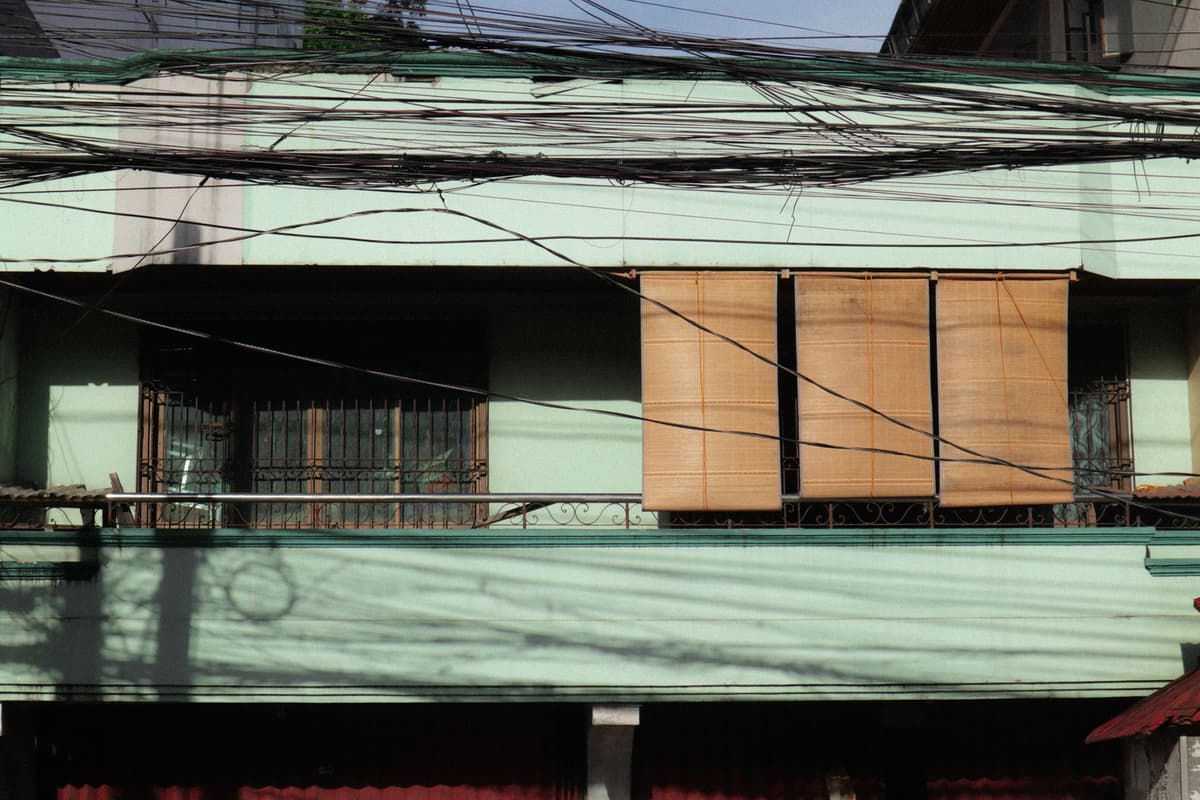
Photo by Brittany Bonto on Pexels
Stabilizing a megacity starts with making sure the beer stays cold. If you can't guarantee that, you're not a government; you're just a group of people in expensive cars who are about to get chased by a crowd. Delhi’s 'Power Sovereignty' blueprint is basically the art of convincing 30 million people that paying for power is better than living in a humid dark room with a broken toaster. It turns out that when people actually pay for things, the utility company can afford to buy wires that don't melt in the rain. Revolutionary, I know.
This isn't just about copper and transformers. It’s about the social contract. In the old days, the contract was: 'We will pretend to provide power, and you will pretend to pay for it while actually stealing it.' Delhi broke that cycle by privatizing distribution and installing meters that are harder to hack than the Pentagon. They turned electricity from a 'suggestion' into a commodity. Now, international observers are treating this like the blueprint for preventing the next revolution. If the grid is stable, the people are chill. Literally.
Why Your Local Think Tank Is Obsessed With Meters
I’ve read reports that describe Delhi’s transition with the kind of breathy excitement usually reserved for a new iPhone launch. They talk about 'Technical and Commercial Loss Reduction' like it’s a spell from Harry Potter. But the reality is much funnier. It involved a massive amount of 'social engineering,' which is the polite way of saying they sent people into neighborhoods to explain that if they kept stealing power, the transformer would eventually explode and take the local pharmacy with it.
- Step 1: Replace naked wires with insulated cables so you can't just throw a metal coat hanger over them.
- Step 2: Move the meters to high poles where grandma can't whack them with a broom to slow down the dial.
- Step 3: Convince people that a 24/7 steady supply is worth the $20 bill at the end of the month.

Photo by John Robertson on Pexels
It’s a hard sell in places where 'free' has been the price point since the 1970s. But Delhi proved that even the most chaotic, sprawling urban jungle can be tamed if you just stop the leakage. Geopolitically, this is huge because it removes the 'Stagnation Trap.' You can't run a factory if the machines turn off every twenty minutes. You can't have a middle class if they spend all their money on diesel generators. By fixing the leaks, Delhi basically gave itself a massive economic stimulus package that didn't cost a cent in new taxes—it just stopped the theft.
What This Actually Means
What this actually means is that the future of global stability isn't going to be decided by nuclear treaties or space lasers. It’s going to be decided by whether or not a guy in a suburb of Manila can trust that his internet will stay on through the afternoon. Delhi has become the unlikely laboratory for the 'Functional State.' If you can make the lights stay on in a city of 32 million people, you can probably do anything.
We are seeing the birth of 'Infrastructure Diplomacy.' India is now exporting this knowledge like it’s a premium software patch for buggy democracies. They’re basically saying, 'Hey, your country is falling apart because no one pays their bills and the grid is held together by duct tape and prayers. Want to see how we stopped the bleeding?' It’s a powerful pitch. It turns out that 'not being in the dark' is a very popular political platform.
Ultimately, the 'Delhi Miracle' is a reminder that the world is run by the boring stuff. We want to talk about grand ideologies, but the guy who figures out how to stop 45% of the power from vanishing into thin air is the one who actually saves the city. If the Global South follows this blueprint, we might see a decade of unprecedented growth. Or, at the very least, a lot fewer exploded transformers. And honestly? I’ll take it.
Quick Answers
Is electricity theft really that big of a deal?
Yes, losing 50% of your product before it reaches the customer is a great way to make sure your company (and your city) goes bankrupt by Tuesday.
Can other cities actually copy Delhi?
It’s possible, but it requires a stomach for 'tough love' and a lot of insulated wire. It's less about technology and more about convincing people that 'free' is actually very expensive in the long run.
Does this mean world peace is coming?
Probably not, but it’s much harder to start a riot when you have a functioning air conditioner and a cold drink in your hand.