Modern agriculture has successfully decoupled food production from the whims of local weather through the precise application of technology. At the heart of this miracle is the Programmable Logic Controller (PLC), a ruggedized computer that dictates exactly when a valve opens, how much pressure a pump exerts, and which nutrients are injected into the soil. When CISA issues an alert about these devices being targeted by state-sponsored actors, they are describing a vulnerability that extends far beyond municipal drinking water. They are describing the potential for a remote, digital famine.
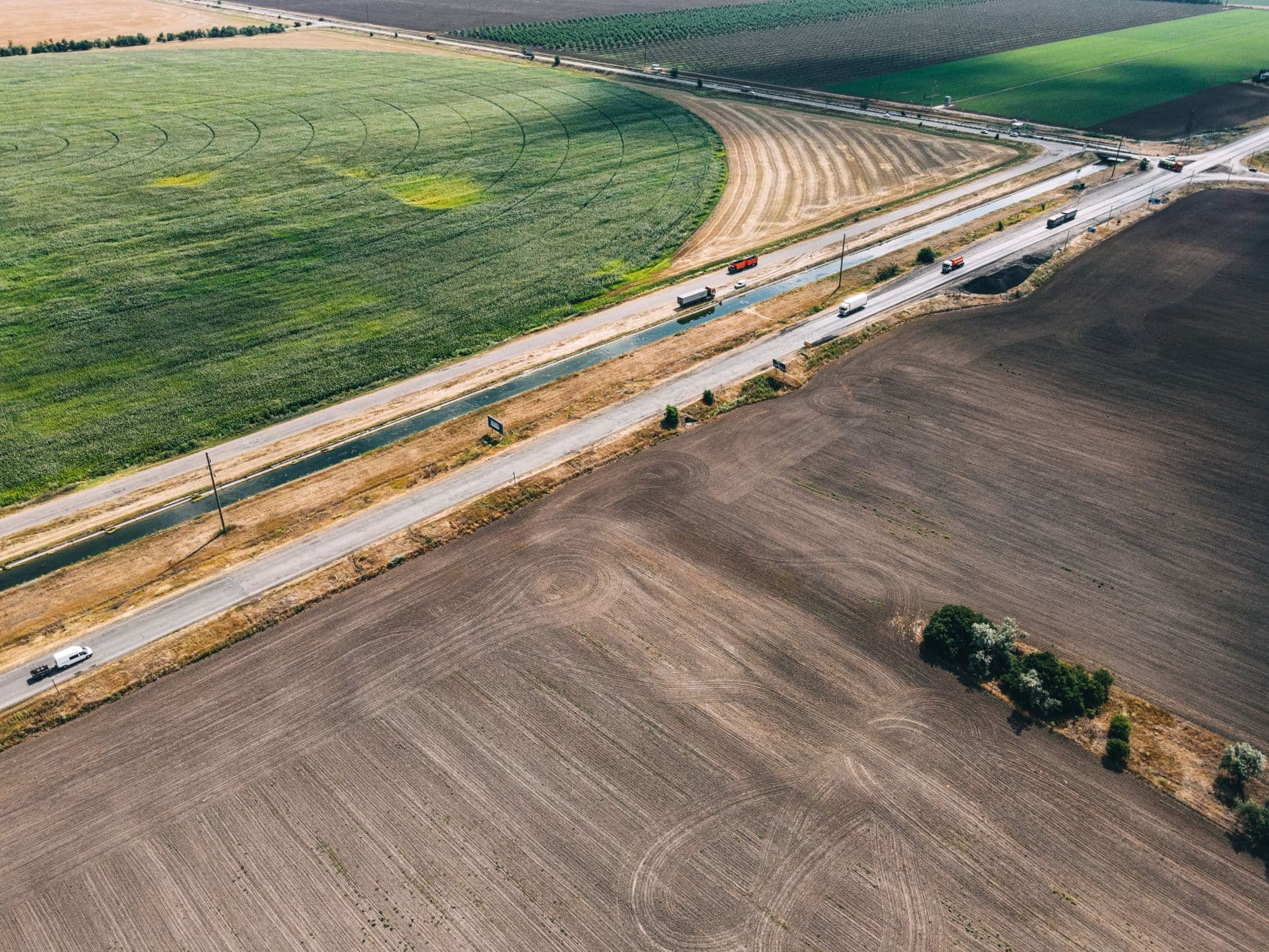
We have spent the last two decades optimizing for efficiency, replacing human oversight with automated systems that can manage thousands of acres from a single dashboard. This transition to precision agriculture was sold as a solution to resource scarcity and climate volatility. However, by tethering our caloric output to unshielded industrial hardware, we have inadvertently created a kill-switch for the food supply. The logic of the PLC is binary; it either works or it doesn't. If an adversary gains the ability to manipulate that logic, the result isn't just a loss of data—it is the physical death of a harvest.
The Fragility of Automated Hydration
The water sector and the agricultural sector are functionally inseparable in the modern economy. In the United States, roughly 80% of all consumptive water use is dedicated to agriculture. This water is not moved by hand or by gravity alone; it is moved by SCADA systems and the PLCs currently being targeted by groups like the CyberAveng3rs. When these controllers are compromised, the ability to regulate water flow vanishes. For a high-intensity almond grove in California or a corn belt operation, forty-eight hours without precisely timed irrigation can result in a total loss of investment.
This is not a theoretical risk. In late 2023, multiple water facilities across the U.S. reported breaches involving Unitronics PLCs, often due to the use of default passwords and direct internet exposure. While these specific attacks focused on small utilities, the underlying hardware is identical to what sits in the pump houses of large-scale commercial farms. The ease with which these systems were bypassed suggests a staggering lack of basic security hygiene in the very systems that sustain our life. We are operating 21st-century food systems on 1990s security protocols.
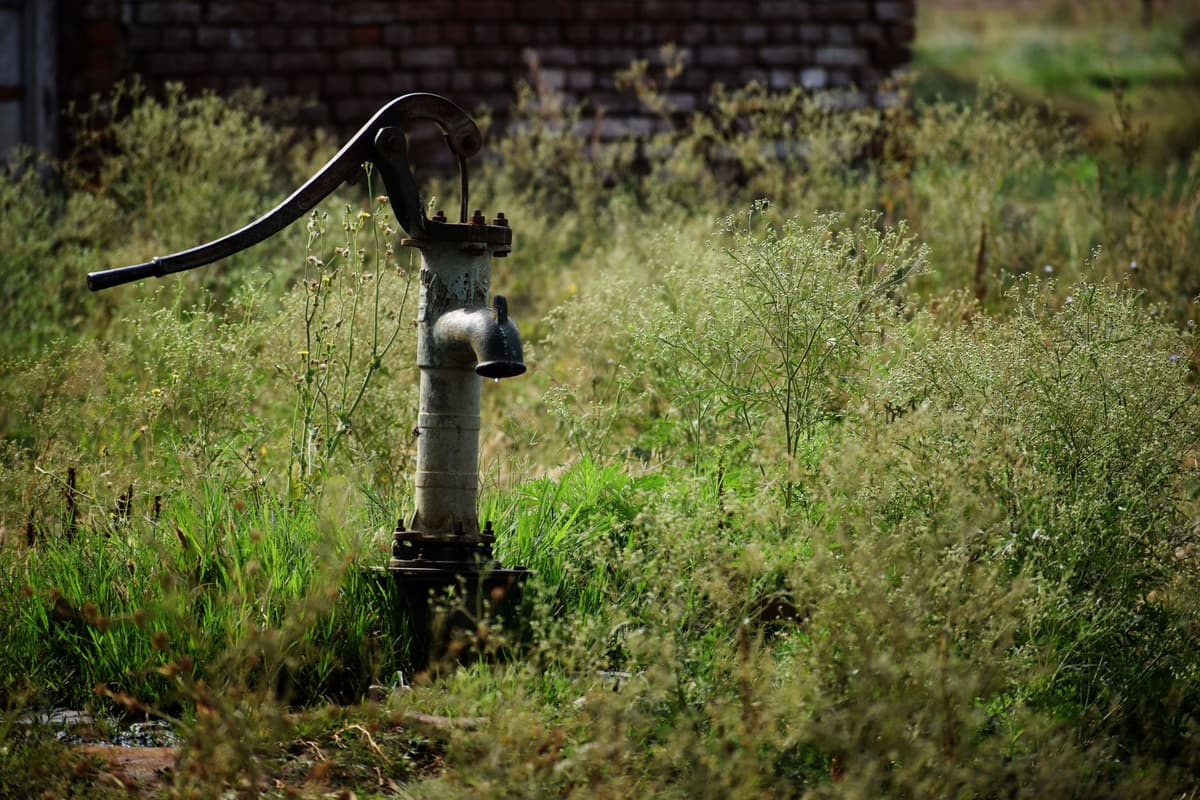
Photo by Saifee Art on Pexels
Geopolitics and the Cyber-Famine Risk
The targeting of agricultural infrastructure represents a shift in the nature of warfare. Traditionally, disrupting a nation's food supply required a naval blockade or the physical destruction of grain elevators. Today, it requires a laptop and a known exploit in an outdated firmware version. State actors now view the agricultural supply chain as a soft target—a way to exert massive domestic pressure on an opponent without firing a single kinetic shot. If you can disrupt the planting or harvest cycle of a major exporter, you don't just hurt that nation; you trigger global price shocks and civil unrest.
We are entering an era of 'cyber-famine,' where the scarcity is not caused by drought or pestilence, but by the intentional manipulation of hardware logic. This is a profound geopolitical chasm. On one side are nations that have automated their survival for the sake of profit and efficiency. On the other are adversaries who recognize that this automation is a centralized point of failure. The more 'smart' our agriculture becomes, the more points of entry we provide for those who wish to see the system fail.
The Illusion of the Air Gap
For years, the agricultural industry comforted itself with the myth of the 'air gap'—the idea that farm equipment was too remote or too specialized to be hacked. That illusion has been shattered by the necessity of the cloud. Modern tractors, irrigation pivots, and silos are all connected to the internet to provide real-time telemetry and remote troubleshooting. This connectivity is the bridge across which these attacks travel. A PLC that was designed to be a standalone worker is now a node on a global network, often without the encryption or firewalls that a standard laptop would possess.
Securing this infrastructure will require a massive, expensive overhaul of how we view industrial hardware. It means moving away from the 'set it and forget it' mentality that has dominated the sector for decades. We cannot continue to treat a water pump controller as a simple mechanical tool. It is a computer, and it must be defended as one. This involves mandatory password complexity, the elimination of default settings, and, crucially, the implementation of manual overrides that cannot be disabled by a remote user.
What This Actually Means
The CISA alert is a wake-up call that the era of 'innocent' automation is over. Food security can no longer be viewed solely through the lens of biology or climate; it must be viewed as a branch of national cybersecurity. If we do not treat the protection of these PLCs with the same urgency we afford to the power grid or financial systems, we are choosing to leave our survival up to the mercy of whoever has the most sophisticated malware.
Investment in agricultural technology has focused almost entirely on yield and very little on resilience. We have built a high-performance engine but neglected to install any armor. As geopolitical tensions rise, the agricultural sector will find itself on the front lines, not because it is a military target, but because it is the most efficient way to break a society. A nation that cannot secure its water cannot secure its future.
True food security in the 21st century will not be measured by bushels per acre, but by the uptime of the controllers that keep those acres hydrated. We are currently failing that metric. The transition from high-tech abundance to systemic collapse is only a few lines of malicious code away.
Quick Answers
Why are water controllers being targeted specifically?
They are often the weakest link in critical infrastructure, using outdated software and default passwords while providing a direct path to disrupting both public health and agricultural production.
Can't farmers just turn the water on manually?
In many large-scale operations, the physical infrastructure is so massive and complex that manual operation is either impossible or too slow to prevent crop death during critical growth windows.
Is this a problem only for the United States?
No, this is a global vulnerability as precision agriculture spreads to Europe, South America, and Asia, often using the same vulnerable PLC hardware across different borders.