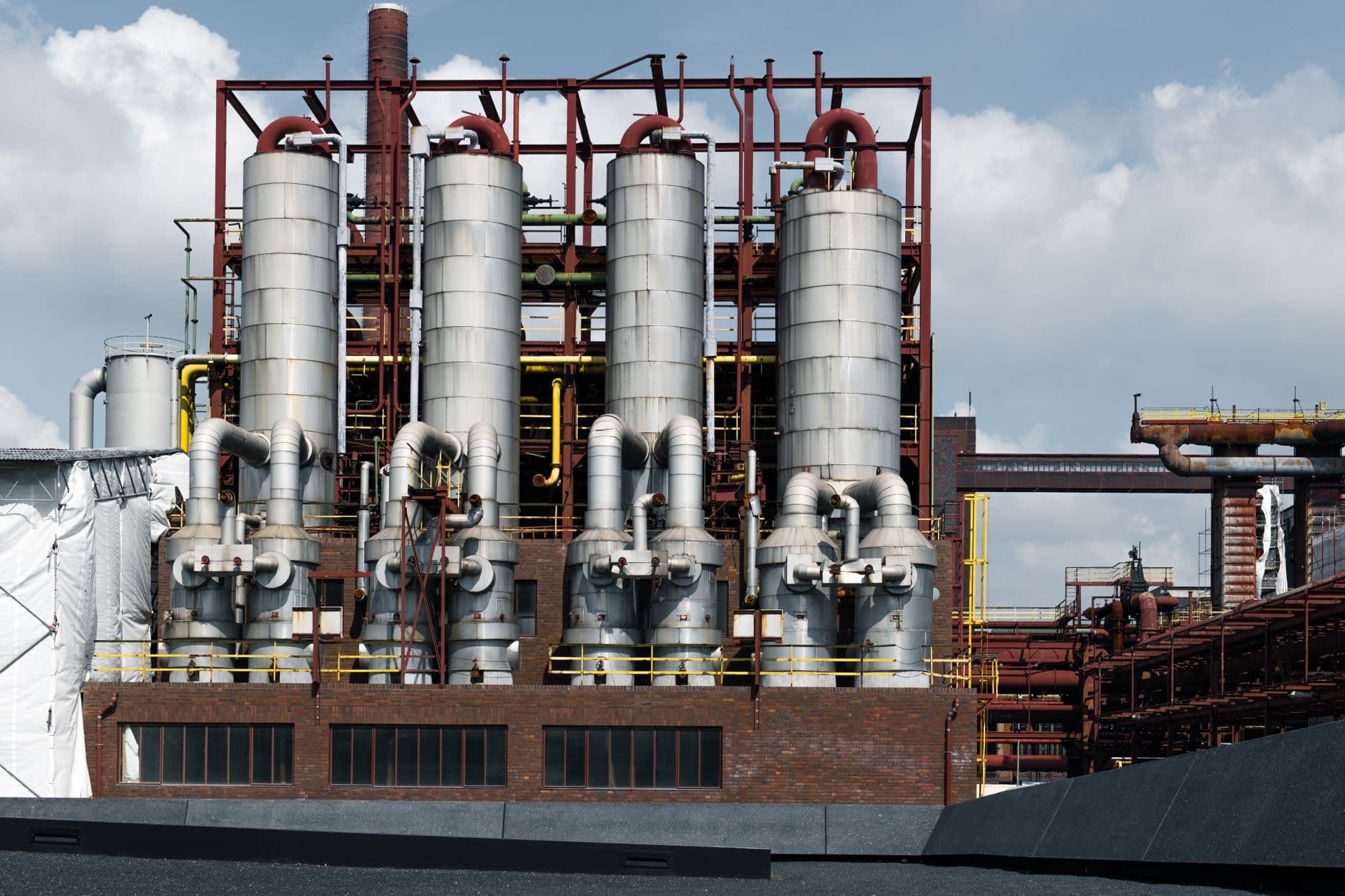
The Earth's Own Giant Oil Tupperware
So, the Strategic Petroleum Reserve (SPR). Sounds serious, right? Like something out of a Tom Clancy novel where bearded men in grey suits are deciding if we’re going to war over a particularly stubborn barrel of crude. And in a way, it is. But the actual engineering behind it? It’s less James Bond and more… well, it’s kind of like the planet itself decided to get creative with Tupperware. Specifically, salt domes.
Imagine you have a particularly messy toddler who loves playing with Play-Doh. Now, imagine this toddler doesn't just squish the Play-Doh, but also somehow makes it incredibly dense, hollows out a section, and then seals it up so perfectly that not even a single crumb of Play-Doh escapes for decades. That’s basically what Mother Nature, and then a bunch of clever engineers, did with salt.
These aren't just random holes in the ground. We're talking about massive underground geological formations, specifically salt domes, that have been around for, like, ages. Millions of years, give or take. These domes are formed when enormous layers of salt, buried deep underground, get squeezed by the weight of everything above them. And when salt gets squeezed under immense pressure for a geological epoch, it does some weird, wonderful things. It flows. It deforms. It basically becomes this incredibly pliable, yet structurally robust, natural container. Think of it as the Earth’s own slightly gooey, but unbelievably strong, cling film.
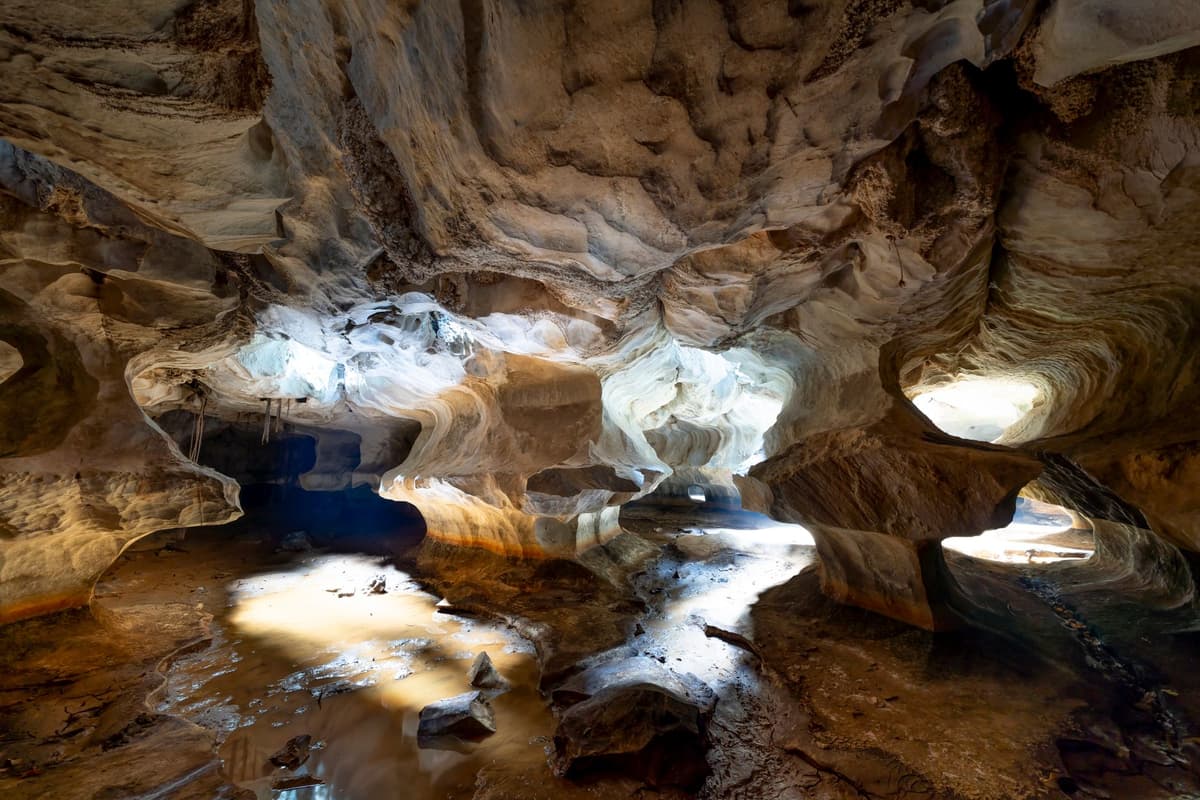
Photo by Quang Nguyen Vinh on Pexels
The 'Self-Sealing' Magic Trick
Here's where it gets really fun. When engineers decided to carve out these caverns to store up to 700 million barrels of oil (that's a lot of dino-juice, folks), they weren't just digging holes and hoping for the best. They were exploiting the inherent properties of salt. Salt, in its natural dome form, is actually quite plastic. This means that if you were to, say, poke a hole in it, the salt would slowly, inexorably, flow back to seal that hole. It's like trying to keep a secret in a family of gossipers – eventually, the truth (or in this case, the salt) just closes in.
This 'self-sealing' property is crucial. It means the SPR caverns are remarkably good at keeping their valuable cargo contained. Unlike a leaky gas tank or a poorly sealed Tupperware that leaves a greasy ring on your counter, these salt caverns are designed by nature (and enhanced by us) to be almost hermetically sealed. It's a geological marvel, a low-tech solution to a high-stakes problem, and frankly, it makes a lot of modern battery technology look like a bunch of over-engineered, temperamental divas.
Imagine trying to build a 700-million-barrel oil storage facility out of, I don't know, LEGOs. You’d be in trouble. The salt, however, just shrugs it off. It's been dealing with tectonic plates shifting and mountains rising for millennia; a few billion gallons of crude oil are a walk in the park. It’s the ultimate passive-aggressive storage solution: "Oh, you need to store this massive amount of volatile liquid underground? Sure, whatever. I’ve got this."
A Geologic Battery That Doesn't Need Charging
This entire system acts as a massive, geological battery. When global oil markets get wobbly – prices shooting up faster than a toddler on a sugar high, or supply chains choked like a clogged drain – the U.S. can tap into the SPR. They can pump that oil out, inject it into the market, and theoretically, calm things down. It's a physical manifestation of a strategic reserve, a literal stash of energy ready to be deployed.
And the best part? It doesn't need to be plugged into a wall. It doesn't have a limited lifespan based on chemical degradation. Its 'charge' is the crude oil itself, and its 'capacity' is dictated by the sheer, mind-boggling volume of these salt caverns. We’re talking about storage facilities that can hold more oil than many countries produce in a year. It’s a geological energy bank, and the interest rate is stability.
Think about all the R&D that goes into making batteries that last longer, charge faster, and don't catch fire. Meanwhile, we've got these giant, underground oil larders that have been quietly doing their job for decades, all thanks to the very specific properties of salt domes. It’s the ultimate 'set it and forget it' energy solution, provided you don't forget it exists. And given the geopolitical volatility that seems to be our constant companion, forgetting it would be, shall we say, less than ideal.
What This Actually Means
So, what's the takeaway from all this underground oil-storage silliness? It's a stark reminder that sometimes, the most robust and effective solutions aren't the flashiest or the most technologically advanced. Nature, in its infinite, often bizarre wisdom, has provided us with an incredible asset.
While we’re busy debating the merits of the latest battery chemistry or the efficiency of solar panels, the U.S. has been sitting on this massive, subterranean energy reservoir that utilizes fundamental geological principles. It’s a testament to understanding and working with the planet's natural processes, rather than just trying to force new ones upon it. It’s like your grandma’s secret recipe for apple pie – old, reliable, and surprisingly effective.
The SPR isn't just a bunch of tanks; it's a sophisticated geological system. It’s a reminder that sometimes, the answer to our complex problems is literally buried right beneath our feet, waiting to be understood and utilized. And honestly, the image of these massive, self-sealing oil bubbles is just too good not to find funny. It’s the planet’s ultimate booger sugar storage.
Quick Answers
What exactly is the Strategic Petroleum Reserve?
It's a U.S. government-owned emergency stockpile of crude oil, stored in underground caverns and tanks, designed to cushion the impact of supply disruptions and stabilize global energy markets.
How is the oil stored?
Primarily in vast caverns leached out of underground salt domes. These salt formations are naturally impermeable and have a plasticity that helps them 'self-seal' minor leaks, making them ideal for long-term storage.
Why salt domes? Aren't there other storage methods?
Salt domes offer unique advantages: immense capacity, natural containment due to salt's properties, and a geological lifespan that far exceeds artificial structures. While some oil is stored in above-ground tanks, the salt caverns hold the vast majority of the SPR's capacity.
Can this 'geological battery' replace modern batteries?
No, the SPR is for crude oil storage and market stabilization, not for powering your phone or electric car. Modern batteries store electricity, a different form of energy with different applications. The SPR is a massive crude oil reserve, not an electrical storage system.