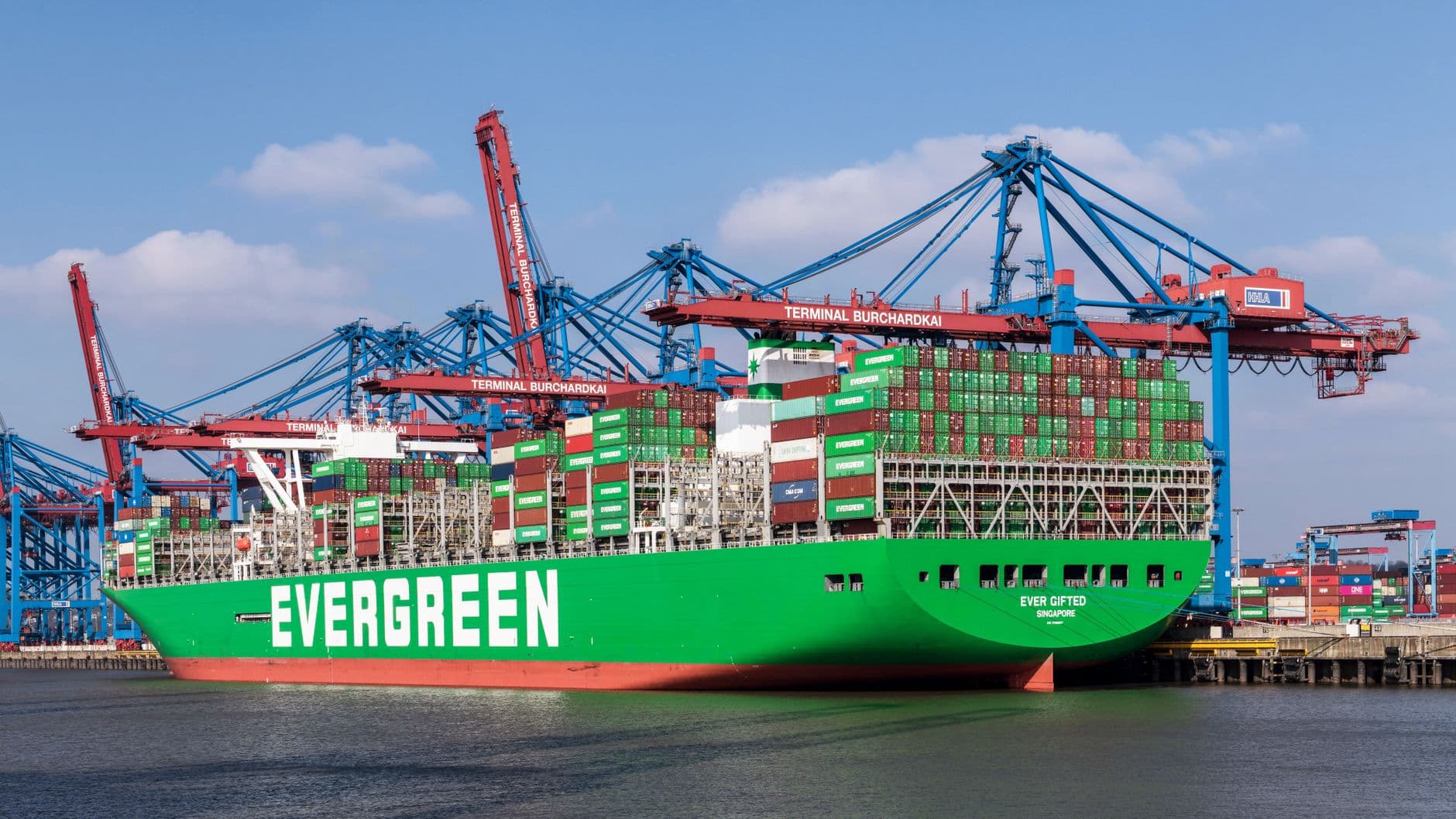
Modern maritime logistics is finally shedding its nineteenth-century obsession with thermal efficiency in favor of the sophisticated fluid dynamics that govern our upper atmosphere. For decades, the shipping industry has been a brute-force endeavor, burning 300 million tons of heavy fuel oil annually to push massive hulls through resisting water. That era is ending not because of a sudden moral awakening, but because we have finally developed the computational capacity to treat the ocean as a predictable gravitational field of energy.
We are no longer just putting sails on ships; we are installing rigid, autonomous airfoils that operate on the same logic as satellite station-keeping. The transition from 'sailing' to 'computational wind-harvesting' represents a fundamental shift in how we perceive planetary movement. It is the application of orbital mechanics to the surface of the sea.
The Down-Scaling of Aerospace Intelligence
The technological backbone of this shift is the 'down-scaling' of autonomous navigation software originally designed for small-satellites (SmallSats). In the thin upper atmosphere, satellites use magnetic torquers and reaction wheels to maintain orientation with extreme precision. On the ocean, ships like the Pyxis Ocean—which recently saved an average of 3 tons of fuel per day using rigid 'WindWings'—are using that same heritage code to calculate the optimal angle of attack against fluid air currents.
This isn't the romanticized seafaring of the past. There are no sailors pulling ropes. Instead, a central processor ingests terabytes of meteorological data, simulating millions of potential pressure differentials every second. The software treats the ship as a kinetic object within a high-pressure system, much like a probe navigating the gravity well of a planet. By treating the atmosphere as a predictable propellant, these vessels reduce their reliance on traditional fuel by up to 30% on specific routes.
Planetary Fluid Dynamics as Propellant
To understand the magnitude of this change, one must view the Earth’s wind patterns through the lens of planetary fluid dynamics. The trade winds are not just weather; they are a permanent, renewable energy infrastructure that has been neglected since the advent of the steam engine. By utilizing computational modeling, shipping firms are now able to map 'corridors' of high-velocity air with the same accuracy that NASA uses to map Lagrange points.
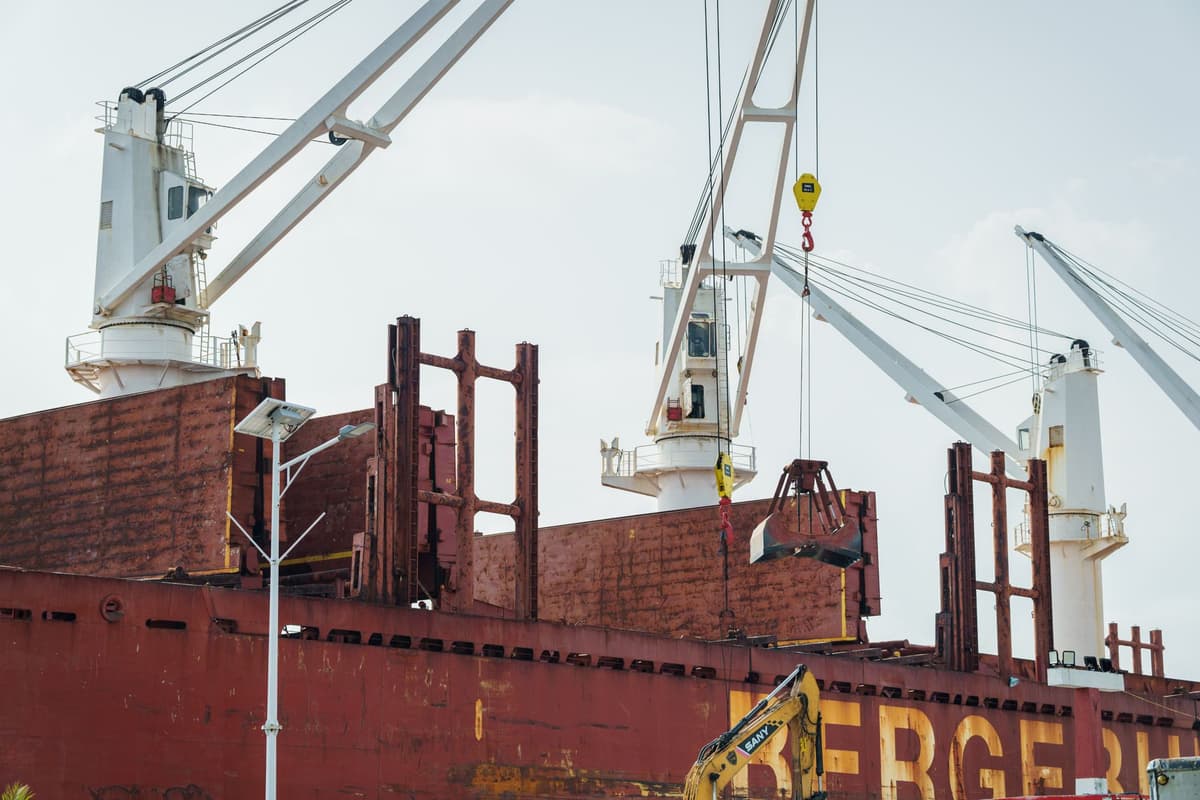
Photo by Nothing Ahead on Pexels
The financial implications are staggering when scaled to the 50,000-plus vessels in the global merchant fleet. A single large bulk carrier can burn $25,000 worth of fuel in twenty-four hours. When the wind provides even a fraction of that thrust through automated wing-sails, the return on investment becomes a matter of physics rather than market speculation. We are seeing the commodification of the atmosphere as a logistical asset.
The Merchant Fleet as a Slow-Moving Constellation
When you zoom out, the global shipping lanes are beginning to resemble a low-altitude constellation. These ships are increasingly interconnected, sharing real-time atmospheric data to optimize the 'fleet-wide' harvest of wind energy. If one vessel encounters a pocket of high-density air, that data is instantly fed back into the routing algorithms of every other ship in the company’s network.
This creates a feedback loop of efficiency that was previously impossible. The ocean is no longer a void to be crossed with raw power; it is a complex, data-rich environment where the most successful players are those who can best predict and exploit the movement of air. This is a total departure from the 'point-to-point' mindset of traditional logistics. It is a transition toward a holistic, system-wide management of kinetic energy across the globe.
What This Actually Means
The return to wind power is not a regression; it is a sophisticated integration of two seemingly disparate fields: ancient maritime wisdom and cutting-edge aerospace engineering. We have reached a point where the cost of computing the wind is lower than the cost of burning the oil. That is the tipping point that will move the needle on global emissions more effectively than any international treaty or carbon tax ever could.
By treating our oceans as a laboratory for orbital-style navigation, we are essentially turning the planet’s natural cycles into a synchronized engine. This is the ultimate expression of human ingenuity—recognizing that the most advanced solution to our energy crisis was swirling above our heads the entire time, waiting for us to develop the math required to catch it.
Quick Answers
Is this just a return to old sailing ships?
No, these are rigid, computer-controlled airfoils that require zero manual labor and use aerospace algorithms to maximize thrust in real-time.
How much fuel does this actually save?
Early trials on large cargo vessels have demonstrated fuel savings between 20% and 30%, depending on the route and wind conditions.
Can these ships move without wind?
Yes, they remain hybrid vessels. The sails supplement the engines, allowing the ship to maintain schedule even when the air is still.


