The Illusion of Permanent Growth
For decades, California wine country has operated under the assumption that demand for premium Cabernet and Chardonnay was an infinite upward curve. That illusion has shattered. In 2023, California wine shipments dropped by nearly 9%, marking the lowest volume since 2002. This isn't a minor market correction; it is a fundamental shift in how the world consumes—or refuses to consume—alcohol. When you combine a generation of 'sober-curious' youth with a massive oversupply of grapes, you don't get a dip. You get a structural failure.
The crisis is most visible in the Central Valley and the foothills, where thousands of acres of vines are being ripped out because the cost of maintaining them exceeds the price of the harvest. We are witnessing the end of the 'monoculture trap,' a strategy where farmers tethered their entire livelihood to a luxury product that requires immense capital and even more water. Now, the capital is fleeing and the water is disappearing.
The High Cost of the Monoculture Trap
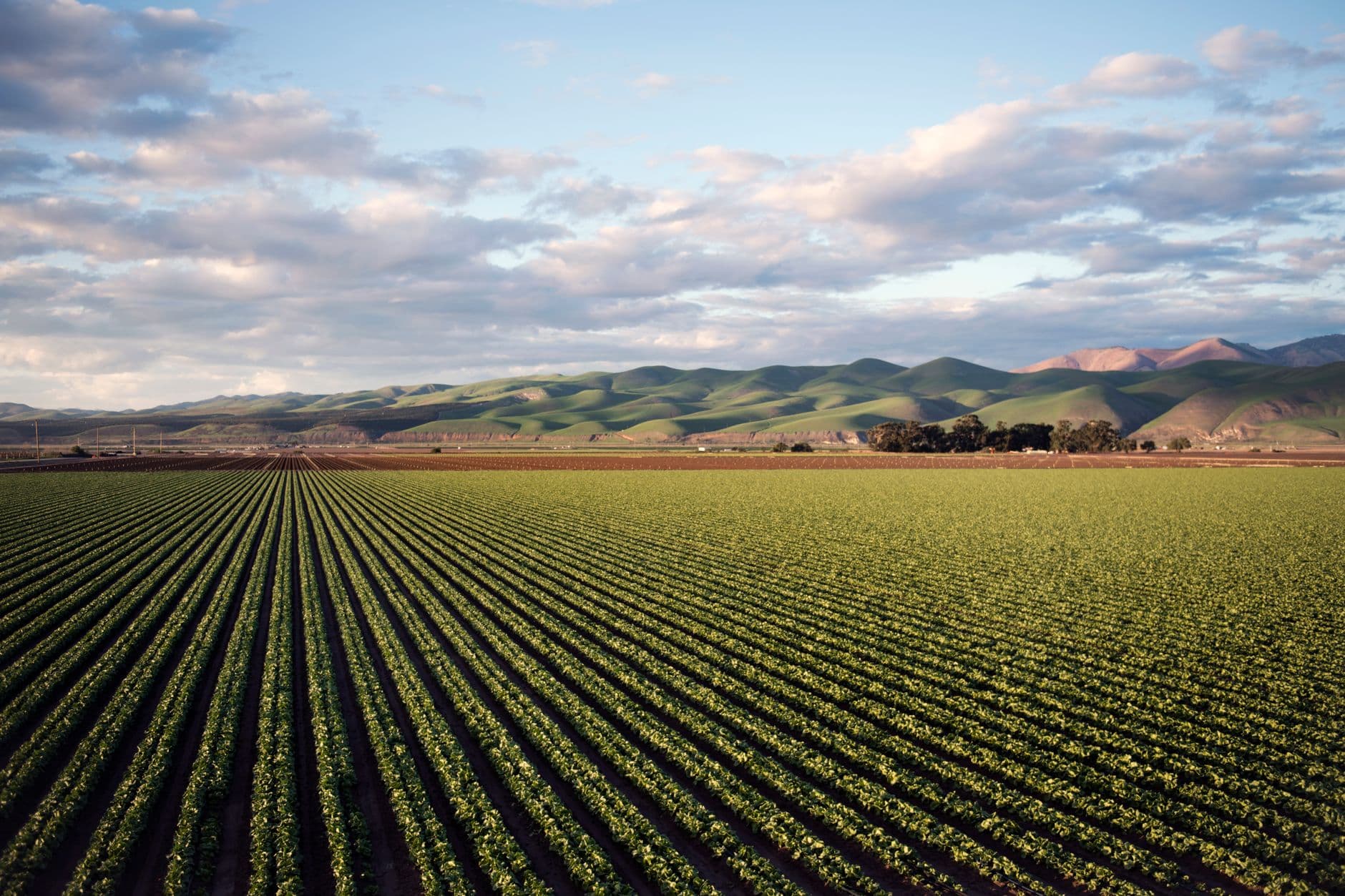
Industrial viticulture is a fragile system. By dedicating 615,000 acres of California land almost exclusively to wine grapes, we created a landscape that is ecologically brittle and economically vulnerable. Monocultures are efficient in the short term, but they lack the resilience to survive a changing climate. When a heatwave hits or a new pest emerges, there is no secondary crop to soften the blow. The farmer is left with a field of dying assets and no liquid capital.
Irrigation-heavy farming in a state defined by drought was always a gamble. We have spent a century engineering the plumbing of the West to support green vines in golden hills, but the bill is finally coming due. As groundwater regulations like the Sustainable Groundwater Management Act (SGMA) begin to bite, the reality is clear: hundreds of thousands of acres of farmland will have to be fallowed. The wine industry, long the golden child of California ag, is no longer exempt from the math of survival.
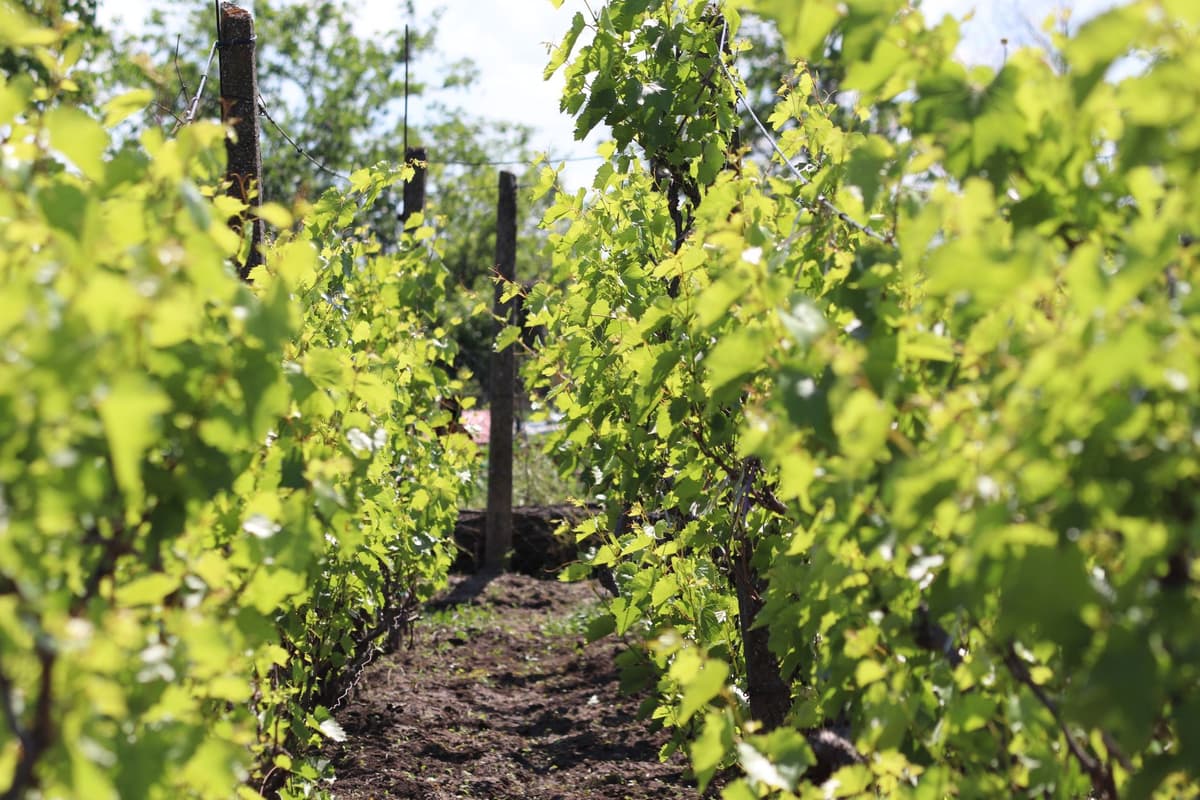
Photo by Fotografia Lui Vlad on Pexels
Toward a Climate-Resilient Polyculture
The path forward requires a radical deconstruction of the vineyard. We are seeing the early adopters move toward 'dry-farming'—a technique that relies on residual soil moisture rather than supplemental irrigation. It produces lower yields, but the fruit is more concentrated and the environmental footprint is significantly smaller. However, dry-farming alone won't save the regional economy. The real shift must be toward polyculture: integrating livestock, cover crops, and diverse fruit and nut trees into the vineyard landscape.
This isn't just about environmentalism; it’s about risk management. A farmer who grows grapes, olives, and small grains is less likely to go bankrupt when the wine market craters. By diversifying the biology of the land, we also improve soil health and water retention. We have to stop treating the farm as a factory for a single luxury commodity and start treating it as a complex biological system that must provide value even when the global elite decide they'd rather drink sparkling water than a $75 bottle of red.
The Economic Necessity of Transition
Transitioning away from the vineyard monoculture is an expensive, grueling process. Removing an established vineyard can cost upwards of $3,000 per acre, and planting a new, diversified system takes years to reach profitability. The state and federal governments need to stop subsidizing the status quo and start funding the transition to dry-farming and regenerative polyculture. If we don't, we aren't just losing a luxury industry; we are losing the topsoil and the economic backbone of entire rural counties.
We must also acknowledge the labor implications. The wine industry relies on a massive seasonal workforce. A shift toward more automated or less labor-intensive dry-farming and diverse cropping will change the social fabric of these communities. We need a strategy that doesn't just save the land, but supports the people who have spent generations tending it. The luxury wine era was a gold rush, and like all gold rushes, it eventually runs out of ore.
What This Actually Means
The collapse of the California grape market is a warning shot for all of high-value agriculture. It proves that no matter how much brand equity you build, you cannot outrun the twin pressures of ecological limits and shifting human behavior. The vineyards of the future will not look like the pristine, manicured rows of today. They will be messier, more diverse, and significantly more resilient.
We are moving from an era of extraction to an era of adaptation. The farmers who survive will be those who stop fighting the landscape and start working within its constraints. This is the end of the vineyard as we know it, and honestly, it’s a transformation that is decades overdue. The aesthetic of the Napa valley might change, but the survival of California's food system depends on it.
Quick Answers
Why is wine demand falling so sharply?
A combination of health-conscious younger generations, increased competition from other beverages, and an aging core demographic of traditional wine drinkers has created a perfect storm of declining consumption.
What is dry-farming?
It is an agricultural practice that relies solely on rainfall stored in the soil during the winter, rather than using irrigation during the growing season, forcing vines to grow deeper roots.
Is the 'monoculture trap' unique to wine?
No, it applies to any region that relies too heavily on a single crop, such as almonds or citrus, making the entire local economy vulnerable to specific market or environmental shocks.