The Great Sobriety Heist
We finally did it. We broke the farmers. For decades, the deal was simple: California grows the grapes, we buy the bottles to pretend we understand 'tannins,' and everyone ignores the fact that fermented fruit juice is just fancy rot. But the vibe shift has hit the Central Valley like a cold bucket of O'Doul's. Wine consumption is cratering because the youth have decided that being 'present' and 'hydrated' is more fun than crying over a $90 Cabernet while eating a block of cheddar in the dark.
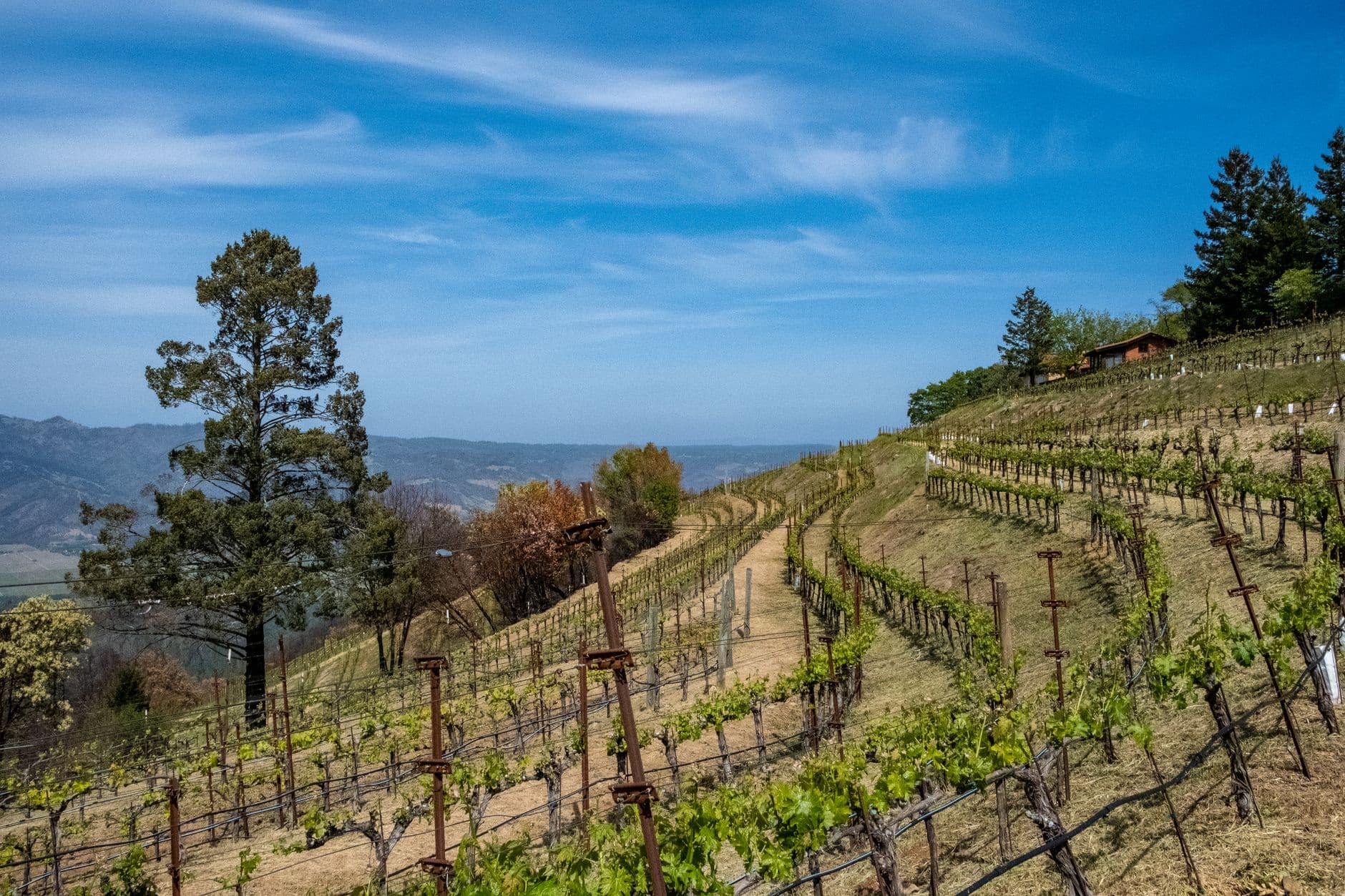
It’s a structural disaster. We aren't talking about a bad vintage or a weird weather pattern. We are talking about 400,000 acres of wine grapes in California realizing they are the agricultural equivalent of a Blackberry phone in 2009. The 'sober-curious' movement isn't just a TikTok trend involving expensive flavored seltzer; it’s a wrecking ball swinging toward the heritage vineyards of Napa and Sonoma. Farmers are literally pulling vines out of the ground with tractors, probably while whispering, 'I should have planted almonds.'
From Pinot Noir to Carbon Sinks
What do you do with a million tons of grapes that nobody wants to ferment? You can’t just turn them into raisins; the world only has so much capacity for wrinkled sun-shrivelled sadness. Instead, the big pivot is moving toward 'industrial-scale alternative crops.' That is a fancy way of saying we are replacing the romance of the vineyard with the raw, erotic power of alfalfa and garbanzo beans. Imagine a luxury wine tour where instead of sipping a Reserve Merlot, you stand in a hot field and stare at a massive patch of carbon sequestration grass meant to offset a tech bro’s private jet emissions.
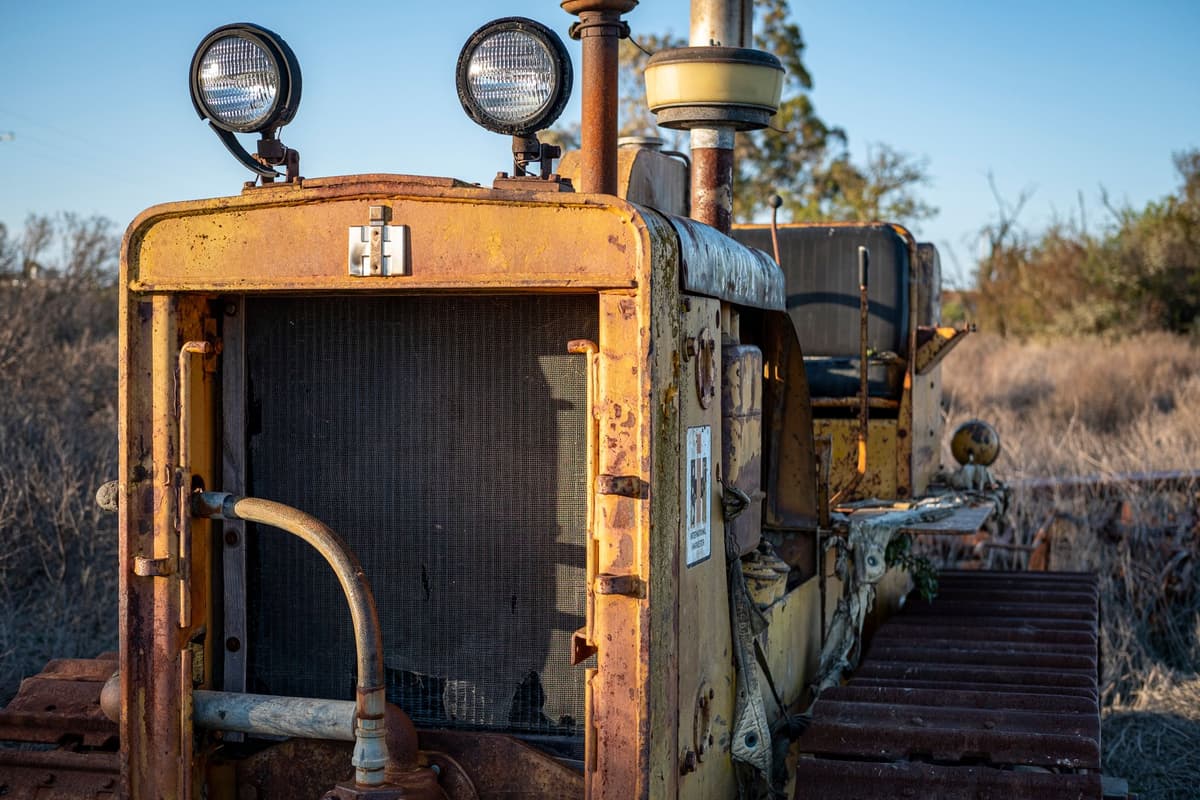
Photo by David McElwee on Pexels
This is the Great Viticulture Pivot, and it's about as graceful as a giraffe on rollerblades. High-end agricultural land is being devalued because its primary output—liquid courage—is losing its market share to 'functional beverages' that taste like a battery had a dream about a lemon. Land prices are dropping faster than a drunk uncle at a wedding. If you’ve ever wanted to own a piece of California history to grow giant piles of switchgrass for carbon credits, now is your time to shine.
The Economics of Not Being Hungover
Let’s look at the cold, sober math. In 2023, wine shipments in the U.S. dropped nearly 9%, and the forecast for 2024 looks like a hangover that won't quit. When demand falls that hard, the 'prestige' of the land evaporates. You can’t charge $50,000 an acre for land that produces a product people are actively avoiding so they can wake up at 5:00 AM for hot yoga. The valuation of these vineyards was built on the myth of eternal growth, but it turns out the only thing growing now is the sales of $8 cans of hop-infused water.
- Gen Z is drinking 20% less than Millennials did at their age, mostly because they'd rather be perceived as 'aesthetic' than 'vomiting in an Uber.'
- The inventory glut means there are literal lakes of unsold wine sitting in tanks, waiting for a miracle or a very large party that will never happen.
- Carbon sequestration pays the bills, but you can't put a label on a ton of captured CO2 and sell it to a tourist for a 400% markup.
The transition is brutal. Transforming a vineyard into an industrial hemp farm or a solar array isn't just a crop change; it’s a cultural lobotomy. We are trading the 'notes of tobacco and leather' for the 'notes of tax incentives and corporate ESG mandates.' It’s hard to feel poetic about a field of chickpeas, no matter how much sunset lighting you use.
What This Actually Means
This isn't just a story about farmers losing money; it’s the end of an era where we subsidized our social lives through the systematic overproduction of booze. The California landscape is being physically reshaped by our sudden, collective urge to remember what we did on Friday night. We are watching the literal deconstruction of a luxury myth, one uprooted vine at a time.
Eventually, the hills of Napa will be covered in giant fans sucking carbon out of the air and vast plains of protein-rich legumes. It’s objectively better for the planet and our collective livers, but it’s going to make for a very boring road trip. We’re trading the 'Wine Country' aesthetic for 'The Global Supply Chain' aesthetic. Enjoy your chickpeas, everyone. They’re much harder to get a buzz from, but at least your insurance premiums might go down.
Quick Answers
Why can't they just make more grape juice?
Because the market for grape juice is mostly toddlers, and they don't have the disposable income to sustain a multi-billion dollar agricultural land market.
Is the wine industry actually dying?
It’s not dying, but it’s definitely checking into rehab and selling its fancy car to pay for a more sustainable lifestyle involving beans.
What happens to the luxury vineyard land?
It gets sold to investment firms who will use it to grow boring stuff that captures carbon or feeds livestock, because cows don't care about 'sober-curiosity.'
Should I buy a vineyard now?
Only if you have a burning passion for industrial-scale lentil farming and a high tolerance for the sound of silence where the tasting rooms used to be.