We have spent decades treating urban wildlife as fragile ecological baggage to be buffered by green strips and glass decals. Recent research on avian spatial cognition destroys that paternalistic model entirely. Animals do not simply endure our infrastructure; they calculate it, test its tolerances, and make deliberate spatial judgments about where their physical bodies can go.
A study published in late 2022 by researchers at the University of Veterinary Medicine Vienna proved that Goffin's cockatoos possess explicit body awareness. When presented with openings of varying apertures, the birds did not blindly wedge themselves forward. They visually assessed the gap, compared it to their own body width and feather span, and calculated whether passage was possible before making a move. When carrying objects, they adjusted the orientation of tools to maneuver them through restrictive geometric spaces. This is not instinct. It is geometric problem-solving, kinetic reasoning, and physical agency operating at a level human architects routinely fail to extend beyond our own species.
The Failure of the Passive Buffer
For roughly a half-century, sustainable architecture has defined its duty to non-human species through exclusion and passive preservation. We install netting to prevent nesting. We print ultraviolet patterns on curtain walls to prevent fatal collisions. We designate isolated corridors of turf and call them biodiversity corridors. Every single one of these interventions is framed through the lens of protection or prevention, assuming the animal is an unwitting, passive casualty of human spatial dominance.
That posture is no longer scientifically defensible. In cities across Australia, Goffin's cockatoos have systematically learned to flip the heavy lids of municipal brick-weighted waste bins, a behavior documented across 44 distinct suburbs by early 2023. They adapt to modified human deterrents within weeks. They treat urban obstacles not as existential barriers, but as physical puzzles with mechanical solutions.
When we design modern environments exclusively as defensive enclosures, we fail twice. We fail to keep out species that possess the cognitive machinery to bypass crude deterrents, and we starve those same species of the spatial complexity they require to thrive within rapidly urbanizing territories.
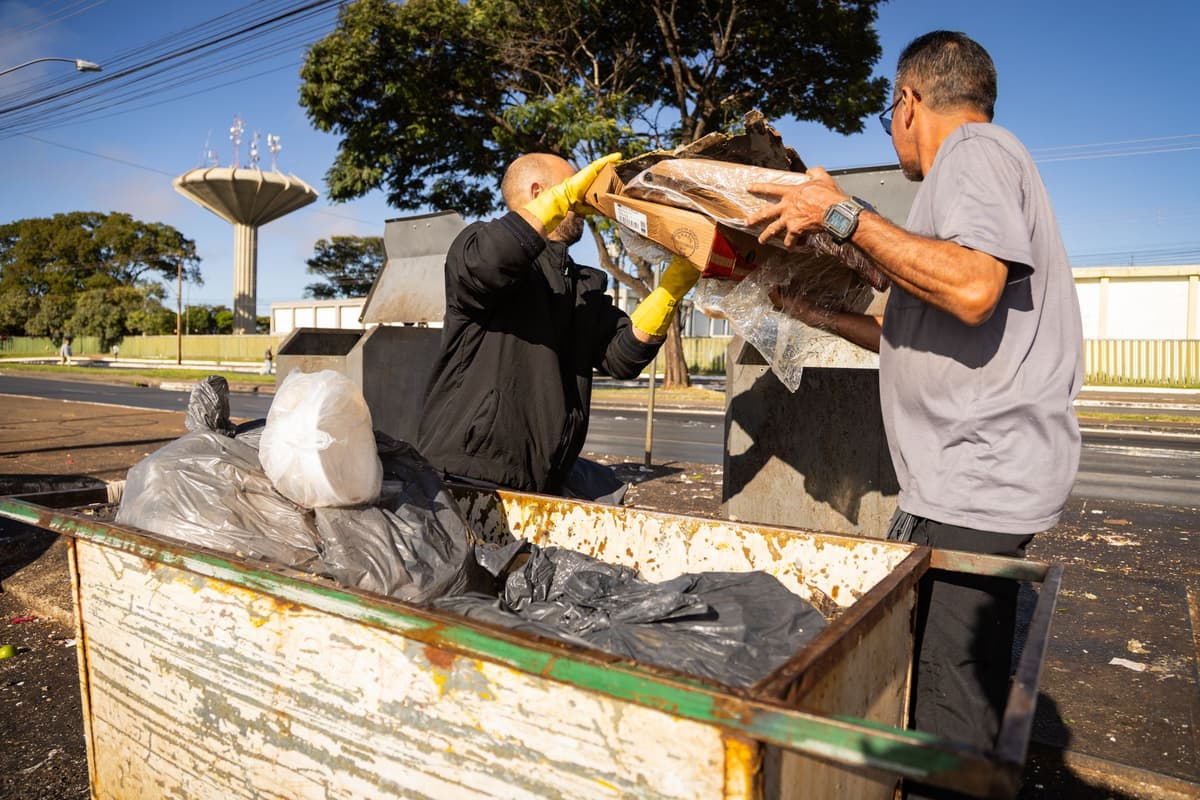
Photo by Guilherme Pedrosa on Pexels
Toward Interspecies Geometry
Recognizing body awareness in non-human minds forces architecture to pivot toward actual interspecies spatial planning. This goes far beyond planting native shrubs on balconies. It requires structural engineers and zoning commissions to calculate building envelopes using multiple sets of physiological and cognitive constraints.
True animal-inclusive design operates on three concrete principles:
- Calibrated Volumetric Thresholds: Incorporating non-human access ports, micro-cavities, and structural breezeways calibrated to the specific body dimensions and turning radii of local fauna, while deliberately excluding invasive competitors.
- Cognitive Enrichment as Public Infrastructure: Replacing flat, monotonous facade systems with varied tactile, structural, and kinetic surfaces that allow intelligent species to forage, shelter, and interact with the physical environment rather than slide off it.
- Dual-Use Mechanical Integration: Integrating natural ventilation, stormwater collection, and shading elements with multi-species passage zones, transforming mechanical engineering costs into functional ecological niches.
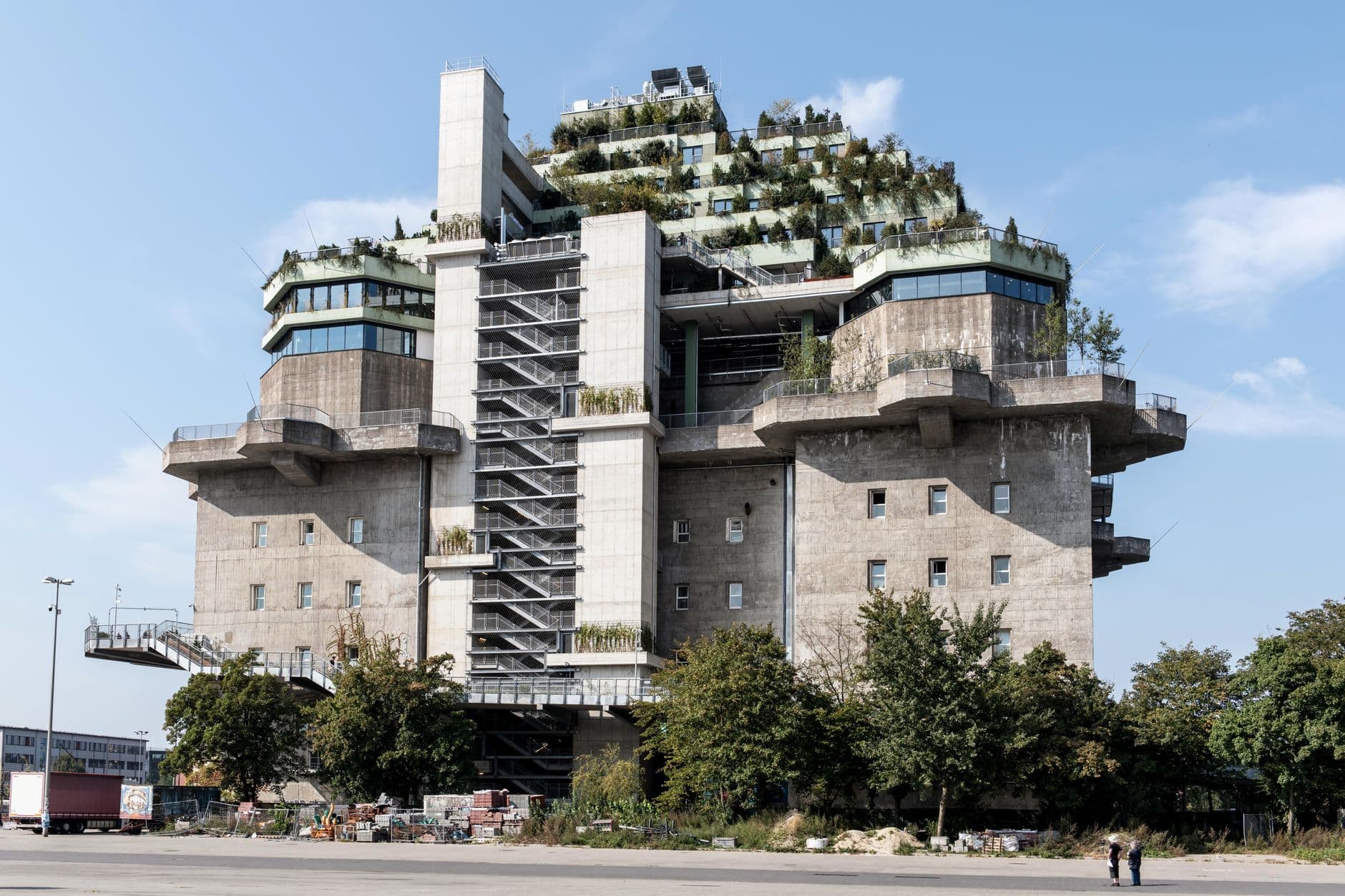
Consider the scale of global urban expansion. By 2050, the United Nations projects that 68% of the world's population will live in urban centers, requiring an estimated 2.4 trillion square feet of new floor area worldwide. If that built mass remains designed exclusively for a single bipedal ape, we guarantee mass cognitive and physical displacement of regional wildlife. If, however, facade systems and structural joints incorporate intentional, multi-species spatial metrics, the built footprint transforms from a biological desert into a functional, highly layered vertical biome.
Agency Over Custodianship
Conservation discourse tends toward the sentimental. We speak of stewarding nature, an idiom that inevitably places human designers in the role of benevolent masters dispensing charity to helpless dependents. It is an arrogant framework, and it produces fragile results.
Goffin's cockatoos do not need our stewardship. They need structural honesty. They require environments that respect their cognitive capacity to read mass, volume, and void. When an animal understands the relationship between its physical boundaries and an architectural threshold, it operates as an active stakeholder in the built environment.
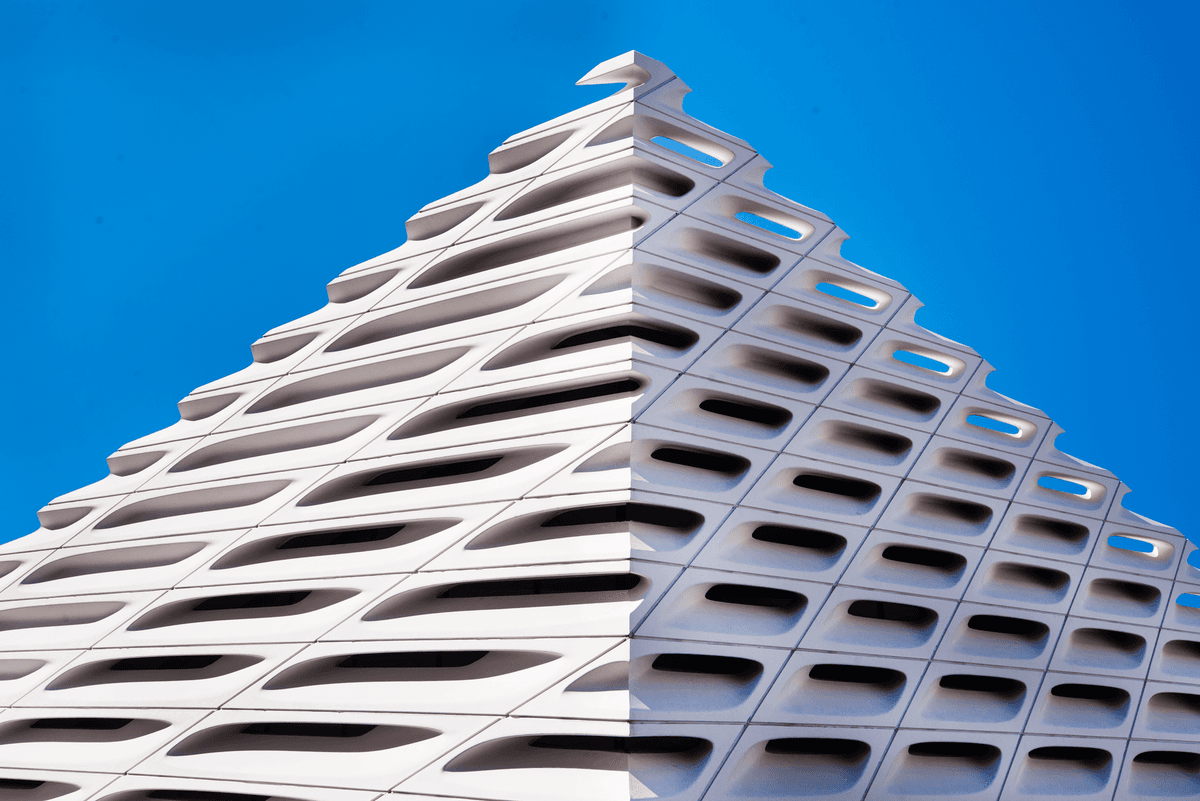
Photo by Jeff Seven on Pexels
This shift demands an immediate overhaul of building codes. Just as we mandate minimum turning radiuses for wheelchairs and specific staircase rises for human ergonomics, sustainable frameworks like LEED and BREEAM must evolve beyond broad ecological land-use points. They must begin penalizing cognitive monotony and structural hostility, enforcing multi-species ergonomic thresholds on high-density residential and commercial towers.
What This Actually Means
The discovery of avian self-dimensioning exposes our cities for what they currently are: unimaginative, single-species monologues rendered in concrete and steel. We have treated the concrete jungle as a metaphor, ignoring that it is an artificial geological stratum colonized by minds vastly different from our own.
Designing cities that accommodate avian spatial intelligence is not a gesture of ecological benevolence. It is a baseline acknowledgment of reality. Wildlife is already occupying the built environment, running calculations against our walls, doors, and ledges every second of the day.
We can continue spending billions patching over hostile architecture with defensive netting and reactionary deterrents. Or we can accept that the animals walking our ledges are reading our blueprints with critical eyes, and start building spaces complex enough to house them.
Quick Answers
What specific ability did the Goffin's cockatoo study demonstrate?
The Vienna study proved Goffin's cockatoos possess body awareness and spatial self-dimensioning. They visually estimate the size of an opening against their own body dimensions and the orientation of tools they carry, deliberately avoiding gaps they cannot fit through.
Does this mean cities should invite all wildlife inside buildings?
No. Interspecies architecture is about controlled, deliberate spatial programming. It creates intentional external niches, pathways, and complex facade volumes for native wildlife without breaching the interior thermal and sanitary boundaries required for human habitation.
How does this differ from traditional biophilic design?
Biophilic design typically uses plants and natural materials to reduce human stress. Cognitively informed interspecies design focuses directly on non-human spatial needs, creating structural volumes, puzzles, and functional passages calibrated to the kinetic intelligence of regional animal species.