A Monument To Bad Decisions
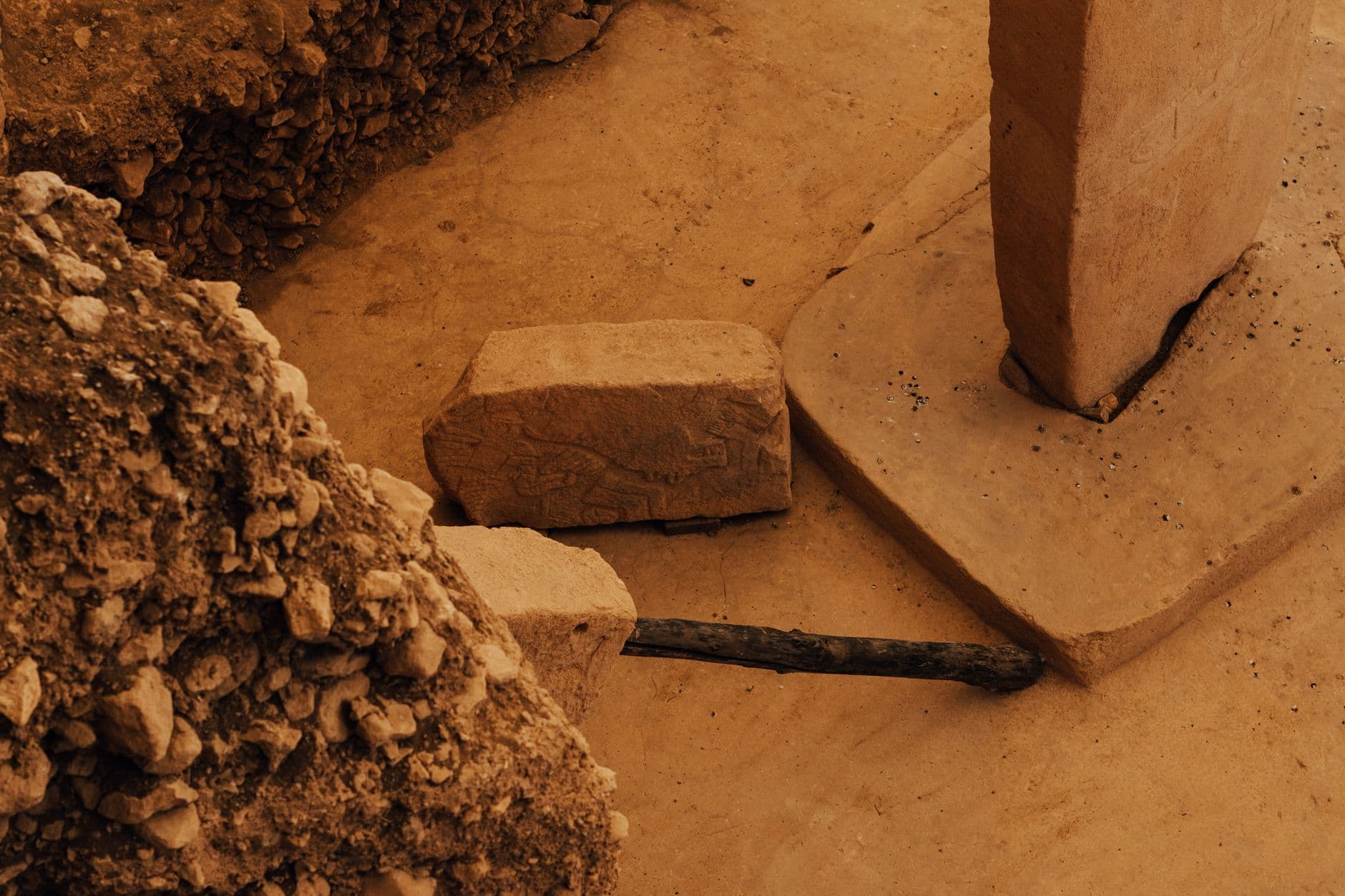
Humans have always had a flair for the dramatic, and 12,000 years ago at Göbeklitepe, that drama involved hauling massive limestone pillars into circles while simultaneously inviting every local pathogen to a permanent buffet. We used to think that the transition from roaming around to staying put was a slow, majestic climb toward civilization. It turns out it was more of a desperate, crowded mosh pit where the first thing we shared wasn't culture, but tuberculosis and zoonotic parasites.
The recent bio-archaeological analysis of these processed and scattered human remains reveals a charming reality. These people weren't just building the world's first temple; they were conducting a massive, unconsented experiment in how many diseases a human can host before their bones literally start falling apart. We’ve found the 'evolutionary laboratory' of our dreams, and it looks like a pile of discarded femurs and skull fragments covered in signs of chronic infection.
The Ritual Of Spreading Germs
There is something deeply moving about the fact that prehistoric humans prioritized ritual congregation over not dying of a horrific cough. The 'scattered' nature of these remains suggests that these people were living in close quarters with their dead, or at least with the processed bits of them. It’s the ultimate commitment to the bit. You want to build a megalith? Great. You also have to accept that your neighbor's respiratory droplets are now your primary social currency.
- The remains show clear signs of paleopathological stress, meaning these people were sick, all the time, forever.
- 'Processing' bones usually means someone was scraping, cutting, or displaying them, ensuring that if the disease didn't kill you while the person was alive, it had a second chance during the funeral.
- This occurred before the invention of agriculture, proving that we didn't need farming to be miserable; we just needed to stop moving.
We used to blame the cows and the pigs for our plagues. We thought the Neolithic Revolution was the start of our medical downfall. But Göbeklitepe pushes that timeline back, showing that we were perfectly capable of incubating nightmares just by hanging out in the same spot for too long. We invented the 'high-density living' aesthetic before we had the immune system to pull it off.
Evolution Hates A Crowd
Natural selection is a slow process, but pathogens are remarkably efficient at multitasking. While our ancestors were busy carving intricate vultures into T-shaped pillars, the bacteria were busy carving intricate pathways through their lungs. The analysis shows that these early settlers were essentially walking biological hazards. Their immune systems were calibrated for the wide-open spaces of the Paleolithic, but their social ambitions were strictly urban.
Photo by Nothing Ahead on Pexels
This gap between our social desires and our biological reality is where the magic happened. By congregating at these sites, we forced a rapid co-evolution with pathogens. We basically bullied our own DNA into upgrading to a 'vaguely resistant to filth' version through the brutal method of letting everyone who couldn't handle it die in the dirt. It’s not exactly the heroic origin story we were promised in history class, but it is certainly more on-brand for our species.
What This Actually Means
Göbeklitepe isn't just a triumph of early architecture; it's a monument to our historic refusal to listen to our bodies. We are the only species that looks at a thriving, dangerous ecosystem of new pathogens and thinks, "This would be a great place to build a permanent stone circle and hang out for three centuries." The scattered bones tell a story of people who were falling apart at the seams but kept showing up to the party anyway.
We didn't stumble into disease because we started farming wheat; we chased it down because we couldn't stand to be alone. We traded the safety of the nomadic life for the prestige of a fixed address and a chronic case of prehistoric flu. It turns out that 'civilization' is just the name we gave to the survivors of a 12,000-year-old biological hazing ritual.
If you're looking for a silver lining, at least we know that our tendency to ignore public health warnings in favor of social gatherings is deeply rooted in our heritage. We've been doing this since the Ice Age ended. We didn't learn then, and judging by the state of things, we aren't planning on learning now.
Quick Answers
Did these people know they were making themselves sick?
Unlikely, as germ theory was still about 11,800 years away, so they probably just blamed the vultures or a very specific angry rock.
Why are the bones 'scattered' and 'processed'?
It suggests complex secondary burial rites, which is a fancy way of saying they spent a lot of time touching and moving infected remains for religious reasons.
Is this the earliest evidence of urban-style disease?
Yes, it effectively moves the 'start date' for human-pathogen co-evolution back by millennia, proving we were petri dishes long before we were farmers.