The Paper That Outlived the Pixel
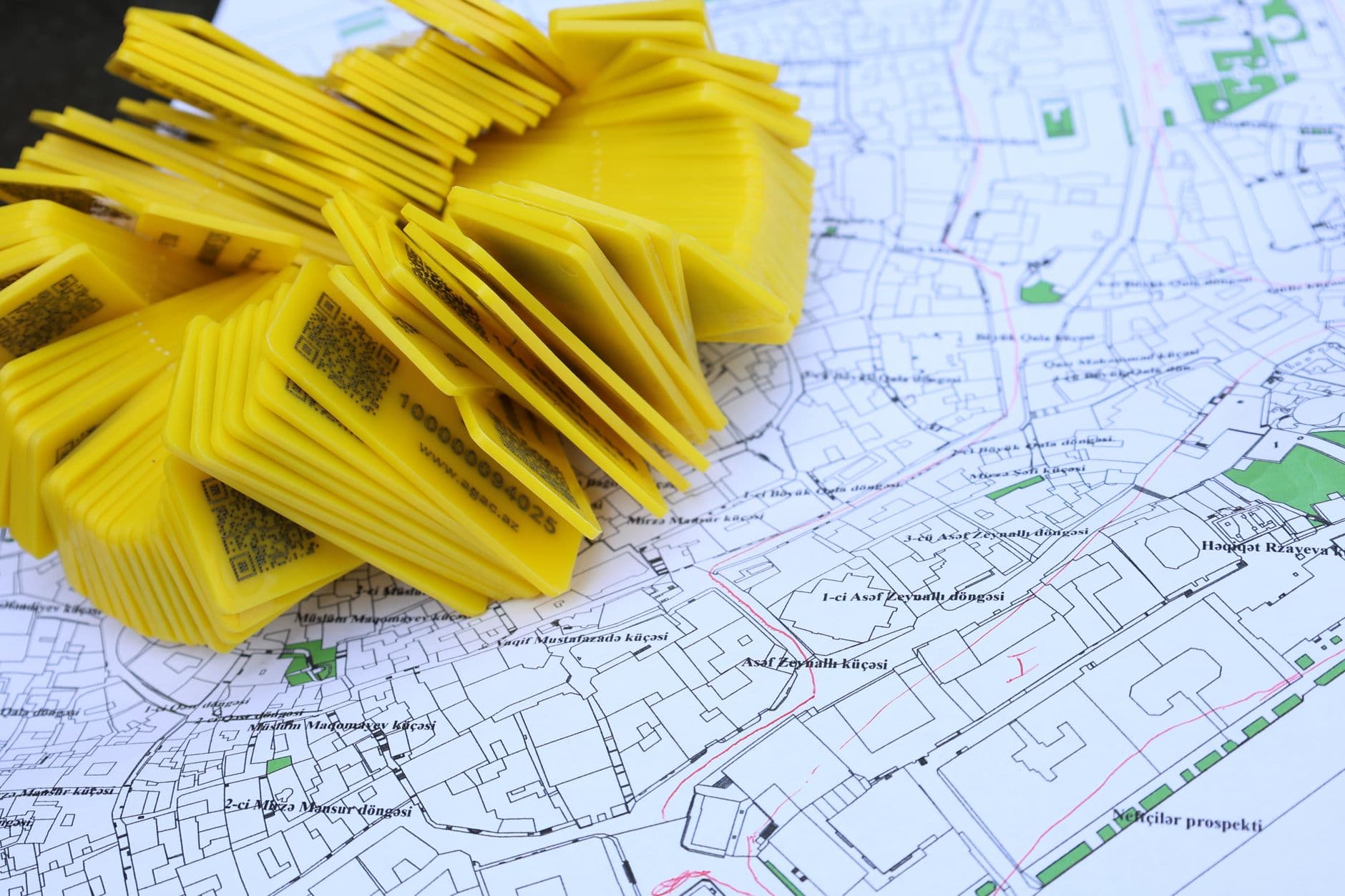
I spent an afternoon looking at the blueprints for a pre-war apartment building in Chicago, and it struck me how remarkably low-maintenance that data is. Those drawings have survived floods, nicotine-stained offices, and decades of neglect, yet any engineer with a ruler and a brain can still read them. They are physically present. Fast forward to the present: we are erecting billion-dollar glass needles using Building Information Modeling (BIM) files that live exclusively in proprietary cloud environments. It makes me wonder if we’ve accidentally traded structural permanence for digital convenience.
Every pipe, every bolt, and every tension cable in a modern tower is mapped in a 'digital twin.' This is supposed to be the ultimate safety net. But when you realize that these twins are often locked behind a subscription wall or saved in a file format that updates every eighteen months, the safety net starts to look like a spiderweb. What happens in 2074 when a structural engineer needs to check the stress load of a beam, but the software company that created the original model went bankrupt in 2038?
- A physical blueprint lasts 500 years if kept dry.
- A magnetic hard drive lasts about 10 years if you're lucky.
- A proprietary cloud format lasts exactly as long as the monthly payment clears.
The Proprietary Prison of Steel
There is a specific kind of anxiety in realizing that our physical infrastructure is now tethered to a software license. Urban planners are beginning to whisper about the 'Dark Archive'—the growing graveyard of BIM data that is technically 'backed up' but practically inaccessible. You can have the file, sure, but if you don't have the specific version of the specific CAD software that ran on a specific operating system, that file is just a very expensive pile of digital noise. We are creating buildings that are functionally un-maintainable without their digital ghosts.
Photo by cottonbro studio on Pexels
I find it fascinating that we’ve reached a point where the 'backup' isn't a copy, but a permission slip. If a developer loses access to a project file because of a server migration or a legal dispute over licensing, the skyscraper doesn't fall down, but it does become a black box. We can’t see inside the walls anymore. We’ve lost the X-ray vision that BIM promised us because we forgot that data needs to be as durable as the concrete it describes.
Searching for a Universal Language
Is there a way to describe a 100-story building that doesn't involve a .rvt or .dwg file extension? I keep thinking about the Rosetta Stone. It worked because the information was redundant and carved into something that didn't require electricity. In the architectural world, we have Industry Foundation Classes (IFC), which are meant to be the 'open' version of building data. But even those feel like a stopgap. They are translations, and as anyone who has used a translation app knows, things get lost in the shift.
I wonder if we need to return to a form of 'analog digitalism.' Imagine a dedicated room in the basement of every skyscraper—a literal data vault—where the essential geometry is etched onto titanium plates or printed on high-stability polyester film. It sounds like science fiction, but it’s actually just common sense. We are currently betting the safety of our cities on the hope that the 2020s tech stack will be compatible with whatever humans are using in the 2080s. That is a massive, unproven assumption.
- We currently prioritize 'editability' over 'readability.'
- True backups should be 'dumb'—images and coordinates, not complex logic.
- The cost of data recovery in 40 years could exceed the cost of the original design.
What This Actually Means
We are sleepwalking into a crisis of urban amnesia. If we don't figure out how to decouple building data from the companies that sell the software, we are going to end up with a skyline full of 'legacy hardware.' Buildings that can't be renovated because no one knows where the load-bearing columns are, or towers that have to be demolished prematurely because the digital twin vanished in a server farm fire.
This isn't just a technical glitch; it’s a philosophical shift in how we view the things we build. We used to build for the centuries. Now, we build for the lifecycle of a software suite. I’m not saying we should go back to hand-drawing every window frame, but we need to start treating architectural data with the same reverence we give to the foundations themselves. A backup isn't a backup unless it can survive the death of the person who made it.
Maybe the most 'advanced' thing an architect can do today is ensure that their work can be understood by someone using a flashlight and a piece of paper a hundred years from now.
Quick Answers
Why can't we just open old files in new software?
Software updates often break 'backward compatibility,' meaning a file from 2010 might look distorted or lose critical metadata when opened in a 2024 program.
Isn't the cloud safer than a physical room?
Only if the company hosting that cloud exists forever; physical rooms don't require a login or a subscription to remain 'online.'
What is the 'Dark Archive' exactly?
It refers to the massive amounts of architectural data that are stored but can no longer be opened or used because the original software environment is dead.
Is anyone fixing this?
Some groups are pushing for 'OpenBIM' standards, but the industry still heavily relies on proprietary formats that prioritize corporate profit over long-term civic stability.