
If you want to dodge European antitrust scrutiny, hiring lobbyists is hopelessly mid-century. The modern playbook involves buying a beloved, derelict national monument, pumping a billion dollars into its exposed brickwork, and declaring yourself a steward of British musical heritage. Watching Apple unveil its bespoke concert venue inside London's Battersea Power Station is an exercise in sublime imperial theater.
The Art of Becoming Load-Bearing Infrastructure
Battersea spent nearly four decades as a brooding, toxic carcass on the Thames, a monument to post-war industrial exhaustion that resisted every sensible municipal scheme thrown at it. Enter Cupertino. Apple did not merely lease a polite corporate footprint; they consumed roughly 500,000 square feet across six floors, crowned by a glittering Apple Music live-performance hub designed to foster British artistic genius under the warm, protective gaze of a $3 trillion market cap.
This is not real estate. This is a blood transfusion. When a foreign tech monopoly takes responsibility for heating, staffing, and emotionally validating a nation's most recognizable industrial cathedral, it stops being a vendor subject to the whims of local regulators. It becomes the landlord of civic memory.
Try summoning the regulatory courage to fine a company four percent of its global turnover for App Store rent-seeking on Monday, when that same company is underwriting your domestic creative economy on Tuesday night inside the brickwork that Pink Floyd put on an album cover. It looks ungrateful. More importantly, it looks tacky.
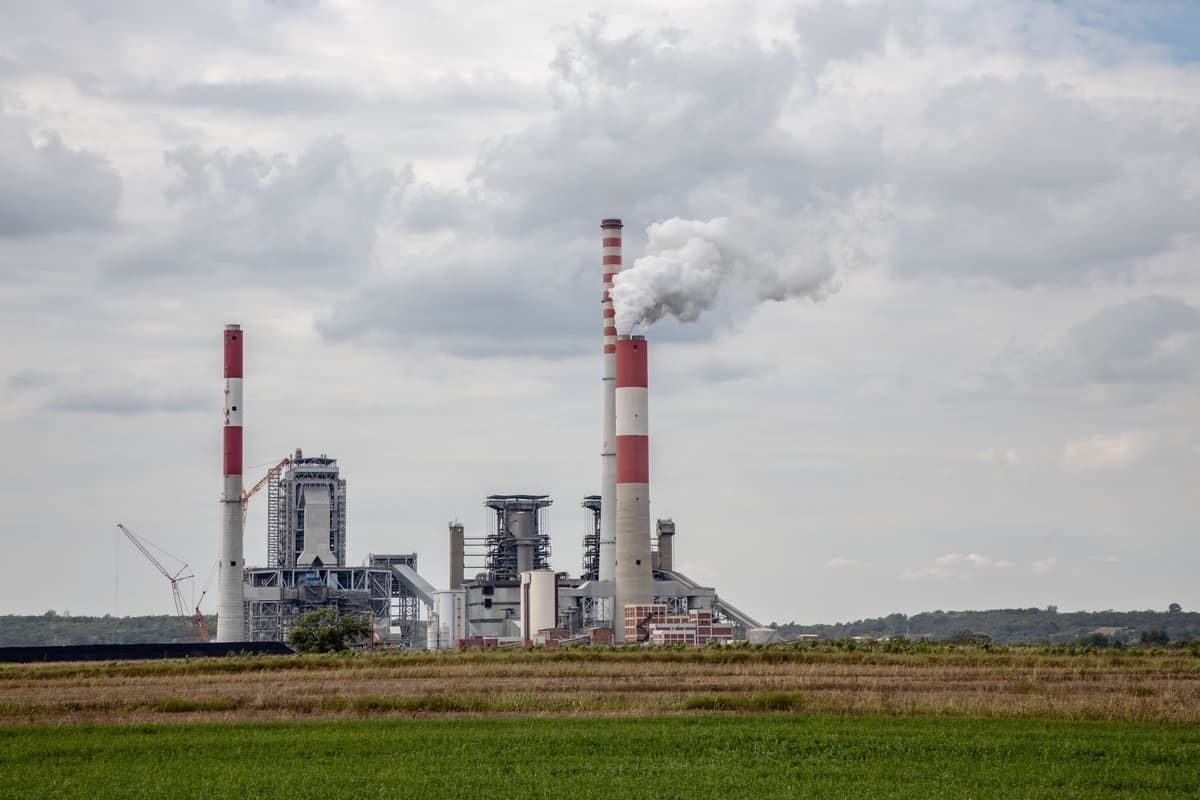
Photo by Boris Hamer on Pexels
The East India Company with Spatial Audio
Historically, empire-building required tedious things like gunboats, colonial administrators, and small armies of clerk-accountants dying of malaria. Today, corporate extraterritoriality comes packaged in recycled aluminum and soft ambient lighting. Apple has effectively established an embassy on the South Bank, except embassies have to negotiate bilateral treaties while Apple simply negotiates preferential enterprise zoning.
The mechanics of this soft-power station are delightfully straightforward:
- Identify a culturally sacred piece of national infrastructure that the state lacks the liquidity or competence to maintain.
- Restore it to a level of immaculate, sterile perfection that makes the native government look like an amateur caretaker.
- Populate the structure with curated cultural programming that mirrors the local creative soul back to itself, but exclusively through proprietary codecs.
- Allow local politicians to cut ribbons in front of bespoke glass facades so they can claim credit for private capital doing the state's job.
By the time anyone checks the tax receipts, the company has transformed itself from an American hardware manufacturer into an indispensable benefactor of the realm. You cannot regulate an institution that pays the electric bill for your national pride.
Diplomacy by Acoustic Treatment
There is a peculiar genius in selecting a power station for this performance. A generation ago, Battersea generated a fifth of London's electricity, belching coal smoke across the Thames to keep the lights on in Whitehall. Now, it generates live acoustic sessions, exclusive streamable content, and that specific strain of civic gratitude that makes antitrust enforcement feel like poor etiquette.
When the UK's Competition and Markets Authority sits down to deliberate over mobile browser engines and in-app payment rules, they do so a short tube ride away from an enormous monument where Apple's presence represents the revitalization of an entire urban corridor. The company hasn't broken any laws. They haven't threatened to withhold investment. They have simply made their physical presence so tasteful, so culturally woven into the capital's fabric, that pushing back against their market dominance feels like campaigning against public parks.
It is geopolitical capture disguised as arts council funding. Why spend millions fighting the Digital Markets Unit in drab administrative tribunals when you can invite the culture minister to a private listening party inside a cathedral of your own making?
What This Actually Means
We have entered an era where platforms do not lobby governments; they out-govern them on the terrain of aesthetics and preservation. When sovereign wealth funds and tech giants become the sole entities capable of rehabilitating Western industrial heritage, sovereignty itself becomes an elastic concept.
Apple has not built an office with a stage in Wandsworth. They have constructed an architectural treaty that sits comfortably outside normal jurisdictional friction, buffered by layers of bespoke brick and local nostalgia. The chimneys still stand, towering over the river, pristine and white against the gray sky, signaling that the machinery of empire is functioning smoothly, even if the empire is now incorporated in California.
Good luck writing a policy brief about interoperability that competes with that view.
Quick Answers
Is Apple actually immune to UK regulation because of Battersea?
No legal immunity exists, but the optics change completely when a regulator targets an entity that just single-handedly revitalized a central civic landmark.
Why would a tech company invest in physical concert venues instead of pure digital streaming?
Physical spaces anchor ephemeral software businesses into the real world, turning intangible platforms into beloved, permanent civic institutions that are nearly impossible to dismantle politically.
Who originally owned the Battersea site before Apple moved in?
A consortium of Malaysian investors bought the 42-acre site in 2012 for £400 million, spending a decade transforming the derelict shell into luxury retail and office space before securing Apple as the anchor tenant.