The implicit social contract of premium hardware is currently being dismantled in real-time. For over a decade, the logic of the high-end smartphone market was straightforward: you paid a massive upfront premium to Apple to ensure you were the customer, not the product. By subsidizing the hardware with your own capital, you opted out of the data-mining and ad-laden ecosystem that defined the budget Android market. That wall has now been breached, and the damage to the user experience is likely permanent.
Apple is no longer satisfied with the margins on a piece of glass and silicon. They are aggressively pursuing a post-growth strategy where the hardware is merely a delivery vehicle for recurring service revenue. This isn't just about a subtle suggestion in the App Store anymore. We are seeing persistent banners in the Settings app, promotional notifications for services you don't want, and a slow, systemic erosion of the interface's integrity. When you pay $1,199 for a Pro Max device, you should own every pixel on that screen. Instead, Apple is treating those pixels as high-value digital real estate for their own sales team.
The Extraction of the Captured User
This shift is a direct response to the saturation of the global smartphone market. Between 2016 and 2023, the time people keep their phones before upgrading increased significantly, stretching toward a four-year cycle for many premium users. When you can no longer rely on everyone buying a new slab of aluminum every twenty-four months, you have to find a way to monetize the people who are staying put. This is the definition of rent-seeking behavior: extracting value from a captive audience without providing additional utility.
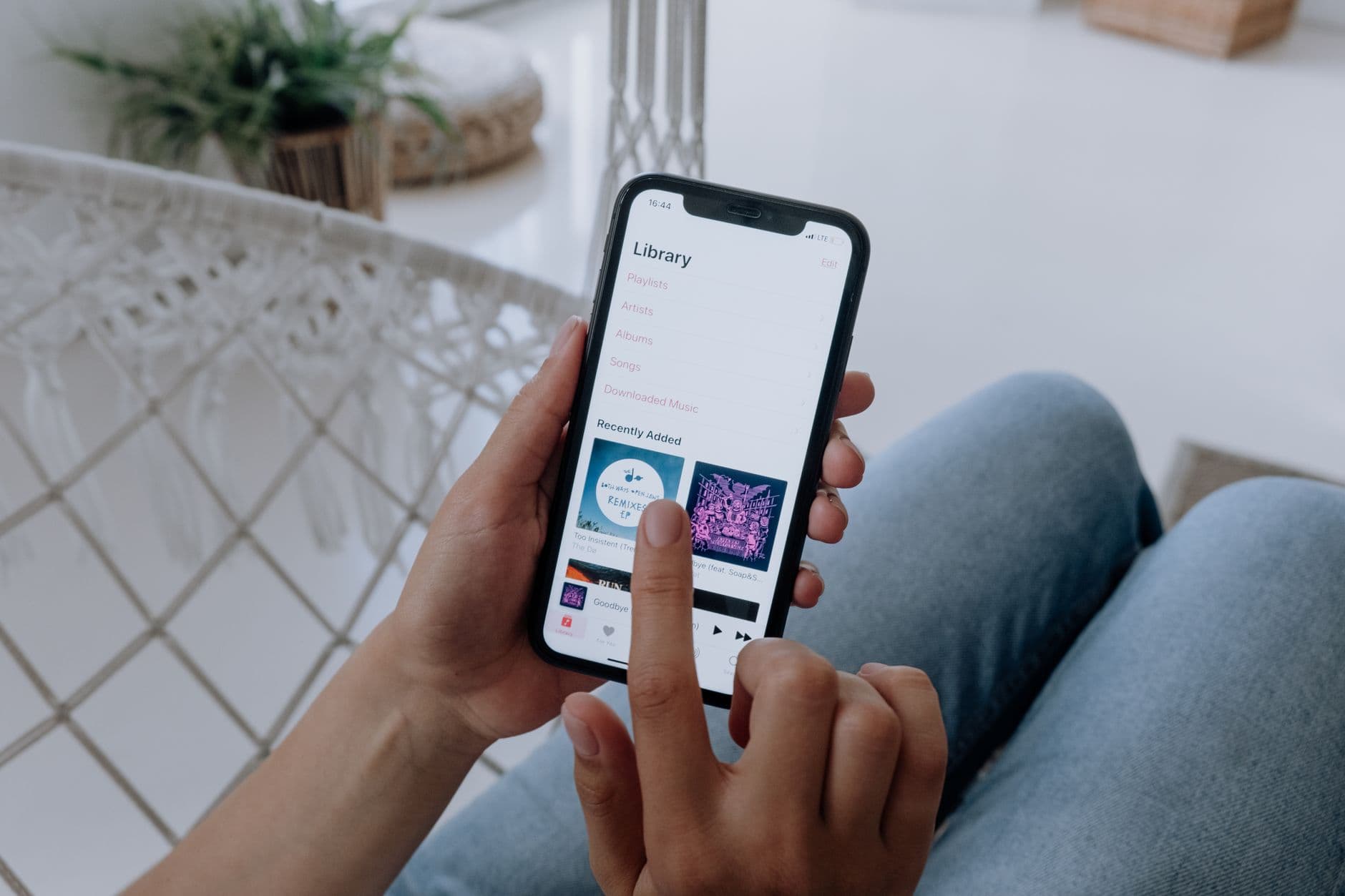
It starts with a red dot on the Settings icon that doesn't go away until you acknowledge a free trial of Apple Fitness+. It continues with "Suggestions" in the search bar that are actually paid placements. These are not features designed to help the user; they are cognitive taxations designed to funnel traffic toward Apple’s balance sheet. By turning the operating system into a mall directory, Apple is effectively telling its most loyal customers that their initial purchase was merely a down payment on a lifetime of solicitation.
The Fallacy of the Privacy Shield
Apple has spent hundreds of millions of dollars on marketing campaigns centered on the word "Privacy." They have successfully positioned themselves as the benevolent protector against the data-hungry vultures of Silicon Valley. However, there is a massive logical gap between protecting a user from third-party tracking and then using that same protected environment to serve internal advertisements. Privacy is not just about who sees your data; it is about the autonomy of the user experience.
- Apple’s services business hit a record $24.2 billion in Q3 2024, a figure driven largely by this aggressive ecosystem locking.
- The integration of ads into the App Store search results was the pilot program; the expansion into the core UI is the full-scale invasion.
- When the manufacturer controls the hardware, the software, and the payment rails, the user has zero leverage to opt-out of this encroachment.

Photo by RDNE Stock project on Pexels
This predatory design is a betrayal of the brand's core identity. Steve Jobs famously obsessed over the aesthetics of the invisible, ensuring the insides of computers were as beautiful as the outsides. To see that same company cluttering its refined mobile interface with the digital equivalent of junk mail is a sign of a leadership team that values short-term ARPU (Average Revenue Per User) over the long-term health of the brand’s soul. They are trading decades of earned trust for a few percentage points of growth in the Services category.
The Infrastructure of Distraction
We are witnessing the death of the "clean" device. In the early 2010s, the distinction between a premium device and a cheap one was the absence of bloatware. You paid more to get less—less noise, less clutter, less pre-installed nonsense. Today, that distinction has evaporated. Apple is now engaging in the same behavior they once mocked in their competitors, but they are doing it with more sophistication and less shame.
This creates a dangerous precedent for the entire industry. If the most valuable company in the world, selling the most expensive consumer electronics in history, can't resist the urge to turn its UI into an ad network, no one will. We are entering an era where the concept of "buying" a product is being replaced by a permanent, subsidized lease on a marketing terminal. The hardware is just the hook; the real product is your persistent, managed attention.
What This Actually Means
The pivot to a rent-seeking UI is an admission that hardware innovation has hit a ceiling. When a company can no longer convince you to buy a new phone based on the camera or the processor, they must instead find a way to tax the phone you already have. This is a fundamental shift in the relationship between the consumer and the corporation. You are no longer a patron of great engineering; you are a metric to be optimized.
If we accept this as the new normal, we lose the last sanctuary of the digital age. The smartphone is the most intimate object we own, the device that sits in our pockets and handles our most private communications. To allow that space to be colonized by corporate promotions is to concede that there is no corner of our lives that is not for sale. We are paying for the privilege of being sold to, and as long as the stock price demands infinite growth in a finite market, the banners will only get bigger.
This isn't a glitch or a series of small experiments. This is the roadmap. The future of premium hardware is a beautiful, expensive cage where the bars are made of subscription prompts and the floor is paved with promotional banners. We should stop calling it a smartphone and start calling it what it is: a portable storefront that you paid $1,000 to enter.
Quick Answers
Can I turn off these system-level ads entirely?
No. While you can dismiss individual notifications or hide certain suggestions, the underlying infrastructure for these promotions is baked into the core of iOS and cannot be disabled by the user.
Is this different from what Google does on Android?
Only in brand perception. While Google has historically been more overt with ads, Apple’s move is more significant because it violates the premium price-to-privacy promise that defined their ecosystem for two decades.
Why is Apple doing this now?
Smartphone hardware has reached a plateau where users are keeping devices longer. To satisfy shareholders' demand for growth, Apple must find ways to extract more money from the existing user base via services and internal advertising.