The Art of the Eraser
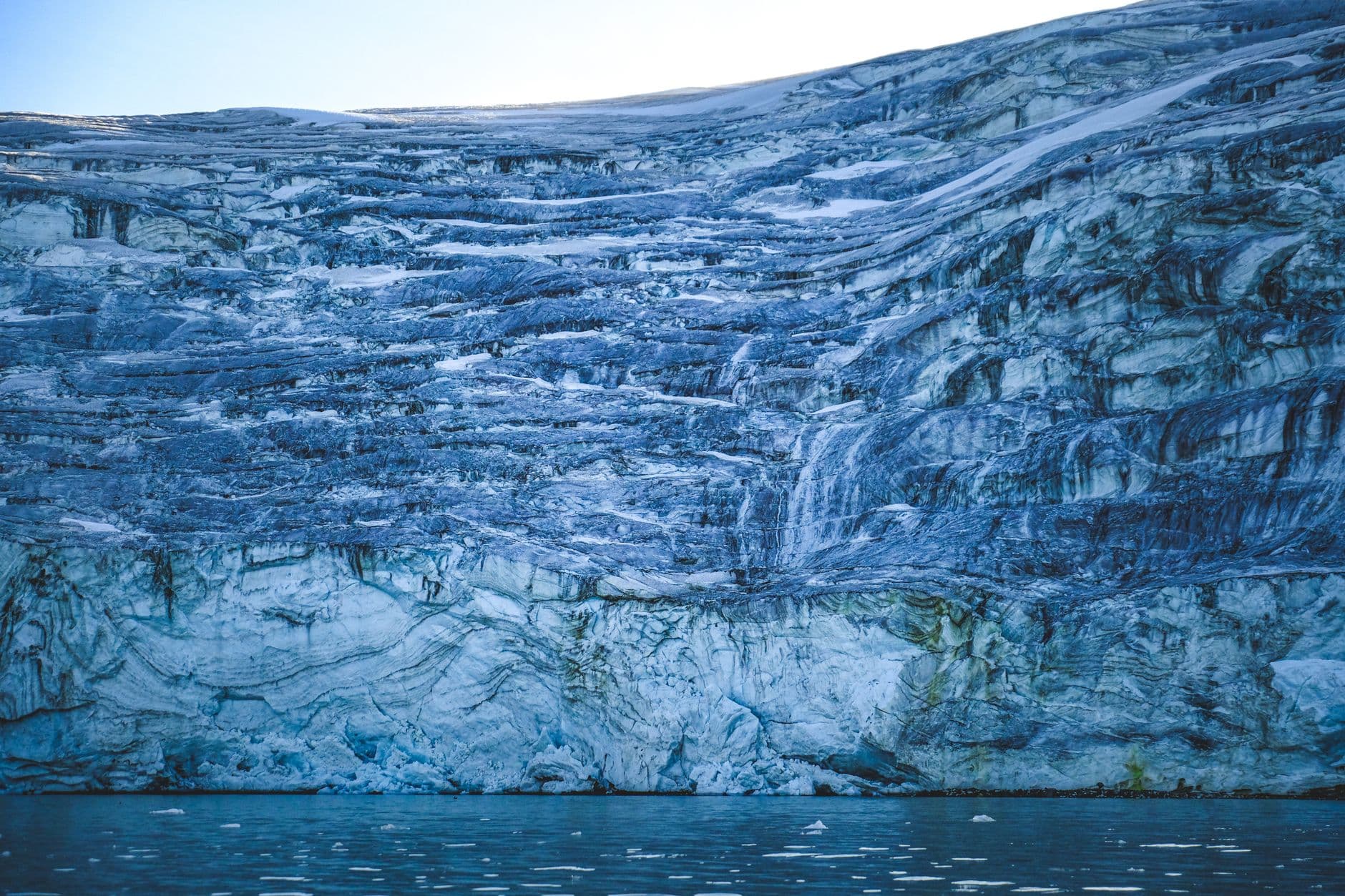
There is a specific kind of silence in an Ansel Adams photograph that feels less like peace and more like an eviction notice. When Adams captured the Tetons or the Yosemite Valley, he wasn't just adjusting his aperture; he was participating in a massive, aesthetic cleanup. By the time the Wilderness Act of 1964 was signed into law, the visual language of 'nature' had been firmly established as a place where man is a visitor who does not remain.
I wonder if Adams realized that by dodging and burning his prints to perfection, he was providing the blueprint for a rigid legal binary. We created a world where 'Nature' is over there behind a fence, and 'City' is here in the smog. This divide wasn't inevitable. It was curated. We traded the messy reality of working landscapes—places where humans and biodiversity actually coexist—for a high-contrast dream of untouched granite.
The $1.2 Trillion Wall
When we look at the sheer scale of the 1964 Wilderness Act, we’re looking at over 111 million acres of land preserved in a state of permanent 'emptiness.' That is a staggering amount of geography to define by what it lacks. By framing nature as something that must be 'untrammeled by man,' we accidentally signaled that anywhere humans live is, by definition, a lost cause. It’s a psychological wall that makes urban resilience feel like an oxymoron.
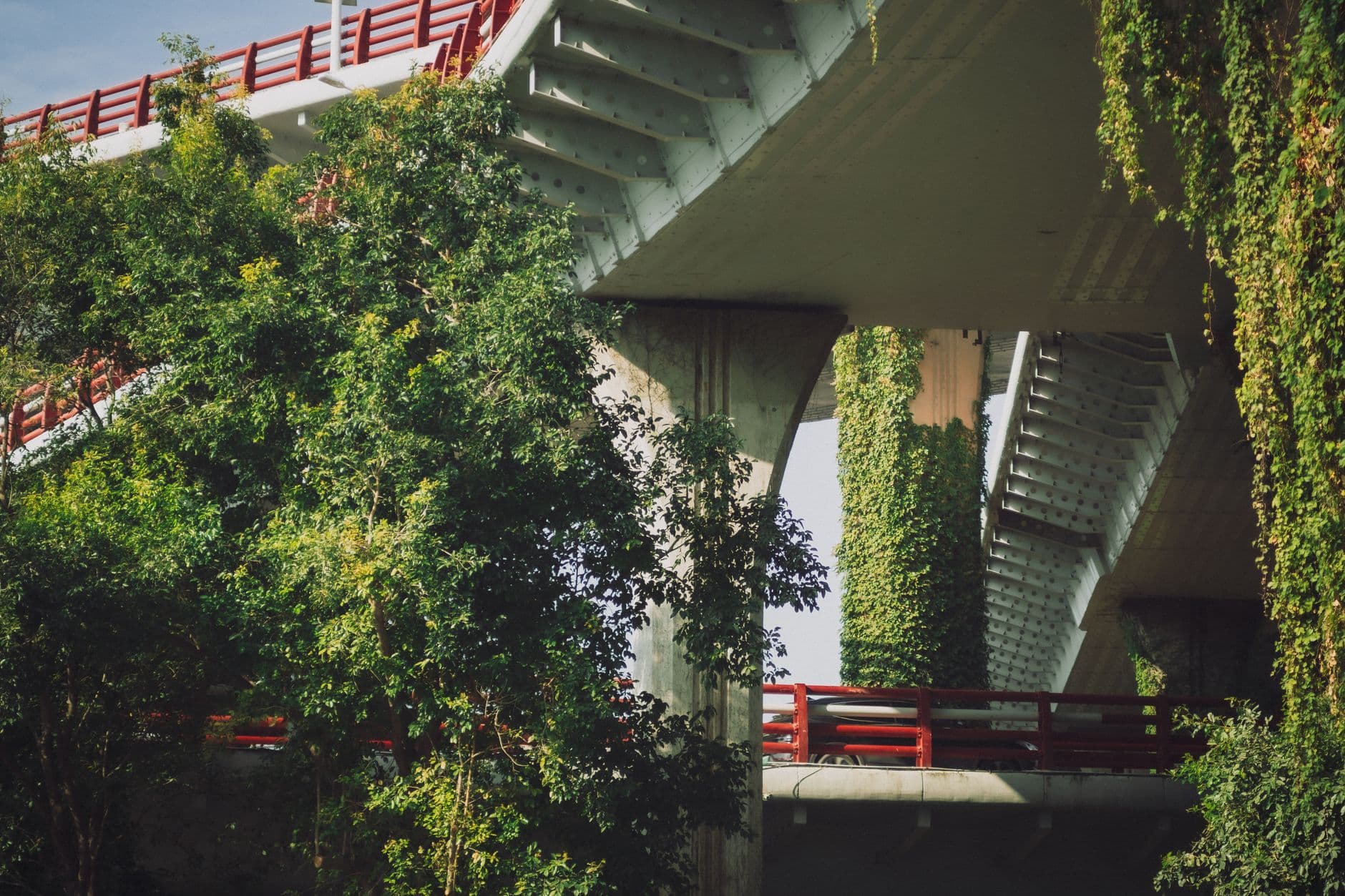
Today, landscape architects are trying to bill us for the demolition of that wall, and the price tag is astronomical. We are spending billions on 'green infrastructure' to bring back the very things we spent a century pushing out of our sightlines. I find myself questioning why we need to 're-wild' a city park when we could have just designed our cities to be wild from the start. We are essentially trying to Photoshop the people back into the frame, but the layers are locked.
Photo by David McElwee on Pexels
The Working Landscape Problem
Modern ecology is starting to whisper something that would have ruined Adams' composition: the healthiest ecosystems often involve human intervention. Whether it’s indigenous controlled burns or regenerative grazing, the 'empty' landscape is often a dying one. When we removed the people to satisfy an aesthetic ideal, we removed the stewards. Now, we face a climate crisis where the 'urban-nature binary' is actively killing us.
- We build concrete heat islands because we think nature belongs in a National Park, not on a roof.
- We funnel rainwater into sewers instead of soil because we view 'dirt' as an urban contaminant.
- We treat every tree in a city as a decoration rather than a functional piece of infrastructure.
I’m curious about what happens if we stop looking for the 'pristine.' If we accept that a landscape can be beautiful even if there’s a power line or a vegetable garden in the mid-ground, does that change how we solve for rising sea levels? We’ve spent sixty years protecting the 'view.' It might be time to start protecting the function.
Designing the Integration
I’ve been looking into the work of firms like SCAPE or Snohetta, and they seem to be doing something radical: they’re making the landscape work for its living. They aren't trying to hide the people; they’re using the people to move the water and seed the ground. It’s the total opposite of the Adams aesthetic. It’s messy, it’s noisy, and it’s deeply integrated. It’s a 'working landscape' that doesn't care if it looks good in a silver-gelatin print.
What if the most 'natural' thing we can do is admit we are part of the system? The 1964 Act was a triumph of conservation, but it was also a failure of imagination. It assumed we couldn't be trusted to touch the things we love. I wonder if we’re finally mature enough to live in the garden instead of just staring at it through a viewfinder.
What This Actually Means
The myth of the empty wilderness served a purpose in 1964, protecting millions of acres from the bulldozer. But that same myth has become a cage for urban design. By segregating 'human' space from 'natural' space, we’ve created cities that are ecologically sterile and wildernesses that are socially disconnected. We are now in a race to dismantle that binary before the climate makes the choice for us.
We need to stop asking if a place is 'pristine' and start asking if it’s resilient. A bioswale in Brooklyn is arguably more important to the future of the planet than a remote peak in the Sierras, yet our cultural hierarchy still puts the peak on the pedestal. We have to learn to love the 'working' version of the world—the one that isn't perfectly composed, but is actually alive.
If we can bridge this gap, we might find that the most beautiful landscapes aren't the ones where we are absent. They’re the ones where we finally figured out how to stay.
Quick Answers
Did Ansel Adams hate cities?
Not necessarily, but his work focused on a 'Sublime' aesthetic that required the total absence of modern technology to evoke a sense of spiritual awe.
Why is the 'urban-nature binary' a problem for climate change?
It prevents us from building 'spongy' cities; when we think nature only happens in the woods, we don't prioritize life-saving green infrastructure in our streets.
What is a 'working landscape'?
A piece of land that provides ecological services—like carbon sequestration or water filtration—while also being used for human needs like food, energy, or housing.