The Mathematical Ghost in the Machine
Public safety technology is currently trapped in a pincer movement between technical ambition and legal terror. The recent facial recognition trials across major UK rail hubs, including Waterloo and Wimbledon, processed half a million faces with the clinical efficiency of a high-end processor, yet the output was functionally zero. This isn't a failure of the algorithm's ability to see; it is a failure of the system's permission to act. When a system is tuned so tightly to avoid the social and legal catastrophe of a false arrest, it becomes biologically incapable of identifying the very targets it was built to find.
We are witnessing the birth of a 'Security Theater 2.0.' Unlike the manual bag checks of the early 2000s, which were designed to make passengers feel safe through visible effort, this new iteration is designed to make institutions feel safe through data hygiene. By prioritizing a near-zero false positive rate, authorities have rendered the 'true positive' a statistical impossibility. It is a paradox of precision: the more we demand the AI be perfect, the less useful it becomes in the messy, low-resolution reality of a crowded train station.
The High Cost of Risk Aversion
To understand why 500,000 scans resulted in zero arrests, one must look at the threshold settings. Every biometric system operates on a sliding scale of confidence. If you set the match threshold at 99.9%, you ensure that you almost never harass an innocent commuter, but you also ensure that a suspect wearing a slightly different pair of glasses or walking under a flickering LED light remains invisible. The UK trial's single false positive suggests a system so terrified of a PR disaster that it has been effectively neutered.

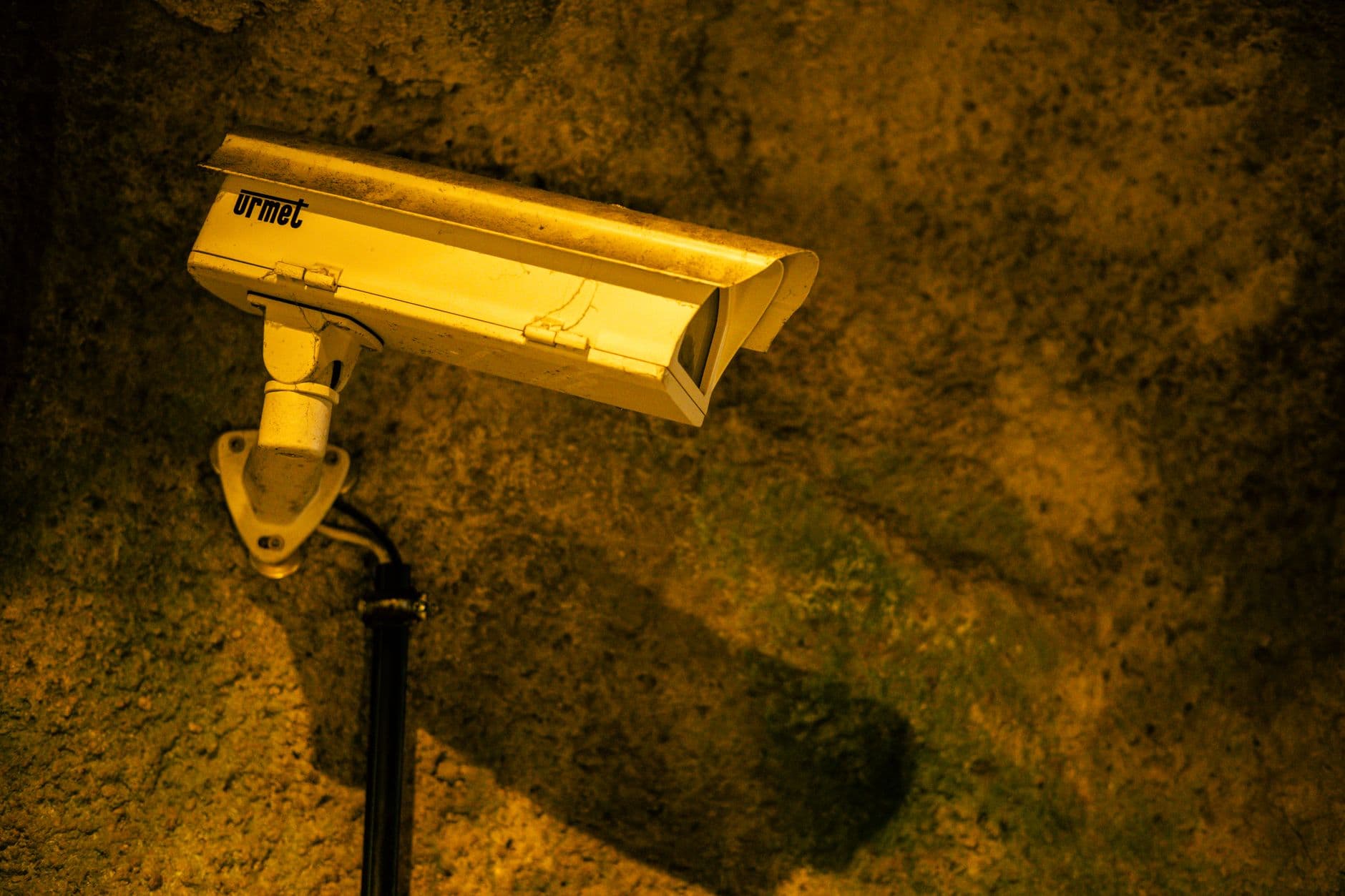
Photo by Benoit Dujardin on Pexels
This risk aversion is not merely a technical choice; it is a response to a shifting legal landscape. In 2020, the Bridges v South Wales Police case established that there must be a clear legal framework for how these lists are compiled and used. Since then, the 'watchlist' has become a liability minefield. If an agency spends hundreds of thousands of pounds on a system that identifies a shoplifter who is then wrongfully detained, the resulting lawsuit and loss of public trust outweigh the benefit of the arrest. Consequently, the software is deployed with its hands tied behind its back, performing a high-tech pantomime of vigilance.
- The South Western Railway trial used 'Live Facial Recognition' (LFR) across multiple months.
- The system was designed to cross-reference commuters against a 'bespoke' police watchlist.
- Zero individuals on that watchlist were identified during the 500,000-scan window.
Data Without Direction
There is a fundamental dishonesty in deploying 500,000 scans without a clear metric for success beyond 'not making a mistake.' If the goal of a security system is to catch criminals, and it catches none, the system is a failure. If the goal is to prove the technology is 'safe' by showing it doesn't misidentify people, then the 500,000 commuters were not subjects of a security trial, but unpaid testers for a software calibration exercise.
We are currently stuck in a cycle of pilot programs that never transition into operational reality because the operational reality is too politically expensive. Each trial generates massive amounts of metadata and heatmaps of human movement, but when it comes to the hard edge of law enforcement—taking a person into custody—the technology retreats. This creates a dangerous middle ground where we sacrifice the anonymity of the crowd for a theoretical safety that never actually manifests in an arrest record.
What This Actually Means
The persistence of these trials, despite their lack of results, suggests that the objective has shifted from 'catching' to 'conditioning.' If we become accustomed to the presence of biometric scanners that 'do nothing,' we stop questioning their necessity. We are being trained to accept the infrastructure of a surveillance state while the efficacy of that state is still being debated in boardrooms. It is a slow-motion normalization of intrusive tech under the guise of an experimental phase that apparently never ends.
Ultimately, the 'Precision vs. Utility' trap reveals that AI is not a magic bullet for social friction. You cannot solve the problem of public crime by simply throwing more pixels at it if your legal and social framework cannot handle a 1% margin of error. We must decide if we want a society that accepts the risks of human-led policing or a society that pays for the expensive illusion of a digital shield. Right now, we are paying for the illusion, and the bill is only getting higher.
If the UK continues down this path, we will find ourselves with the most sophisticated, high-resolution, perfectly calibrated surveillance network in history—one that watches everyone and stops no one.
Quick Answers
Was the technology broken during the trial?
No, the technology functioned as programmed; it was simply calibrated with such high confidence thresholds to avoid errors that it failed to trigger on any potential matches.
Why is one false positive considered a failure?
In the context of 500,000 scans, one false positive is technically impressive, but it highlights that the system is tuned for 'safety from lawsuits' rather than 'effectiveness in policing.'
What happens to the 500,000 scans now?
Standard protocol dictates that images not resulting in a match are deleted immediately, but the metadata regarding flow, density, and system performance is typically retained for analysis.