The transition from fossil fuels to renewables has long been haunted by the ghost of the 'baseload' requirement. This is the engineering dogma stating that a modern industrial economy requires a massive, unmoving foundation of coal or nuclear power to keep the lights on when the wind dies. Germany just shattered that narrative. In the first half of 2024, renewable energy sources accounted for 58% of Germany's net public electricity generation, while fossil fuel production plummeted to its lowest level since the 1960s. This isn't just a statistical win for environmentalists; it is a fundamental redesign of how a G7 nation functions.
We are witnessing the transition from a supply-driven energy system to a demand-responsive one. For over a century, we built grids that functioned like a constant fire—burning fuel at a steady rate and forcing the rest of the world to adjust. Germany is proving that a variable-first grid is not only possible but increasingly stable. When wind and solar provide the majority of the electrons, the very definition of 'reliability' changes from maintaining a constant floor to managing a sophisticated, high-speed ceiling.
The Engineering Dogma of the Steady State
The traditional argument for coal and gas was built on the premise of inertia. Large spinning turbines in thermal power plants provided the frequency stability necessary to keep the grid from collapsing. Engineers argued that because wind and solar are intermittent, they could never be more than a supplemental 'flavoring' to the main course of fossil fuels. Germany’s current reality proves this was a limitation of imagination, not physics. By integrating advanced power electronics, battery storage, and cross-border interconnects, the German grid managed to handle a 15% drop in coal-fired generation in a single year without a flicker in industrial output.
This shift required a massive investment in what is known as 'grid intelligence.' Instead of relying on a few massive, centralized hubs, the system now coordinates millions of decentralized inputs. It turns out that the 'instability' of renewables was largely a symptom of an aging, rigid infrastructure that wasn't designed to listen. When you replace 20th-century copper with 21st-century software, the need for a massive, carbon-heavy floor starts to evaporate. The baseload wasn't a necessity; it was a crutch for a less sophisticated era of power management.
Economic Reality Outpaces Political Rhetoric
The collapse of fossil fuel dominance in Germany is being driven as much by the cold logic of the market as by climate policy. In 2023, the cost of generating electricity from new solar and wind installations was already significantly lower than operating existing coal plants. As renewable penetration increases, the 'capacity factor' of fossil fuel plants drops. They are forced to cycle on and off to fill gaps, which is an expensive and inefficient way to run a thermal plant. This creates a financial feedback loop: fossil fuels become more expensive as they become less necessary, accelerating their exit from the market.

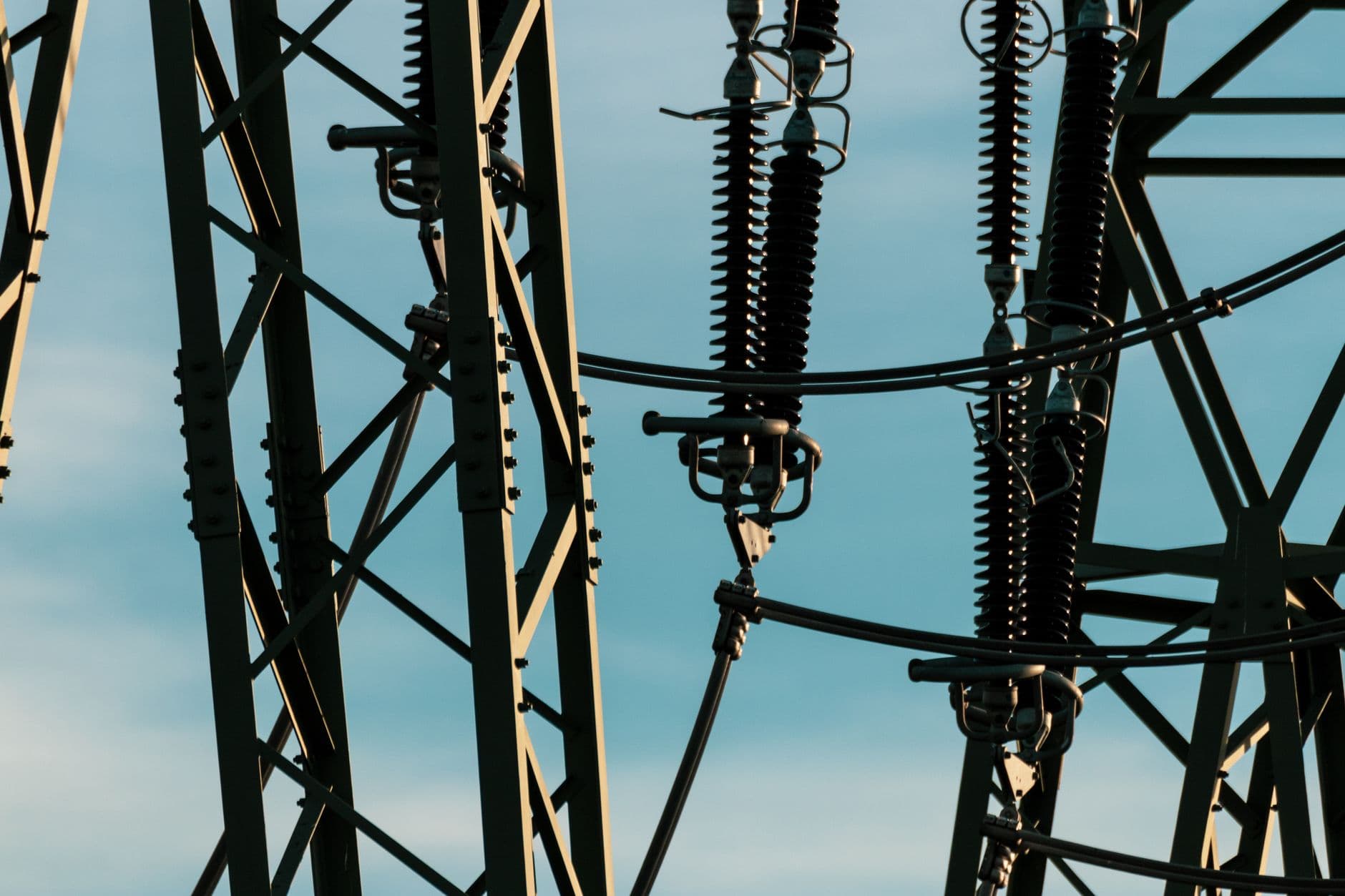
Photo by Shantum Singh on Pexels
Heavy industry, often cited as the final holdout for baseload power, is also pivoting. Steel manufacturers and chemical giants are no longer asking for a constant stream of coal power; they are investing in green hydrogen and massive on-site storage. They recognize that the future of competitive advantage lies in being able to utilize the cheapest electrons, which are now undeniably green. The German industrial sector is learning to synchronize its most energy-intensive processes with the availability of renewable surges, turning a perceived weakness of 'variability' into a cost-saving strategy.
The Global Implications of the Variable Grid
What happens in Germany does not stay in Germany. As the fourth-largest economy in the world, its success provides a blueprint for every other nation currently debating the 'reliability' of the green transition. The myth that a modern economy will collapse without a 24/7 coal floor has been debunked by the reality of 2024. This milestone signals to global investors that the transition risk for fossil fuel assets is much higher than previously modeled. If Germany can maintain its industrial base while fossil fuels fall to a minority share, the 'baseload' argument loses its last shred of credibility.
This transition does not mean the end of backup power, but it does mean the end of fossil fuels as the primary source of it. We are moving toward a 'firming' model where short-term gaps are filled by batteries and long-term seasonal gaps are filled by green hydrogen or hydro-pumped storage. The architecture of the future grid is not a pyramid with coal at the bottom; it is a web of flexible, responsive nodes that prioritize the cheapest, cleanest electron at any given microsecond.
What This Actually Means
The significance of Germany's shift cannot be overstated: the 'baseload' era is over. We are moving into a period where the most valuable asset on the grid isn't the ability to generate power constantly, but the ability to respond instantly. The engineering challenge of the next decade isn't finding a way to keep coal plants running; it’s building the transmission lines and storage capacity to move renewable energy from where it is generated to where it is needed.
This is a victory for evidence-based policy over institutional inertia. For years, skeptics argued that a grid dominated by renewables would lead to blackouts and industrial flight. Instead, we are seeing a more resilient, more efficient, and significantly cleaner system emerge. The lesson for the rest of the world is clear: the technical barriers to a 100% renewable grid are falling faster than the political ones.
Ultimately, Germany’s milestone proves that reliability is a function of design, not a byproduct of burning carbon. When we stop trying to force the future to look like the past, we find that the wind and the sun are more than enough to power even the most demanding civilizations. The transition is no longer a hypothetical goal; it is an engineering reality currently unfolding in the heart of Europe.
Quick Answers
Is the German grid less stable now?
No, Germany continues to have one of the most reliable power grids in the world, with outage times significantly lower than those in countries that rely more heavily on fossil fuels or nuclear power.
How does industry survive without constant power?
Modern industrial plants are increasingly using 'demand-side management,' adjusting non-critical processes to match energy supply and utilizing on-site storage and green hydrogen to bridge gaps.
Doesn't this make electricity more expensive?
While the initial infrastructure investment is high, the marginal cost of wind and solar is near zero, which lowers wholesale power prices and insulates the economy from the volatile price spikes of global gas and coal markets.


