The Shift from Compound Interest to Crop Rotation
I can't stop thinking about the psychological shift happening in Omaha right now. For decades, Berkshire Hathaway has been the ultimate machine for turning time into compound interest, guided by a man who can read a balance sheet like a poem. But by naming his son Howard—a man who identifies more as a farmer and a sheriff than a stock picker—as non-executive chairman, Warren Buffett is signaling something much weirder and more interesting than a simple family promotion. It feels like the company is transitioning from a hunter of undervalued stocks to a permanent steward of physical reality.
Howard Buffett isn't your typical boardroom inhabitant. He famously spent years operating a 1,500-acre farm in Illinois and has a deep, almost spiritual obsession with soil conservation and global food security. When you put a man who thinks in terms of decades-long soil regeneration cycles in charge of a $900 billion conglomerate, the math changes. You stop looking for the next 10% quarterly jump and start looking at how to keep the foundation from eroding over the next fifty years. I wonder if we are witnessing the birth of a new kind of corporate entity: the permanent land-holding company.
Why a Farmer for a Finance Giant
There is a specific kind of patience that comes with farming that you just don't find on Wall Street. In the investment world, a "long-term" outlook is five years; in agriculture, if you mess up your topsoil, you’ve ruined a legacy that takes a century to fix. Howard’s role as a non-executive chairman is specifically designed to protect the "culture" of Berkshire rather than pick the stocks—that job goes to Greg Abel and the lieutenants. But culture is everything. By placing a conservationist at the top, Warren is effectively building a moat around the company’s soul.
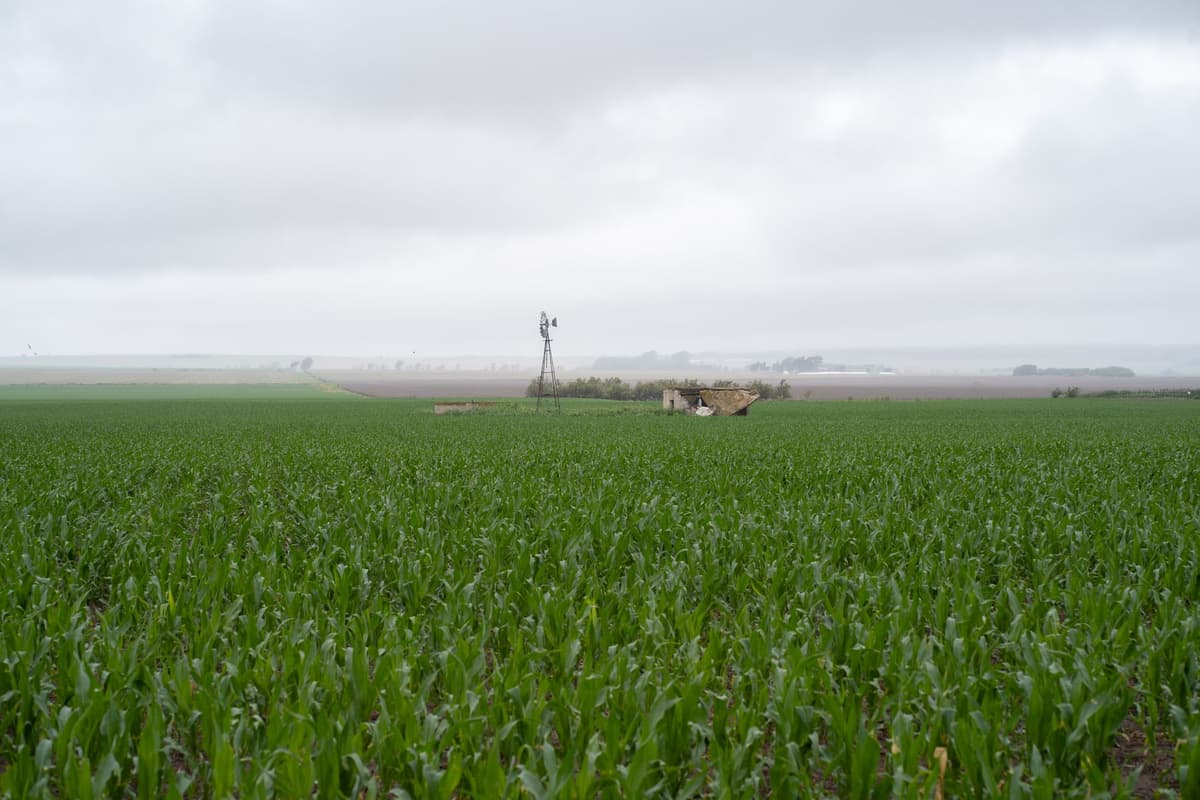
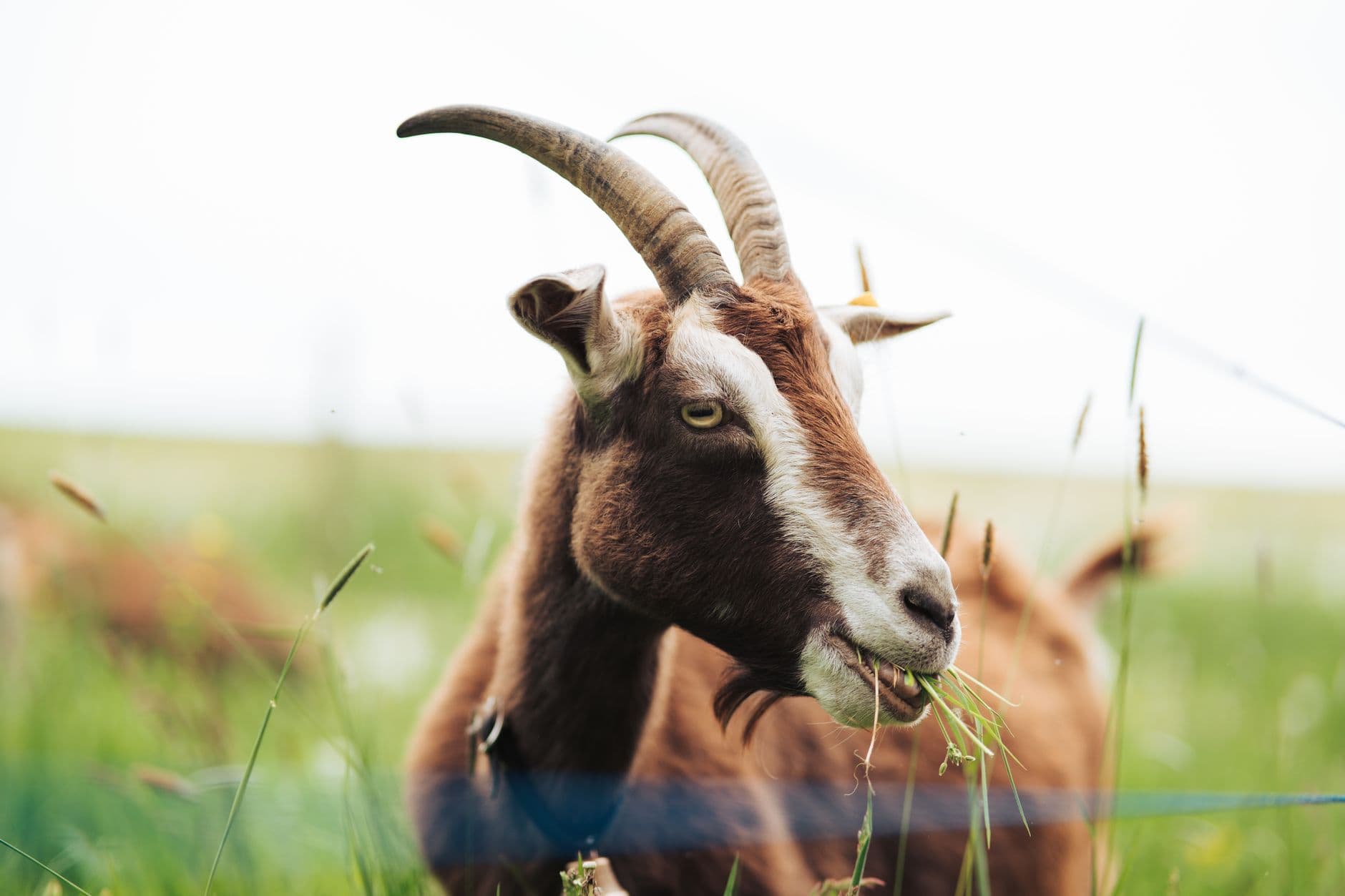
Photo by Tomás Asurmendi on Pexels
Think about the optics of this for a second. We live in an era of high-frequency trading where algorithms fight over microseconds. Berkshire is moving in the exact opposite direction. They are leaning into the slow, the heavy, and the tangible. Howard has often spoken about the "40 chances" a farmer has in their lifetime to grow a crop. That’s a finite, precious worldview. It makes me wonder if the era of the "market-beating machine" is being replaced by the "market-surviving machine."
The End of the Oracle Era
We have to admit that the "Oracle of Omaha" model died with Charlie Munger and Warren’s eventual step back. You cannot replicate Warren Buffett. He is a fluke of history, a human calculator born at the perfect moment for American industrial expansion. If the company tried to find another "mini-Warren" to hunt for stocks, they would almost certainly fail and lose billions trying to be something they aren't. Choosing Howard is a quiet admission that the hunt is over, and the era of the estate manager has begun.
This isn't necessarily a bad thing, but it is a monumental shift in how we perceive value. If Berkshire becomes a massive, stable utility that simply owns the rails, the energy, and the insurance of America, does it still need to beat the S&P 500? Or does it just need to exist? I’m fascinated by the idea of a corporation that views itself as a permanent fixture of the landscape, like a mountain range or a river system, rather than a competitor in a race.
What This Actually Means
This move suggests that the biggest threat to Berkshire isn't a bad trade or a market crash—it's drift. Warren knows that once he's gone, the vultures will want to break the company apart, spin off the subsidiaries, and feast on the short-term gains. By installing Howard, he’s installing a human brake pedal. Howard’s job isn't to make the company grow; it's to make sure it doesn't change its fundamental nature. It's an act of institutional conservation.
I’m left wondering if this is a template for the future of the mega-conglomerate. As the world becomes more volatile and digital, perhaps the ultimate luxury and the ultimate hedge is to be the person who owns the dirt, the bricks, and the grain. We might be watching the transition of Berkshire from an investment fund into a sovereign wealth fund for a family and a philosophy that intends to outlast the century. It’s a gamble on the value of being boring, and in today's world, that might be the smartest bet left on the table.
Quick Answers
Is Howard Buffett going to be picking stocks?
No, that responsibility falls to Greg Abel (the CEO-designate) and investment managers Todd Combs and Ted Weschler. Howard’s role is to act as a guardian of the corporate culture and prevent the board from making impulsive changes.
What does "Agricultural Capitalism" mean in this context?
It refers to a shift from seeking rapid financial returns to a philosophy of long-term stewardship, much like how a farmer manages land to ensure it remains productive for future generations.
Does this mean Berkshire will stop growing?
Not necessarily, but the focus will likely shift toward maintaining its massive existing assets—like BNSF Railway and Geico—rather than the high-profile, market-shaking acquisitions Warren was famous for in his prime.