The Verticalization of the Digital Cloud
For decades, the data center was a sprawling, single-story warehouse tucked away in a suburban office park where land was cheap and power was plentiful. That era is dead. The relentless drive to reduce latency and maximize compute density has forced these structures into the heart of our urban centers, where they are now forced to grow upward. This isn't an aesthetic choice; it is a direct consequence of the physics of memory. When engineers fight to save 100TB of RAM through software optimization, they are trying to delay the moment they have to build another $500 million substation.
Multi-story data centers are the new brutalism. They are windowless, heavy, and require structural engineering that far exceeds the needs of human habitation. In places like Singapore and Northern Virginia, we are seeing five-story and even ten-story facilities that pack more processing power into a single city block than entire regions possessed a decade ago. This verticality creates a unique set of architectural challenges, primarily centered on heat rejection and the sheer weight of the cooling infrastructure required to keep high-density racks from melting down.
The Thirst of the Machine
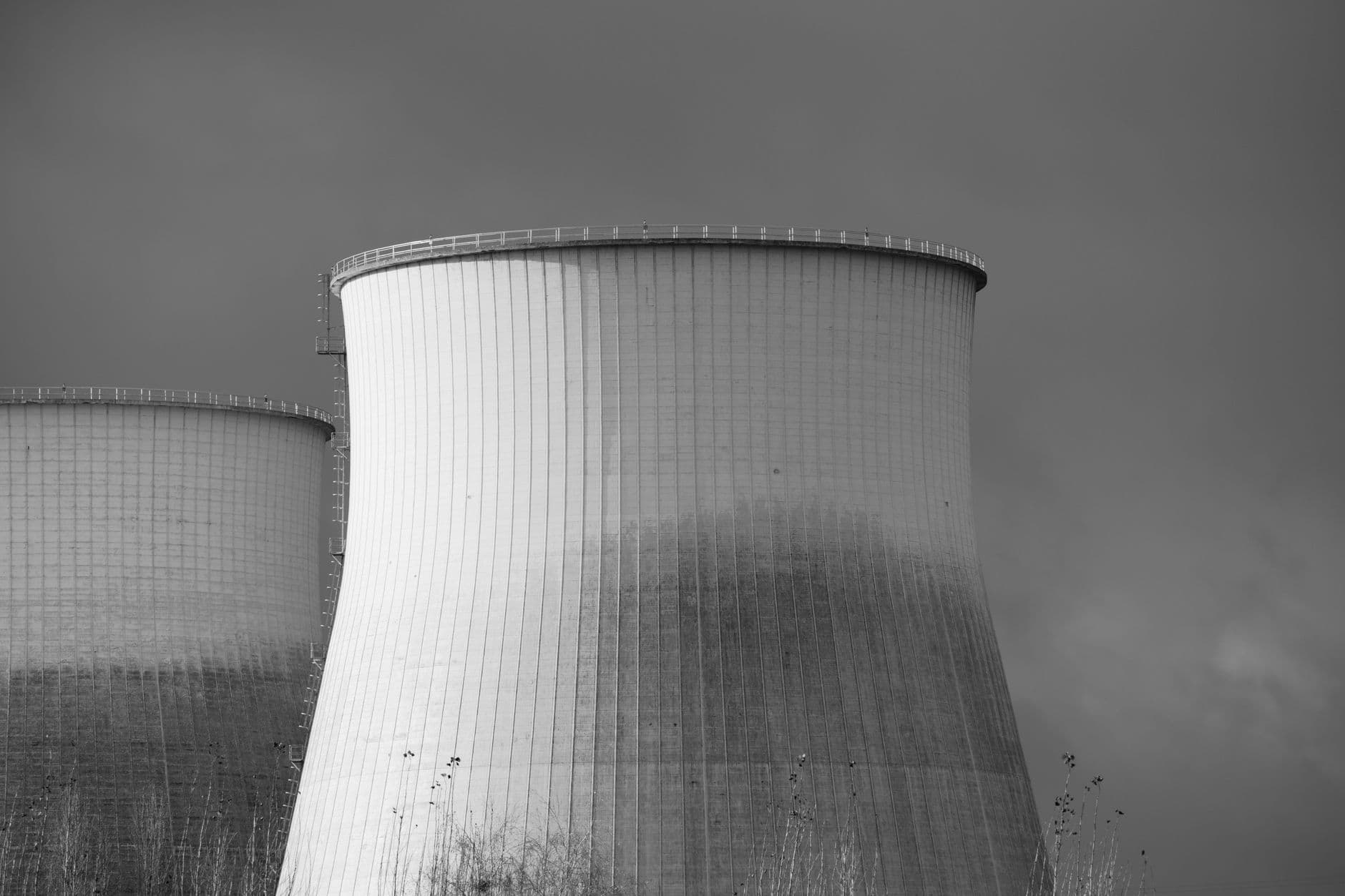
Water is the invisible currency of the digital age. A typical hyper-scale data center can consume between 1 million and 5 million gallons of water per day for cooling purposes. In an urban environment, this usage competes directly with the residential population and local industry. When a city approves a new modular data center, they aren't just approving a building; they are committing to a perpetual drain on the municipal utility grid. We are reaching a tipping point where the 'invisible footprint' of our digital lives is manifesting as a tangible crisis in water management.
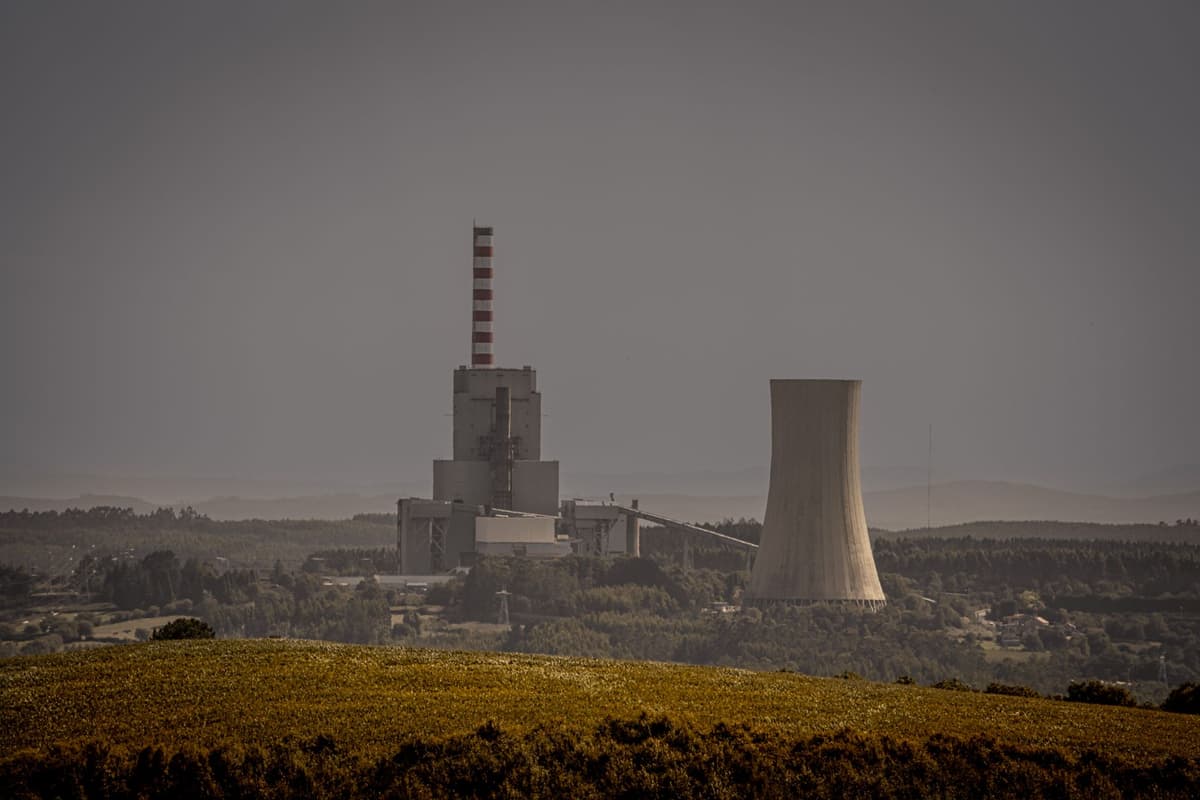
Photo by Tanhauser Vázquez R. on Pexels
Architects are now being forced to design 'closed-loop' systems and liquid-to-chip cooling methods to mitigate this impact. However, these technologies are expensive and increase the complexity of the internal layout. The trade-off is stark: either we optimize the software to run on less hardware, or we continue to divert massive amounts of public infrastructure to support the cooling of private servers. The 100TB of RAM saved through better compression or deduplication translates directly to thousands of gallons of water saved every hour.
Zoning for an Uninhabited City
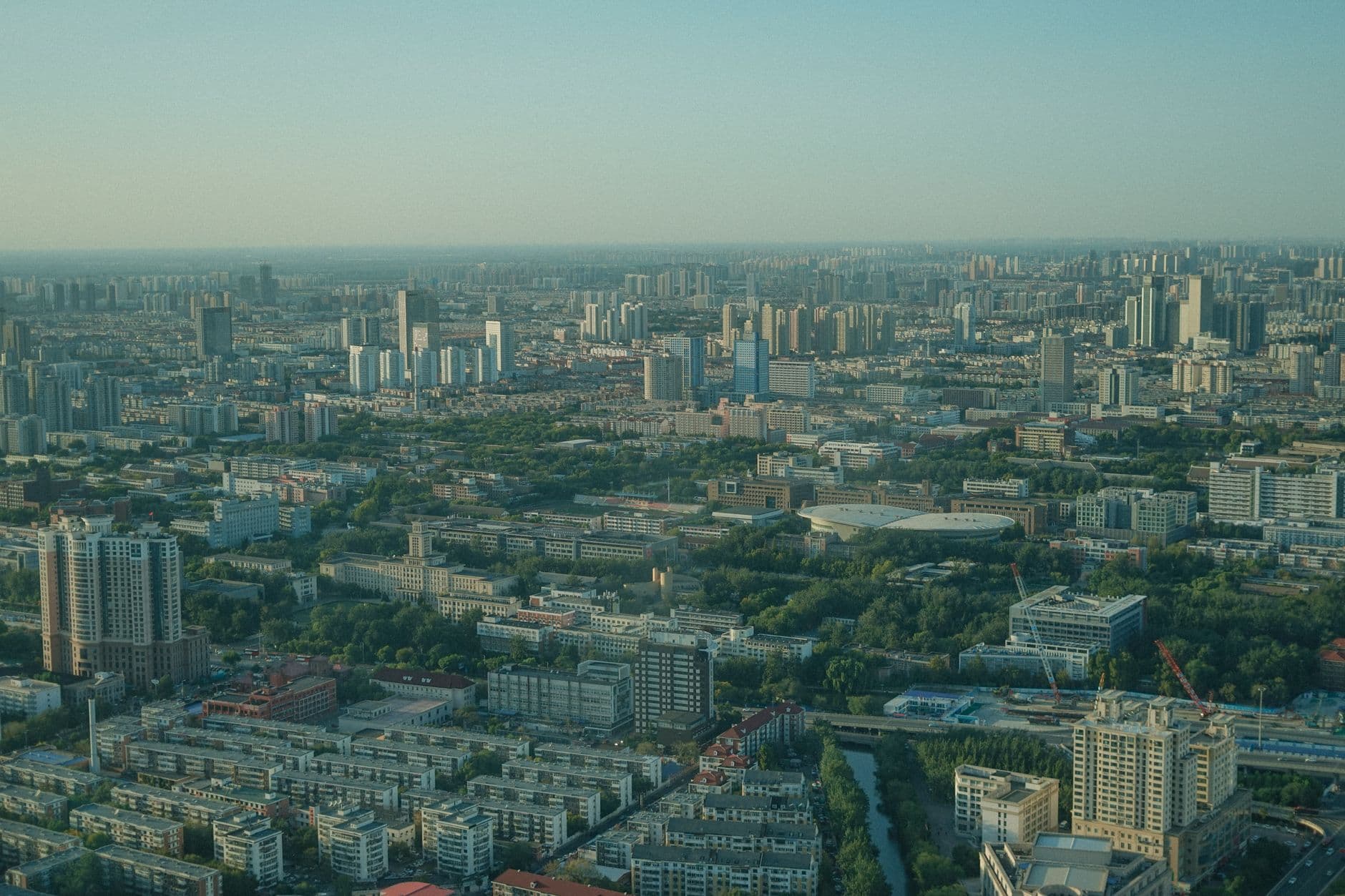
Urban zoning has historically been about people—where they live, where they work, and how they move between the two. Data centers represent a third category: a building designed entirely for machines. This is forcing a radical rewrite of industrial architecture codes. Cities are now creating 'Data Center Districts' that function as dead zones for human activity. These areas are characterized by massive power substations and thick concrete walls, offering no street-level engagement or economic vitality beyond the tax revenue they generate.
- Substation Dominance: New urban substations are being built with capacities exceeding 100MW to serve just two or three buildings.
- Acoustic Pollution: The constant hum of industrial-scale fans creates a noise floor that makes surrounding areas uninhabitable for humans.
- Heat Islands: The concentrated thermal exhaust from vertical data centers can raise local ambient temperatures by several degrees.
This creates a paradox for urban planners. They want the high-value tax base that a $1 billion data center provides, but they cannot ignore the fact that these buildings are essentially black holes in the urban fabric. They occupy prime real estate but provide almost zero employment per square foot compared to traditional office or retail space. We are building the infrastructure of the future at the expense of the livability of the present.
What This Actually Means
The push for extreme compute density is not just a technical milestone; it is a survival strategy for the modern city. Every terabyte of RAM we can optimize away represents a reduction in the physical mass of the buildings we must construct. We are currently in a race where software efficiency is the only thing preventing our cities from being swallowed by windowless concrete blocks. The 'invisible footprint' is becoming visible, and it is made of steel, silicon, and diverted rivers.
We must demand a new standard for urban data infrastructure that prioritizes resource circularity. If a data center is going to occupy an urban block and consume municipal power, it must contribute back—perhaps by piping its waste heat into residential district heating systems. The era of the data center as an isolated island must end. If we are to live alongside these machines, they must become integrated components of the urban ecosystem rather than parasitic consumers of its vital organs.
Quick Answers
Why does saving RAM matter for city planning?
Reduced memory overhead allows for higher compute density, meaning fewer physical servers and smaller building footprints, which lessens the demand for new power substations and water lines.
What is a multi-story data center?
It is a high-density vertical facility designed to house servers in urban areas where land is scarce, requiring specialized structural engineering to support the massive weight of cooling systems.
How do these buildings affect local residents?
They often lead to increased noise pollution from cooling fans, higher local temperatures due to heat exhaust, and potential strain on municipal water and power supplies.