
The recent discovery that administrative GitHub tokens were left hardcoded into the login pages of security cameras is not just another headline in the endless cycle of data breaches. It is a terrifying diagnostic of the current state of the Internet of Medical Things (IoMT). In our rush to decentralize healthcare and move toward 'hospital-at-home' models, we have integrated devices into the clinical workflow that possess the connectivity of a smartphone but the security posture of a 1990s toaster.
When an engineer leaves a high-level credential embedded in a device's public-facing code, they aren't just leaving a door unlocked. They are handing over the master keys to the entire development pipeline. In a medical context, this means an attacker could theoretically push malicious firmware updates to thousands of devices simultaneously, turning diagnostic tools into bricks or, worse, silent liars that report false vitals while a patient enters cardiac arrest.
The Architecture of Negligence
The fundamental problem is that the medical device industry is built on a legacy of 'set it and forget it' engineering. Devices are designed for a ten-year clinical lifespan, but the software vulnerabilities they harbor are often exploited in weeks. By hardcoding tokens into the frontend of a login page, manufacturers bypass every modern security protocol—Multi-Factor Authentication (MFA), credential rotation, and the principle of least privilege—in favor of developer convenience.
This specific leak exposed internal repositories and proprietary code, providing a roadmap for anyone looking to find deeper, more structural flaws in the hardware. It highlights a culture where speed-to-market and remote accessibility are prioritized over the rigorous validation required for life-critical systems. We are currently deploying 'stethoscopes in the cloud' that rely on security practices that would be considered amateurish in a basic consumer banking app.
- Hardcoded Credentials: Permanent passwords or tokens baked into the source code that cannot be easily changed by the end-user.
- Supply Chain Fragility: A single leaked token can expose the entire manufacturing and update ecosystem of a device line.
- Regulatory Lag: Current oversight focuses heavily on the efficacy of the medical treatment, often treating the 'Internet' part of the device as an afterthought.
The Hospital at Home is a New Front Line
We are currently witnessing a massive shift in the delivery of care. By 2025, the global IoMT market is projected to reach $158 billion. This growth is driven by remote patient monitoring (RPM) and smart hospital infrastructure that promises to lower costs and improve outcomes. However, this expansion creates a massive, unmanaged attack surface. When a patient is monitored at home via a connected camera or wearable, that device becomes a bridge into both the hospital’s network and the patient’s private life.
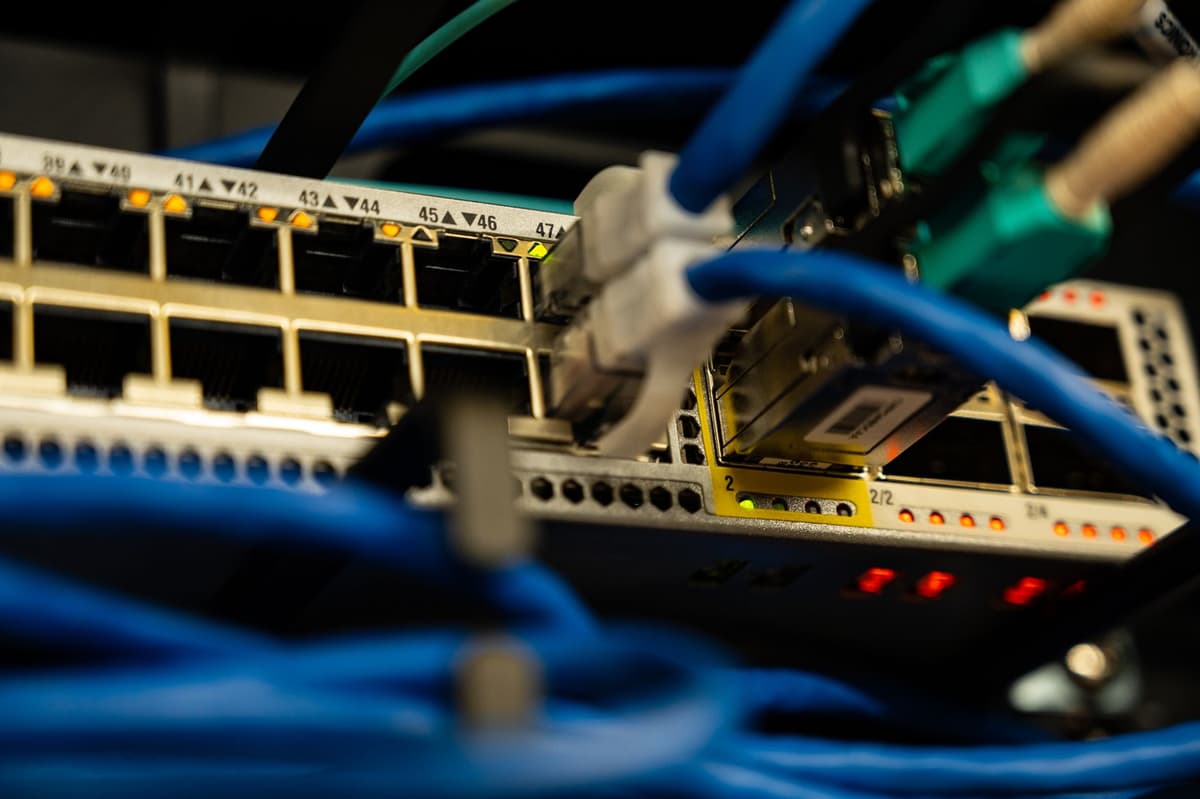
Photo by Brett Sayles on Pexels
The vulnerability of these devices is amplified by the fact that they are often managed by healthcare providers who lack the IT resources of a major tech firm. A nurse or a physician cannot be expected to audit the GitHub tokens of their diagnostic equipment. The responsibility lies entirely with the manufacturers, who have shown a recurring inability to police their own development environments. If a security camera used for patient monitoring can be compromised through a simple credential leak, we must assume that every connected device in the room is equally suspect.
Breaking the Legacy Cycle
Fixing this requires more than a patch; it requires a total overhaul of how medical hardware is certified. We need a 'Cybersecurity Bill of Materials' (SBOM) for every connected medical device, detailing every piece of software and third-party library included in the hardware. Without this transparency, hospitals are buying black boxes that could contain a dozen 'Trojans' in the form of outdated code or hidden administrative backdoors.
Furthermore, the liability for these breaches must shift. Currently, the hospital or the patient bears the brunt of a security failure, while the manufacturer issues a quiet firmware update and moves on. If a physical scalpel is dull or a medicine is tainted, there are clear legal and regulatory consequences. When a digital scalpel—a connected surgical robot or a remote monitor—is compromised due to basic negligence like hardcoded tokens, the consequences should be just as severe for the developer.
What This Actually Means
The 'Stethoscope in the Cloud' is no longer a futuristic concept; it is the current reality of modern medicine. But as this leak proves, the cloud is only as secure as the person holding the keys. When those keys are left taped to the front door, the entire premise of remote, high-tech care begins to crumble. We are trading physical proximity for digital risk, and currently, the risk is winning.
We must demand that medical devices be treated as critical infrastructure, not as consumer gadgets. This means mandatory third-party security audits, the elimination of hardcoded credentials by law, and a fundamental shift in engineering culture. If we do not address this systemic fragility now, the first death caused by a hardcoded token leak is not a matter of 'if,' but 'when.'
Quick Answers
What exactly was leaked in this incident?
Administrative GitHub tokens were found in the source code of security camera login pages, potentially allowing unauthorized access to private code repositories and internal systems.
Why is this a major risk for healthcare?
Many of these cameras are used in clinical settings for remote patient monitoring; a breach could allow attackers to view sensitive patient data or compromise the device's functionality.
How can hospitals protect themselves from these leaks?
Healthcare providers must demand a Software Bill of Materials (SBOM) from vendors and implement strict network segmentation to ensure IoT devices cannot access core hospital databases.


