
The Server That Cannot Sleep
Imagine a library that has been closed for twenty years, yet every morning, thousands of people still show up to the front door and scream the exact same question through the mail slot. This isn't a metaphor for government bureaucracy; it is the literal reality for the University of Wisconsin-Madison’s Network Time Protocol (NTP) server. For decades, this hardware has been bombarded by a relentless, nonsensical tide of traffic from all over the world, all because of a few lines of hardcoded instructions buried in the guts of cheap routers and forgotten motherboards.
I find myself wondering why we find this so fascinating. There is something haunting about a machine that is forced to keep a conversation going with millions of devices that don't even know why they are calling. It’s a digital haunting, a persistent echo of a decision made by a developer in a cubicle in 1999 who thought, "I'll just point the time sync to this university server for now." That 'for now' became a permanent, invisible monument of social and technical inertia.
The Accidental Monument of Netgear
The scale of this specific ghost is staggering. In the early 2000s, Netgear released a series of routers that had the UW-Madison IP address (128.105.39.11) hardcoded into the firmware. They didn't ask permission. They didn't set up a load balancer. They just pointed millions of consumer devices at a single university basement. At its peak, the university was seeing traffic bursts of 150,000 packets per second. This wasn't a coordinated attack; it was just a massive, unintentional collective shrug from a global manufacturing chain.
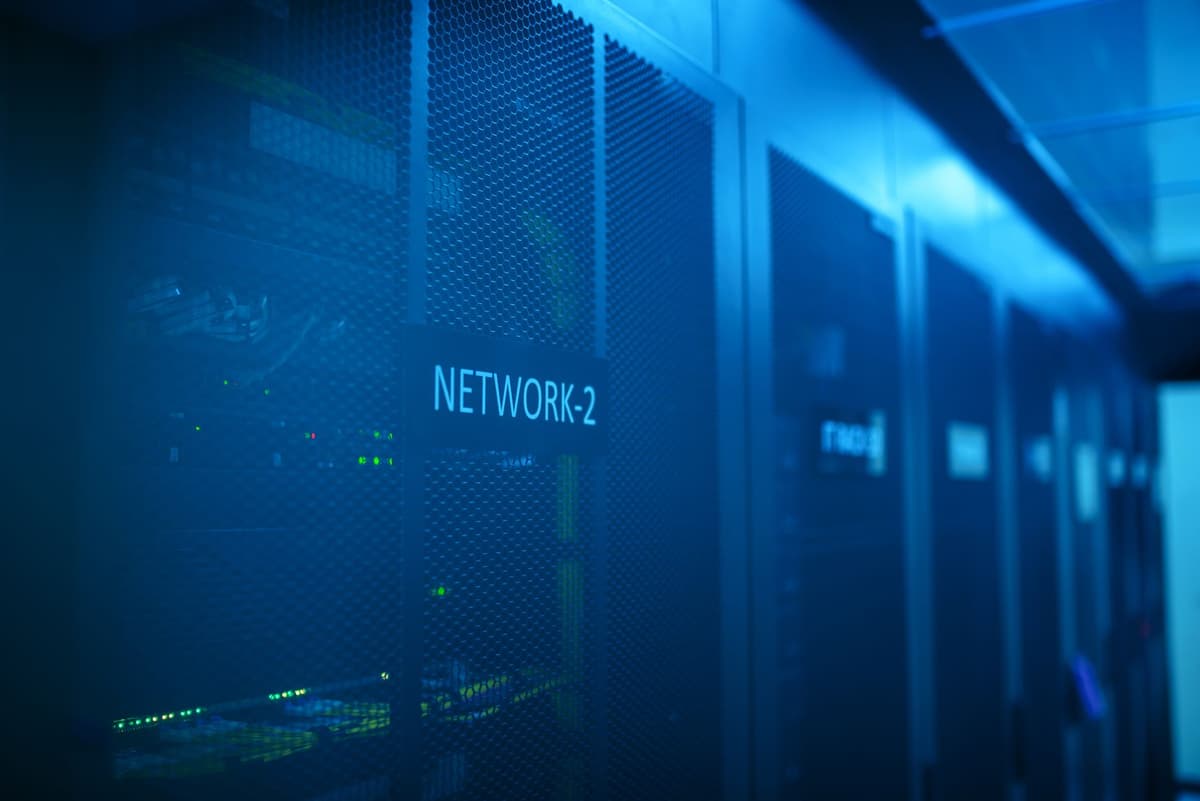
Photo by panumas nikhomkhai on Pexels
What strikes me is the sheer human cost of maintaining this accidental landmark. Engineers at UW didn't just turn the server off—they couldn't. If they did, those millions of routers would just keep retrying, potentially clogging the university's entire upstream pipe. Instead, a handful of humans have had to curate this digital ruin for twenty years, spending actual hours of their finite lives making sure a mistake from the Clinton era doesn't crash their modern research network. It’s a strange form of digital janitorial work, sweeping up the dust of a house that was supposed to be demolished decades ago.
Digital Desire Paths and the Path of Least Resistance
In urban planning, a "desire path" is that dirt trail through the grass where people actually walk, ignoring the paved sidewalk. The UW-Madison NTP influx is the internet's version of a desire path, but instead of grass being worn down, it's the silicon and the bandwidth of a public institution. Someone found a path that worked—a reliable server at a prestigious university—and everyone else followed until the path became a canyon. We see this everywhere in tech: we use tools not because they are the best, but because they are there and they haven't broken yet.
I wonder if this says something deeper about how we view the "cloud." We treat the internet as this ethereal, infinite resource, but it is actually built on top of very specific, very fragile physical locations. When you hardcode an IP address, you are effectively tethering your software to a specific piece of floor space in Wisconsin. You are making a bet that the university will exist, the power will stay on, and the admins will be kind enough to keep responding to your pings. It’s a weirdly intimate connection between a stranger’s router and a university’s utility closet.
The Psychology of the Unfixable
Why haven't we fixed this? The answer is usually that the cost of fixing it—recalling millions of old routers or forcing a firmware update that might brick them—is higher than the cost of just letting the university deal with the noise. We have collective blind spots for these types of legacy burdens. We accept that a certain percentage of our global infrastructure is just "junk noise," and we build bigger pipes to accommodate the trash rather than cleaning it up.
It makes me think about the other "ghosts" we live with. How many lines of code are you running right now that are only there to accommodate a bug from 1985? How much of our social behavior is just a reaction to an outdated "architectural flaw" in how we communicate? We are a species that excels at building on top of ruins rather than clearing them away. There is a certain beauty in that, a kind of geological layering of human intent, but it also means we are perpetually carrying the weight of our ancestors' shortcuts.
What This Actually Means
The Wisconsin NTP saga is a reminder that the digital world has no "delete" key for consequences. Every shortcut we take in the name of convenience has the potential to become a permanent fixture of the landscape. We are currently building the legacy systems of 2050, and I guarantee we are hardcoding "temporary" solutions right now that will eventually require some future engineer to spend their weekends managing the fallout.
We need to stop thinking of technology as a series of clean, disposable upgrades and start seeing it as a continuous, accumulating environment. The labor required to manage these digital desire paths is invisible, but it is real. When we ignore the maintenance of our legacy systems, we aren't saving time; we are just taking out a high-interest loan that someone else will have to pay back with their own attention and effort.
Ultimately, the server in Wisconsin is a mirror. It shows us that even in a world of high-speed fiber and AI, we are still tethered to the small, hasty decisions of the past. It invites us to be a bit more intentional, or at the very least, to have some sympathy for the people who have to keep the ghosts happy so the rest of us can stay on time.
Quick Answers
Is the Wisconsin NTP server still under 'attack' today?
Yes, though 'attack' is the wrong word; it's more like a permanent, global background hum of millions of devices that still have that specific IP address burned into their brains.
Why doesn't the university just change their IP address?
They could, but the traffic wouldn't stop; it would just hit the university's routers at the edge of the network, potentially causing even more chaos than just letting a dedicated server handle the requests.
Has Netgear ever apologized or paid for the bandwidth?
They eventually reached a settlement with the university in 2003, providing some funding to help manage the traffic, but the 'phantom' requests continue because the hardware is still out there in the wild.


