Wendell Berry spent his entire life arguing that you cannot love an acre of topsoil through a spreadsheet. Now that he is gone, the venture capital ecosystem has stepped forward to generously clarify that his poetic defense of patience was simply an unmonetized carbon credit waiting for an API. It turns out the agrarian soul didn't need generational care after all; it just needed a seed round.
For more than five decades, Berry stood on a hillside in Henry County, Kentucky, stubbornly insisting on limits. He argued that farming is a cultural act bounded by biology, geography, and human humility. That sort of quaint, localized friction is deeply offensive to an investment class that views the periodic table as an inefficient draft. So, naturally, the regenerative agriculture movement has decided the best way to honor an anti-industrial icon is to industrialize his vocabulary.
The Disruptors Discover Dirt
Around 2018, pitch decks began circulating in San Francisco featuring high-resolution photos of weathered hands holding dark compost. The accompanying text invariably promised a "paradigm shift in biocapital." The idea was simple: soil absorbs carbon, carbon offsets can be packaged into derivatives, and therefore farmers can finally stop worrying about crops and start functioning as low-margin sub-contractors for airline conscience-clearing.
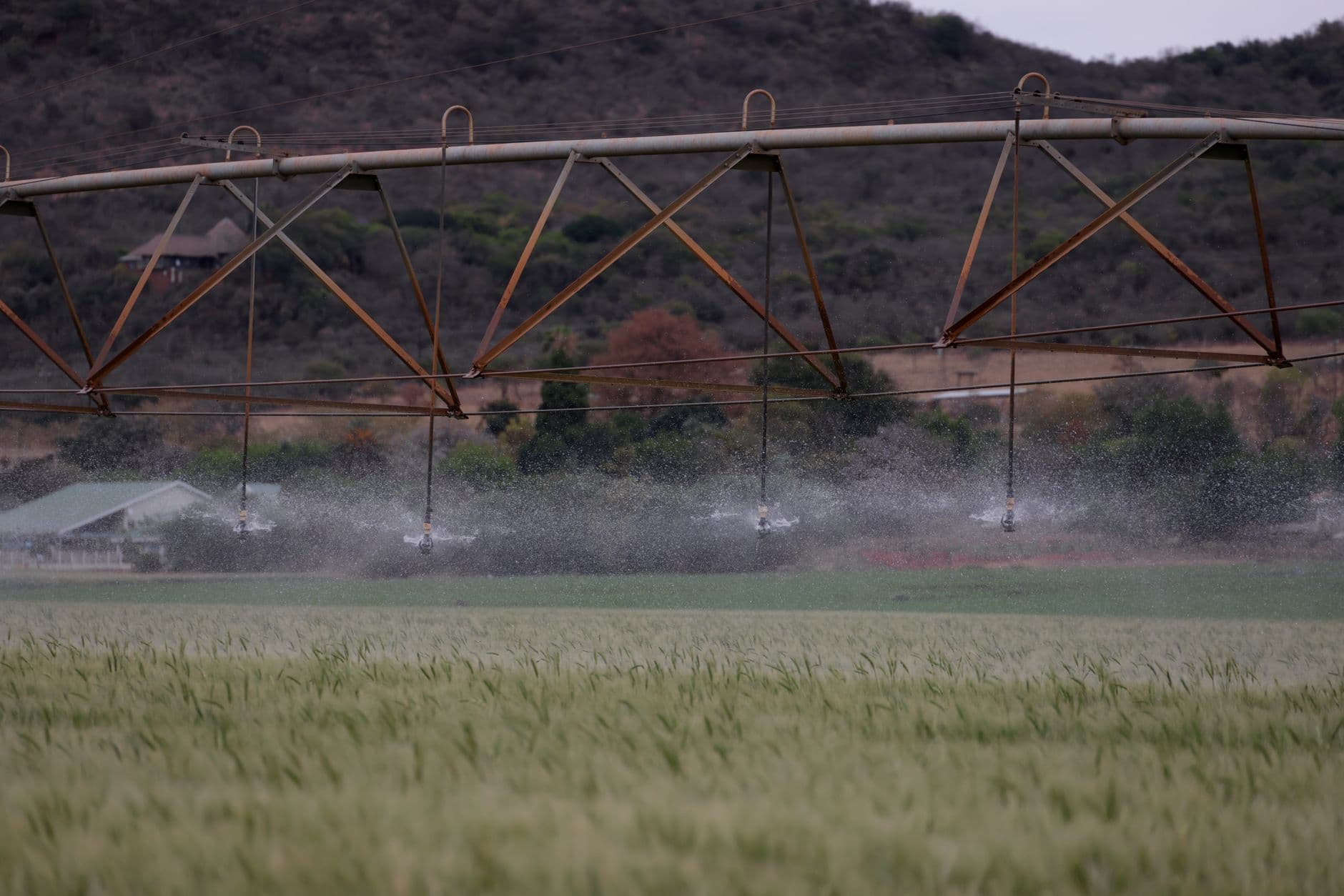
To make this vision reality, you need sensors. Millions of dollars in internet-of-things probes now sit plunged into Midwestern dirt, transmitting real-time moisture telemetry to dashboards in Austin. The soil is no longer a community of organisms; it is a balance sheet with an earthworm problem.
- Pitch an old farmer on cover crops to prevent erosion, and he calls it standard stewardship.
- Pitch a private equity fund on "algorithmic multi-species ground cover for soil carbon capture," and suddenly you have a $45 million Series B.
- Rename a manure spreader a "nutrient delivery vector" and you can charge enterprise subscription pricing.
Photo by Sam McCool on Pexels
It is an awe-inspiring machine. We took Berry's core thesis—that treating land as an industrial extraction machine ruins the land and the human spirit—and concluded that the problem was merely a lack of edge computing.
Solving the Wendell Berry Inefficiency Problem
Berry wrote famously about "the sacred limit" of the acre. His argument was straightforward to the point of irritation: a human being can only understand, care for, and responsibly steward a finite amount of ground. Scale destroys affection. Scale demands blunt instruments, synthetic substitutes, and the erasure of local memory.
The modern climate-tech incubator agrees that scale destroys affection, but questions why anyone would budget for affection in the first place.
Take the $2 billion carbon-farming offset market projected to balloon over the next decade. For these financial instruments to trade at volume, soil biology must behave like an AWS server. It must yield predictable, frictionless, fungible metrics. If an acre of Kentucky clay does not sequester carbon at the exact same algorithmic rate as an acre of Iowa loam, the derivatives market experiences what the quants politely call "volatility."
So the techno-agrarian solution is obvious. You do not adapt the machine to the land. You standardise the land until it fits the model. Berry called that ecological violence. Wall Street calls it removing friction from the asset class.
The High-Tech Return of Absentee Landlords
Under the cover of "saving the planet," the new regenerative movement has managed to resurrect one of the oldest agrarian nightmares: absentee ownership. Only now, the landlord isn't a regional railroad baron; it is an algorithmic holding company that buys up tens of thousands of acres to optimize them for carbon yields while leasing the topsoil back to the locals at a margin.
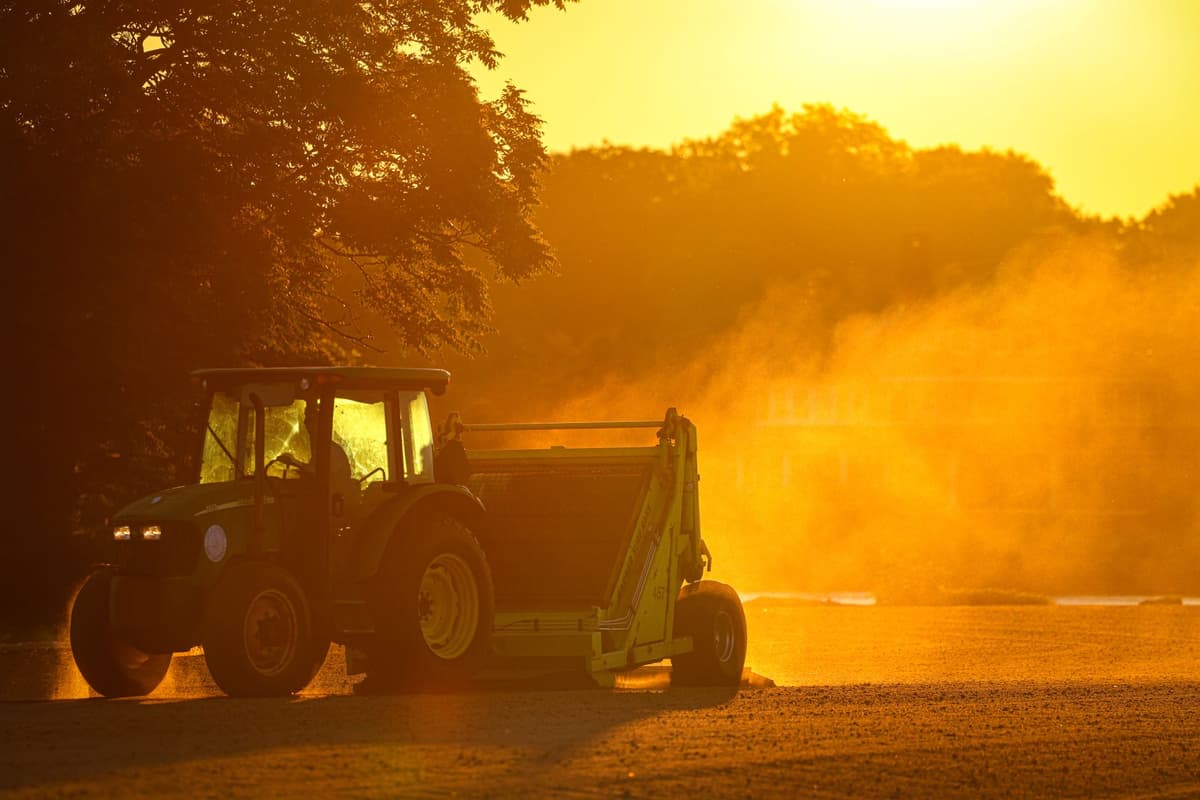
Photo by David Kanigan on Pexels
Consider the operational reality for an actual human working this ground. You no longer walk the perimeter to see how the creek bank holds after an April storm. A satellite ping informs you that your biomass density fell into the fourteenth percentile, triggering a penalty clause in your climate-smart commodity contract.
- The corporate platform dictates the seed mix based on carbon-indexing models.
- The autonomous tractor follows pre-rendered GPS coordinates to maximize ground cover.
- The farmer supplies the diesel, the physical labor, and the liability.
This is hailed as a breakthrough in climate resilience. Berry spent the 1970s pointing out that agricultural industrialization replaces people with petroleum; our contemporary innovation is replacing the remaining people with liability sponges who manage sensors for companies headquartered four states away.
What This Actually Means
The pivot happening right now in agriculture is not between "chemical farming" and "green farming." It is between two fundamentally incompatible views of what the earth is.
One view, the one Berry articulated in dozens of essays nobody in power bothered to follow, says that land is a living community with hard limits that humans must bend themselves to accommodate. The other view says that land is hardware, biological processes are software, and ecological collapse is merely a system bug that can be patched with sufficient venture funding and synthetic biology.
The techno-agrarians will win this fight in the short term, because their philosophy produces tidy quarterly reports and Berry's philosophy only produces topsoil, communities, and dinner. But soil is remarkably indifferent to capitalization tables. When the sensor batteries die and the carbon credit prices crash, the dirt will still be right where we abused it, waiting for someone who knows how to hold a spade.
Quick Answers
Did Wendell Berry oppose all modern technology in farming?
No. He opposed technology that replaced human care with mechanical carelessness, specifically tools designed to increase the scale of an operation beyond a farmer's capacity to pay attention.
Is carbon-sequestration farming inherently bad?
The biology of storing carbon in soil is sound, but financializing it into tradable corporate offsets creates structural incentives to prioritize data compliance over actual farm health.
Can small-scale regenerative farming survive without tech platforms?
Yes, and it did so for generations before Silicon Valley realized topsoil could be branded as a climate solution.


