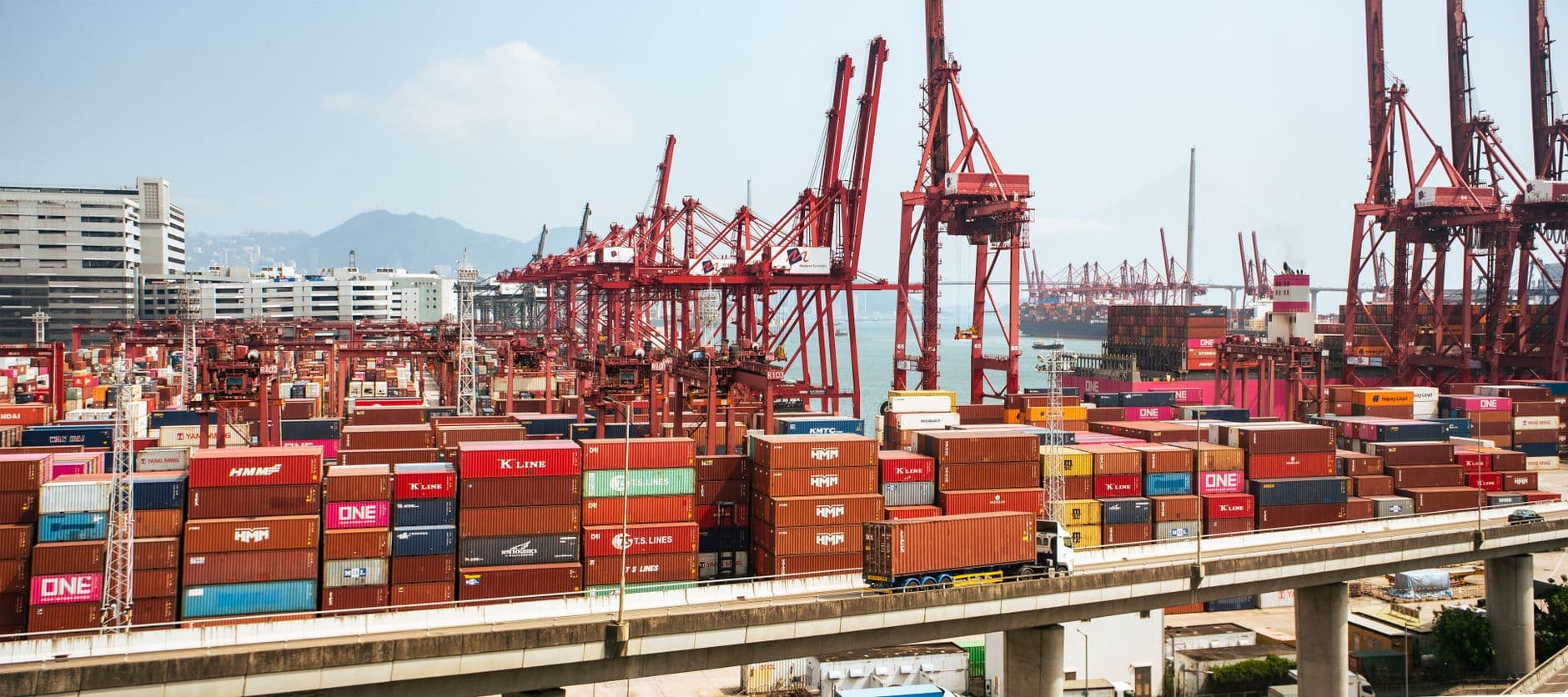
The Great White Logistics Revolution
If you want to understand the modern economy, stop looking at the S&P 500 and start looking at a Peruvian hillside. We are currently witnessing a productivity miracle that would be the envy of any Fortune 500 CEO, provided that CEO was comfortable with a business model that occasionally involves literal submarines and a high probability of federal prison. The cartels have moved past the 'guy with a machete' phase of production and entered the era of the 'Super-Efficient Super-Leaf.' This isn't your grandpa’s disco powder; this is industrialized, high-yield, space-optimized agriculture that makes Monsanto look like a community garden project run by toddlers.
Production has absolutely exploded, yet the price of a gram remains as stubbornly stable as a Costco rotisserie chicken. In any normal market, this level of oversupply would lead to a price crash, leaving dealers desperately offering 'Buy One, Get Three Free' Memorial Day blowouts. But it hasn't happened. The cartels have essentially built a 'Just-In-Time' inventory system so sophisticated it makes Toyota’s manufacturing line look like a game of Mouse Trap played by drunk squirrels. They aren't just selling drugs; they are managing a global commodity index with the precision of a Swiss watchmaker who has had way too much of his own product.
Lab Coats and Machetes
The secret sauce—besides, you know, the actual chemicals—is a new breed of 'space-efficient' coca strains. Think of it as the Genetically Modified Organism of the underworld. Growers have developed plants that produce more alkaloids per square inch, effectively turning a small patch of jungle into a high-output factory. It’s the same logic behind why your iPhone keeps getting thinner while holding more data, except instead of better photos of your cat, the end product is a substance that makes people talk about their screenplay ideas for six hours straight.

Photo by Yaroslav Shuraev on Pexels
This agricultural breakthrough is paired with industrialized processing centers that look less like 'Breaking Bad' trailers and more like high-end pharmaceutical labs. They’ve streamlined the extraction process to the point where waste is nearly non-existent. We’re talking about a 20% to 30% increase in efficiency over the last few years. If a legal company like Ford managed that kind of production spike, the CEO would be on the cover of Forbes, probably wearing a turtleneck and looking thoughtfully into the middle distance. Instead, these guys are just quietly making sure that the global supply of 'confidence in a baggie' never hits a snag.
The Paradox of the $100 Gram
Economics 101 tells us that when supply goes up and demand stays the same, prices should drop faster than a lead balloon in a vacuum. Yet, cocaine prices have stayed remarkably flat for decades. This is the 'Cocaine Paradox.' It turns out that when you run a vertically integrated monopoly with no regulatory oversight and a very aggressive HR department, you can manipulate the market in ways that would make a hedge fund manager faint. They aren't just dumping product on the street; they are carefully dripping it into new markets like Europe and Asia, expanding their 'customer base' with the calculated precision of a Netflix global rollout.
They have mastered 'inventory management' by using a network of warehouses and transit hubs that spans continents. If there’s too much product in Miami, they just pivot to Rotterdam. It’s a masterclass in diversification. They are essentially the Amazon Prime of illicit substances, minus the blue vans and the annoying habit of leaving packages behind your trash can. When you realize that they’re managing a multi-billion dollar global supply chain while being hunted by every three-letter agency on the planet, you kind of have to respect the hustle. It’s like playing a game of Tetris where the blocks are worth $30,000 and the 'Game Over' screen is a 40-year sentence in ADX Florence.
What This Actually Means
The reality is that the 'War on Drugs' is trying to fight a 21st-century hyper-corporation with 20th-century police tactics. You can't stop a supply chain that is more adaptable than the virus it's trying to cure. As long as the cartels keep innovating their agricultural tech and logistics software, the 'supply' side of the equation is basically solved. We are living in the era of the 'Commodity of Chaos,' where efficiency has outpaced enforcement by a country mile.
This isn't just about drugs; it's a terrifyingly clear look at how global trade works when you strip away the lawyers and the safety inspections. It’s pure, raw capitalism, refined in a jungle lab and shipped via submersible. If these guys ever decided to go legit and start a shipping company, FedEx would be out of business in six months, and we’d all have our packages delivered by guys who are remarkably good at avoiding radar.
Ultimately, the stability of the street price is a testament to the fact that the cartels have achieved something most CEOs only dream of: a perfectly controlled global market. They’ve turned a chaotic illicit trade into a boring, predictable, high-margin utility. It’s not just a drug trade anymore; it’s the world’s most efficient, most dangerous, and most profitable logistics firm. And they don't even charge for shipping.
Quick Answers
Why hasn't the price dropped if there is so much more cocaine?
Cartels are master market manipulators who expand into new territories like Europe to soak up the extra supply, keeping the 'traditional' markets stable.
What makes the new coca plants 'better'?
They are bred for higher alkaloid content and faster growth cycles, allowing for much more 'product' to be grown on the same amount of land.
Is this really like Amazon?
In terms of logistical complexity and 'just-in-time' delivery, yes, though Amazon generally frowns upon using semi-submersible vessels for the final mile of delivery.


