
Hardware was supposed to be the immutable ground truth beneath our software vulnerabilities. For decades, the tech industry operated under a quiet assumption: write terrible, buggy code if you must, but trust that the silicon executing it behaves exactly as specified. That assumption is crumbling. The rapid rush toward RISC-V across consumer electronics—from wearable fitness trackers to smart home hubs—is trading verified security models for license-free autonomy, and the bill is coming due.
We are watching the hardware industry repeat every single software mistake of the 1990s at a microarchitectural scale. The allure is obvious. When Arm charges millions in upfront licensing fees alongside royalties per unit shipped, an open-standard instruction set architecture feels like liberation. Over 10 billion RISC-V cores shipped by 2022, and projections show that figure climbing past 16 billion in 2025. But open specifications do not guarantee secure implementations, and conflating the two is an engineering catastrophe in the making.
The Fallacy of Many Eyeballs in Hardware
Software engineers love the Linus's Law adage: given enough eyeballs, all bugs are shallow. It worked for the Linux kernel because anyone with a laptop can clone a git repository, write a patch, compile it, and test it in thirty seconds. Hardware does not work that way.
Validating an open silicon design requires specialized knowledge, proprietary electronic design automation (EDA) software suites that cost upwards of $50,000 per seat, and physical access to tape-outs. The crowd of auditors everyone assumes is inspecting these open cores simply does not exist.
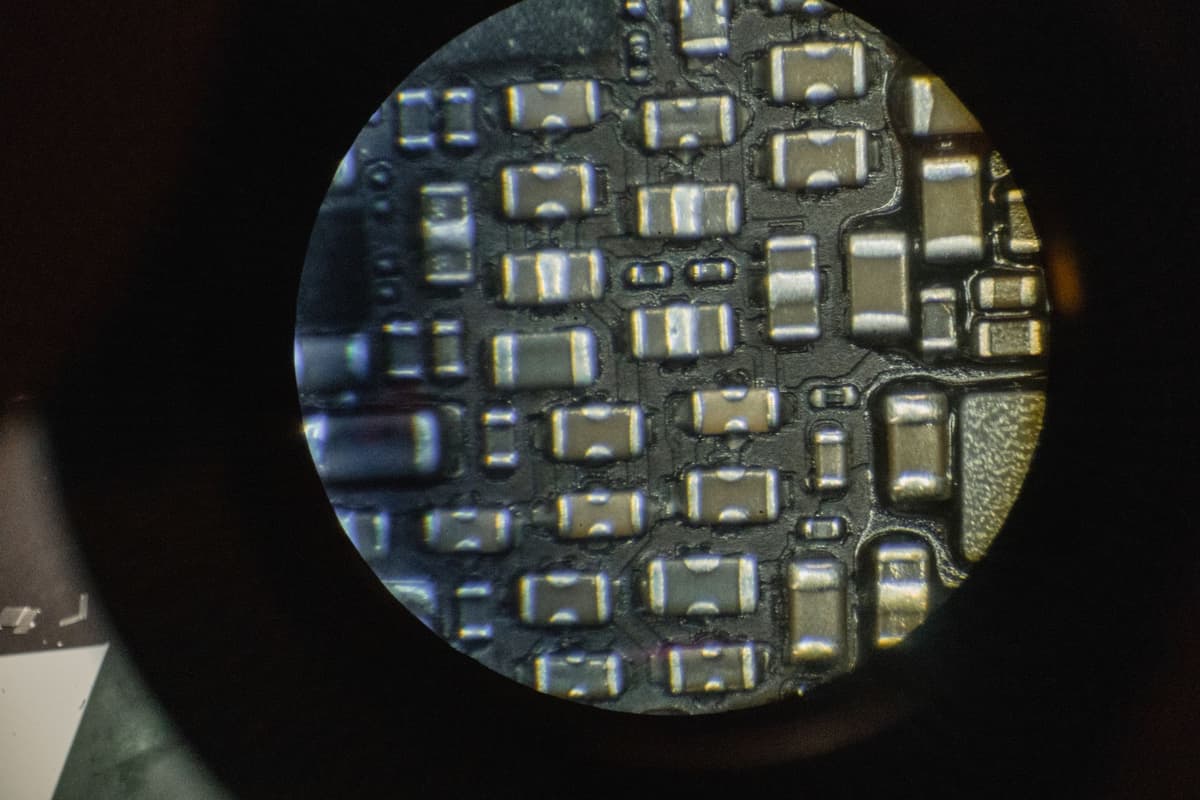
Photo by Tima Miroshnichenko on Pexels
What we actually have is a fragmented ecosystem where hundreds of boutique hardware vendors take the baseline RISC-V instruction set, add proprietary extensions to squeeze out extra battery life for a $40 smartwatch, and ship the product with zero independent security verification. An instruction set architecture is not an implementation; it is merely a vocabulary. You can speak a flawless dialect while whispering state secrets to unauthorized processes through cache timing channels.
The Supply Chain Problem We Refuse to Name
When a proprietary chip vendor like Apple or Qualcomm discovers a microarchitectural flaw, they control the entire vertically integrated pipeline. They can roll out microcode patches, coordinate unified OS updates, and alter physical masks for the next fabrication run. RISC-V deliberately decentralizes this structure, and in doing so, shatters the accountability model.
Consider what happens when a vulnerability analogous to Spectre or Meltdown hits an open-source core design:
- The original architectural committee cannot issue a universal patch because the flaw exists within custom execution pipelines designed by third parties.
- The intermediate vendor who assembled the system-on-a-chip (SoC) may have gone out of business or moved on to another low-margin device.
- The consumer gadget manufacturer lacks the in-house engineering talent to write microcode fixes, leaving the physical device permanently exploitable.
- The end consumer remains completely unaware that the ambient sensor on their living room wall has become an unpatchable network foothold.
State-sponsored actors and organized extortion groups do not need to discover zero-days in your operating system when they can exploit hardware race conditions that hardware vendors cannot update over the air. In an era where consumer gadgets routinely bridge local home networks to enterprise VPNs, an insecure microarchitecture is a permanent back door.
Custom Extensions and the Dilution of Verification
The genuine utility of RISC-V is its modularity. Designers can take a tiny base integer instruction set and tack on custom accelerators for machine learning inference, image processing, or cryptography. Yet every custom extension introduced into an execution unit introduces undefined hardware states.
Modern side-channel attacks thrive in undefined states. When speculative execution, out-of-order execution, and shared cache buffers meet non-standardized proprietary extensions, the mathematical formal verification of the core becomes functionally impossible.
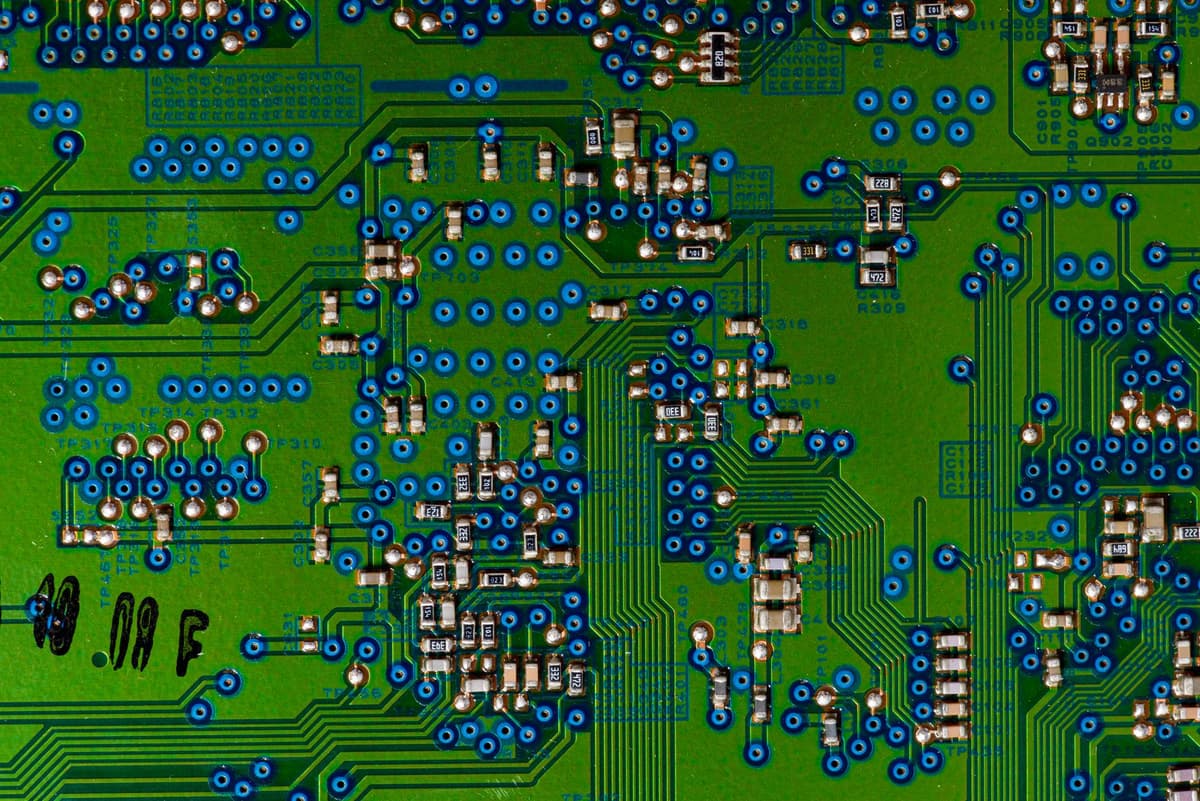
Photo by Júlio Riccó on Pexels
Silicon is physical, permanent, and unforgiving. When software fails, we push an update at midnight. When silicon fails, the only genuine fix is a sledgehammer and a trip to the recycling bin. Rushing an open architecture into critical consumer hardware without enforceable, centralized security verification standards was not an act of democratization. It was a failure of risk assessment.
The Cost of True Autonomy
Open hardware is not inherently bad, but the current implementation strategy is reckless. The economics of consumer hardware incentivize cutting corners on verification; margins are thin, delivery timelines are unforgiving, and consumers do not evaluate the transient execution security of their smart thermostats before buying them.
If the RISC-V ecosystem wants to move beyond low-cost, disposable microcontrollers into high-performance consumer hardware, it must establish independent, well-funded testing labs with the power to revoke compliance certifications. Transparency without verification is just a blueprint for an attack.
Until the industry treats hardware security with the same rigorous scrutiny applied to mission-critical cryptography, open-source silicon will remain an unvetted playground for whoever decides to audit the execution pipeline first. Right now, those auditors are not the defenders.
Quick Answers
Does RISC-V inherently contain more security bugs than x86 or Arm?
No, the instruction set itself is just a standard. The risk comes from fragmented, low-budget physical implementations by third-party vendors who do not thoroughly test their custom silicon for side-channel leaks.
Can hardware vulnerabilities in RISC-V devices be fixed with software updates?
Rarely. While some complex processors support microcode updates, many low-power consumer RISC-V chips have fixed logic, meaning microarchitectural flaws cannot be patched once fabricated.
Why are consumer device manufacturers switching to RISC-V despite these risks?
Cost and geopolitical autonomy. RISC-V eliminates expensive licensing fees and avoids the trade restrictions tied to proprietary Western intellectual property.


