Let's be blunt: the public reconstruction and hosting of Stuxnet's source code on platforms like GitHub is a profoundly destabilizing development. What was once a highly specialized, multi-million dollar, multi-year project by state-level intelligence agencies has been reverse-engineered, dissected, and laid bare for anyone with an internet connection. This isn't academic curiosity; it's effectively providing a 'modular blueprint' for industrial sabotage.
Stuxnet, if you need a reminder, was the sophisticated worm that crippled Iranian centrifuges a decade ago. It wasn't just malware; it was a physical attack delivered digitally, causing actual machines to tear themselves apart. Its complexity, its ability to lie dormant, its precision in targeting specific Siemens PLCs — all of it made it an outlier, a testament to what nation-states could achieve. That exclusivity, however, is now gone. The digital genie is not just out of the bottle; it's been given a user manual and a public forum.
The Democratization of Destruction
Historically, developing a cyber-weapon of Stuxnet's caliber required immense resources: highly specialized engineers, intelligence-gathering capabilities, extensive testing environments, and significant funding. This naturally limited its creators to a handful of advanced nation-states. The barrier to entry was practically insurmountable for non-state actors. That era is definitively over.
With the reconstructed code available, a determined group or even a highly skilled individual no longer needs to invent these attack vectors from scratch. They can study the logic, understand the vulnerabilities Stuxnet exploited in SCADA systems, and adapt its core components. Imagine a scenario where a small, decentralized actor group with a fraction of the budget of a state intelligence agency can now leverage this knowledge. It fundamentally shifts the power dynamics, placing sophisticated destructive capabilities into far more hands.
This isn't just about copying and pasting. It's about learning the methodology. Stuxnet demonstrated a specific kind of 'source-code archaeology' that reveals how to manipulate industrial control systems, how to hide malicious code within legitimate processes, and how to create a digital weapon that causes physical damage. This knowledge is now part of the public domain, a detailed instruction manual for targeting critical infrastructure worldwide.
SCADA Systems: A Lingering Vulnerability
The systems Stuxnet targeted, Supervisory Control and Data Acquisition (SCADA) systems, remain notoriously vulnerable. Many of them operate on legacy software, often with outdated security protocols, and are designed for reliability and uptime rather than robust cybersecurity. They are the operational heart of power grids, water treatment plants, manufacturing facilities, and transportation networks.
These systems were never built with the expectation that blueprints for sophisticated cyber-physical attacks would be openly circulating. The original Stuxnet exploit, targeting vulnerabilities in Siemens' Step7 software for PLCs (Programmable Logic Controllers), highlighted a glaring weakness in industrial control architectures. While some patches have been issued, the sheer volume of legacy systems globally means a significant attack surface persists.

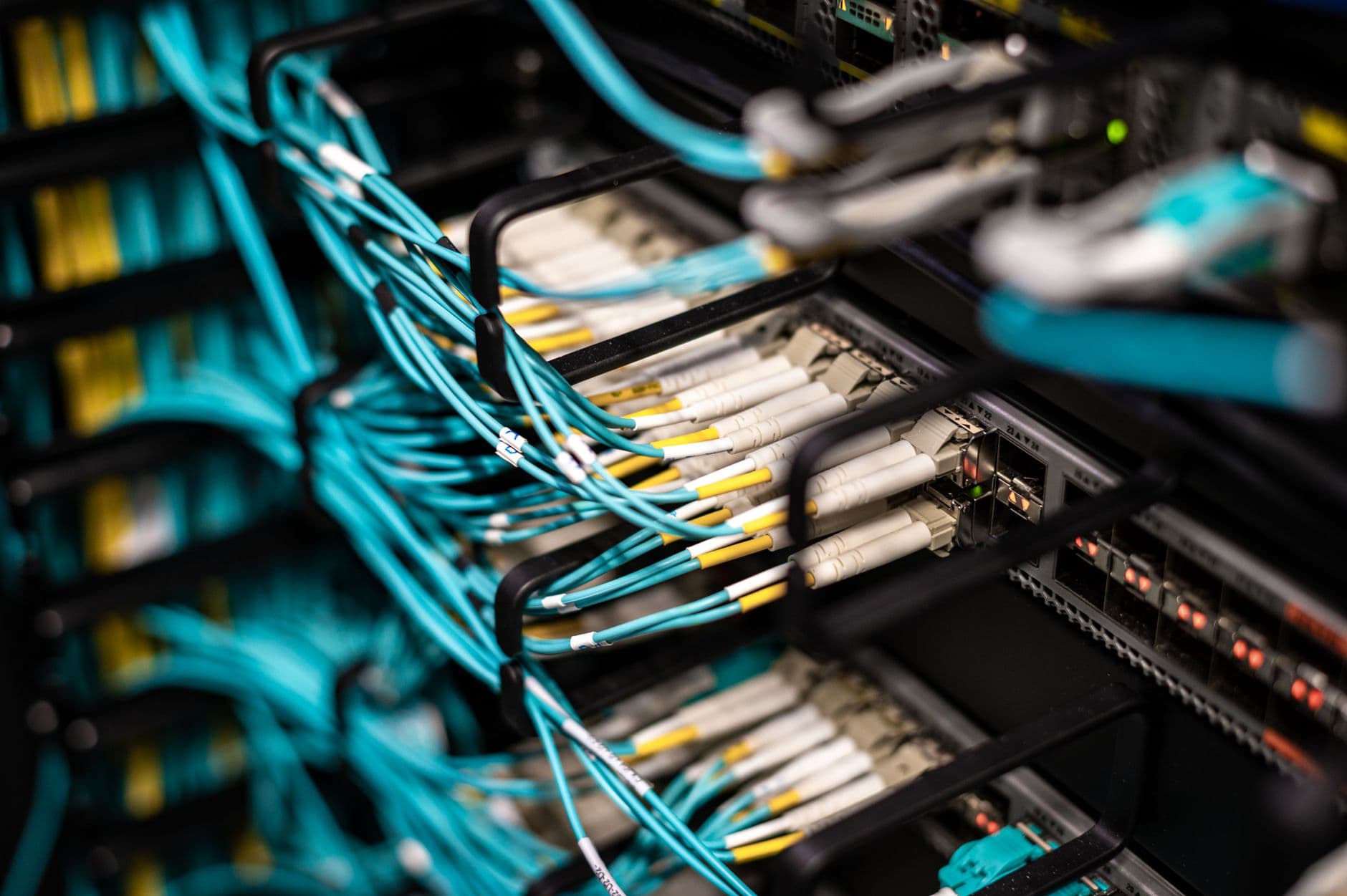
Photo by Ibrahim Boran on Pexels
The problem is compounded by the fact that many of these systems are interconnected, sometimes even to the internet, for remote monitoring and management. Each connection point is a potential vector. Stuxnet's initial spread via infected USB drives might seem old-fashioned now, but the fundamental principle of gaining initial access to an isolated industrial network remains a critical challenge for defenders.
The Inevitable Proliferation
We are now in an era where the 'recipe' for advanced cyber-physical attacks is not just theorized but practically demonstrated and openly shared. This proliferation is not a matter of 'if,' but 'when' and 'how often.' The motivation for such attacks can range from state-sponsored retaliation to ideological terrorism, or even financially motivated extortion.
Think about the implications for national security and economic stability. A successful attack on a regional power grid could cause widespread blackouts, disrupting emergency services, commerce, and daily life for millions. A hack of a water treatment facility could contaminate public water supplies or shut down access entirely. The potential for chaos and harm is immense and immediate.
This isn't merely about protecting data; it's about protecting physical safety and societal function. The shift from abstract cyber threats to concrete physical consequences is stark, and the open availability of Stuxnet's core logic accelerates this dangerous trend. It demands a fundamental re-evaluation of how we secure critical infrastructure, moving beyond traditional IT security to a more integrated, resilient, and proactive defense strategy.
What This Actually Means
The open-source Stuxnet code isn't just a technical curiosity; it's a stark warning about the evolving landscape of cyber warfare. We have crossed a threshold where the tools once exclusive to the most powerful nations are now within reach of a much wider array of actors. This significantly lowers the barrier to entry for causing widespread, tangible harm to physical infrastructure.
It means that the threat is no longer theoretical or confined to the geopolitical chess match between states. It is decentralizing, becoming more unpredictable, and potentially more frequent. Our critical systems, many of which are already fragile and outdated, are now exposed to a broader and more diverse set of adversaries. The time for complacency about industrial control system security is long past. We are operating with a publicly known exploit for the very systems that underpin our modern world.
Quick Answers
Q: Is Stuxnet's exact code being used to attack systems now?
A: Not directly, in most cases. However, the reconstructed source code provides a modular blueprint and deep insights into how to target and manipulate industrial control systems, making it easier for new, derivative cyber-weapons to be developed.
Q: What exactly is SCADA?
A: SCADA stands for Supervisory Control and Data Acquisition. These are industrial control systems used to monitor and control physical processes in critical infrastructure like power plants, water treatment facilities, and manufacturing plants.
Q: Who is responsible for securing these critical systems?
A: Responsibility is shared between government agencies that set standards and regulations, and the private companies that own and operate the critical infrastructure itself. It requires significant collaboration and investment from both sides.
Q: Does this mean any hacker can now take down a power grid?
A: While the barrier to entry has lowered, successfully executing a Stuxnet-level attack still requires significant skill, resources, and specific knowledge of the target system. However, the public code significantly reduces the research and development phase for malicious actors.


