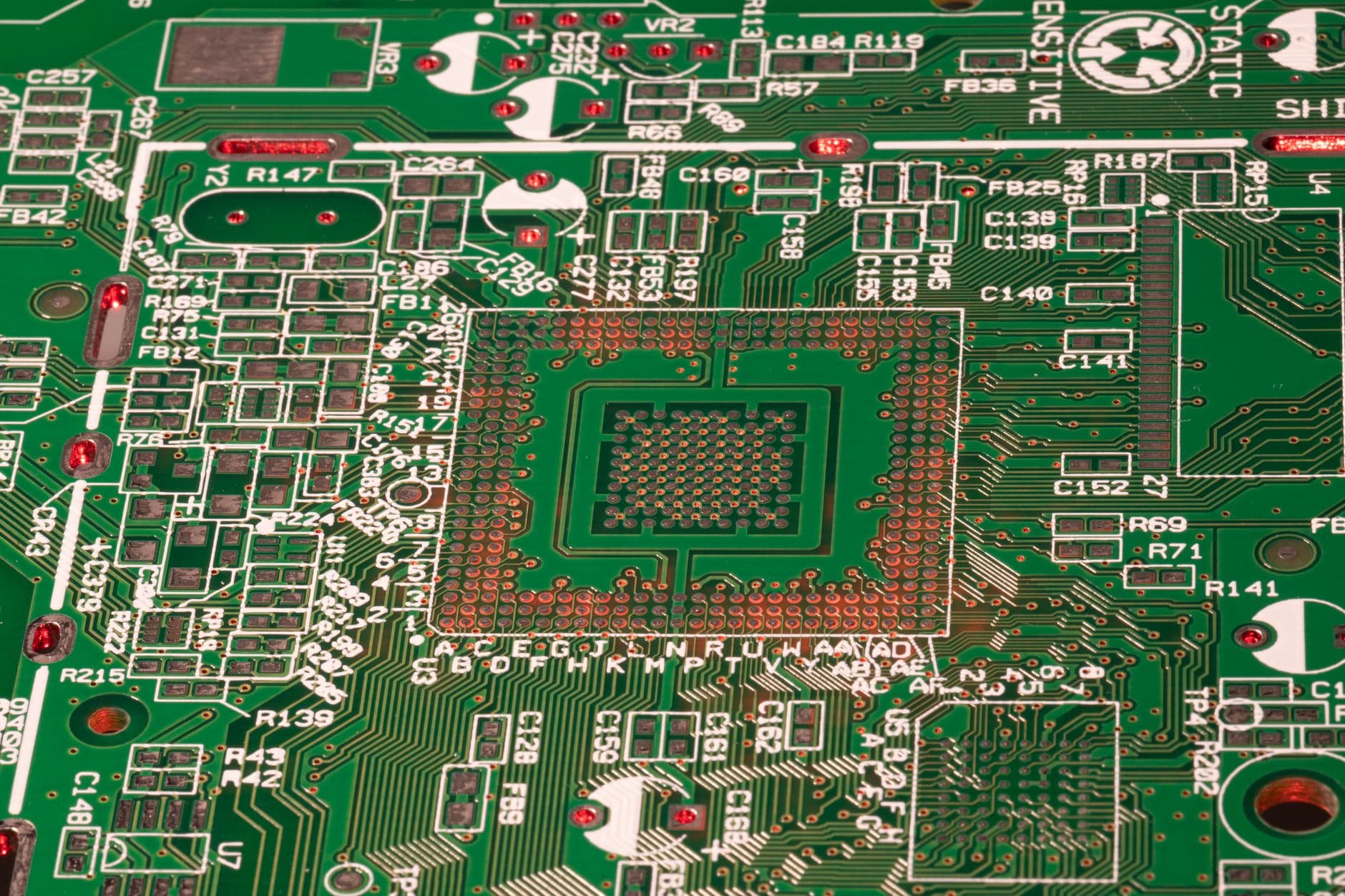
Digital security has long relied on the assumption that the internal state of a processor is a black box, shielded by layers of physical packaging and logical abstraction. The recent demonstration of 'Invisible Flashlight' attacks against the Raspberry Pi RP2350—a chip designed with explicit security features like Arm TrustZone—shatters that illusion. By observing the infrared light naturally emitted by transistors during switching, researchers can now time laser pulses with surgical precision to flip bits and bypass security checks. This is not a software bug that a patch can rectify; it is a physical reality of semiconductor physics being weaponized against the user.
The Transparency of Silicon
Every time a transistor on a chip switches state, it emits a microscopic amount of near-infrared light. In the context of a high-performance microcontroller like the RP2350, these emissions are a direct, real-time map of the chip’s internal logic. While this phenomenon has been known in failure analysis labs for decades, its application as a guiding system for Fault Injection (FI) is a watershed moment for hardware hacking. Attackers no longer need to guess when to strike; the chip tells them exactly when the critical security comparison is happening.
This technique, known as Photon Emission Analysis, allows an adversary to synchronize a laser hit to a specific clock cycle. In the case of the RP2350, this has been used to bypass secure boot—the very mechanism intended to ensure that only authorized code runs on the device. When a $5 chip used in everything from smart home hubs to industrial controllers can be compromised by its own thermal signature, the industry must reckon with the fact that 'secure' hardware is often anything but.
Photo by Miguel Á. Padriñán on Pexels
The Death of the Air Gap
We have historically treated air-gapped or offline devices as the gold standard for sensitive data storage. The assumption was that if a device never touches a network, its keys are safe from remote extraction. Laser fault injection changes the calculus of physical proximity. An attacker with momentary physical access—or even a sophisticated setup involving long-range optics—can extract cryptographic keys by inducing faults that cause the chip to 'leak' its secrets through its output pins or power consumption profiles.
This vulnerability is particularly jarring because the RP2350 was marketed as a step up in security for the hobbyist and professional markets alike. It features hardware-based SHA-256 acceleration and a secure bootloader. Yet, these logical defenses are bypassed by a physical attack that operates on a layer the software cannot see. It highlights a recurring failure in the tech industry: we are building increasingly complex digital fortresses on top of physical foundations that are inherently leaky.
A New Standard for Consumer Trust
The economic implications of this discovery are significant. The RP2350 is a high-volume part. It is integrated into the supply chains of countless small-scale manufacturers and consumer products. Unlike a software vulnerability in a web browser, a hardware flaw of this nature is permanent. You cannot 'download' a fix for the way a transistor emits light or how a laser disrupts a logical gate. This forces a difficult choice upon manufacturers: recall the hardware, or accept that the security claims of the product are effectively void.
- Physical Access is Total Access: This mantra has moved from a theoretical warning to a demonstrated reality for low-cost silicon.
- The Cost of Attack is Dropping: While the equipment for laser fault injection was once the province of nation-states, the democratization of hardware hacking tools is putting these capabilities into the hands of a much broader range of actors.
- Design for Failure: Engineers must begin designing chips under the assumption that the physical state will be observed and manipulated.
What This Actually Means
The 'Invisible Flashlight' is a warning shot for the entire semiconductor industry. It proves that logical isolation is insufficient if the physical medium remains expressive. As we move toward a world where every household object contains a microcontroller, the surface area for these physics-based attacks grows exponentially. We are currently living through a period where our defensive capabilities are being outpaced by the ingenuity of physical side-channel analysis.
For the consumer, this means a recalibration of trust. A 'Secure Element' is only secure until the light it leaks is correlated with the data it processes. Moving forward, the industry must prioritize hardware-level countermeasures—such as metal shielding layers and randomized timing—as standard features rather than luxury additions. Until then, the most sensitive parts of our digital lives remain visible to anyone with the right lens and a steady pulse of light.
Quick Answers
Can this be fixed with a firmware update?
No. Because the vulnerability stems from the physical properties of the silicon and how it reacts to light, it cannot be patched through software.
Does this affect every Raspberry Pi?
This specific research focused on the RP2350 chip; however, the underlying principle of photon emission applies to almost all modern semiconductors to varying degrees.
Is my personal data at risk right now?
Unless an attacker has physical access to your device and high-end laboratory equipment, the immediate risk is low, but the long-term integrity of the device's security is compromised.