The Weight of a Handshake
There is something almost romantic, in a cold and calculated way, about the Dutch central bank (DNB) deciding that the Federal Reserve Bank of New York just isn't the right place for their treasure anymore. We live in an era where trillions of dollars move across the planet via fiber-optic cables in milliseconds, yet here we are, loading heavy yellow bricks onto planes and ships. It makes me wonder why, in a world of instant liquidity, the most sophisticated financial minds are suddenly obsessed with the physical location of a metal that mostly just sits there.
Moving gold is an expensive, paranoid, and logistically nightmarish endeavor. You don't just call a courier service for 189 tons of bullion worth billions of dollars. You need specialized security, insurance that would make a billionaire sweat, and a destination that can withstand a siege. The Dutch are moving their share to the Camp New Amsterdam military site in Zeist. They aren't doing this because New York is inefficient; they're doing it because they’ve realized that 'trust-as-a-service' only works when the weather is nice.
Why Now is the Golden Question
I keep looking at the timeline of global trust, and it’s fraying at the edges. For eighty years, the world operated on the assumption that if you left your stuff in Uncle Sam’s basement, it was as good as being in your own. But the Dutch are now keeping 31% of their gold in the Netherlands, up from just 11% a few years ago. It’s a massive shift in custody. It’s not just the Dutch, either; we’ve seen similar murmurs from Germany and Poland. It feels like the global financial neighborhood is quietly installing new deadbolts while pretending everything is fine over the garden fence.
What happens to a global market when the 'custodian' model starts to fail? Since the Bretton Woods agreement in 1944, the U.S. has been the world’s garage. We held the car keys for everyone. But as geopolitical tensions rise and the use of financial sanctions becomes a primary weapon of war, central banks are looking at their balances and realizing a digital entry in a ledger isn't the same as a stack of bars in a bunker. If you can't touch it, do you actually own it during a crisis?

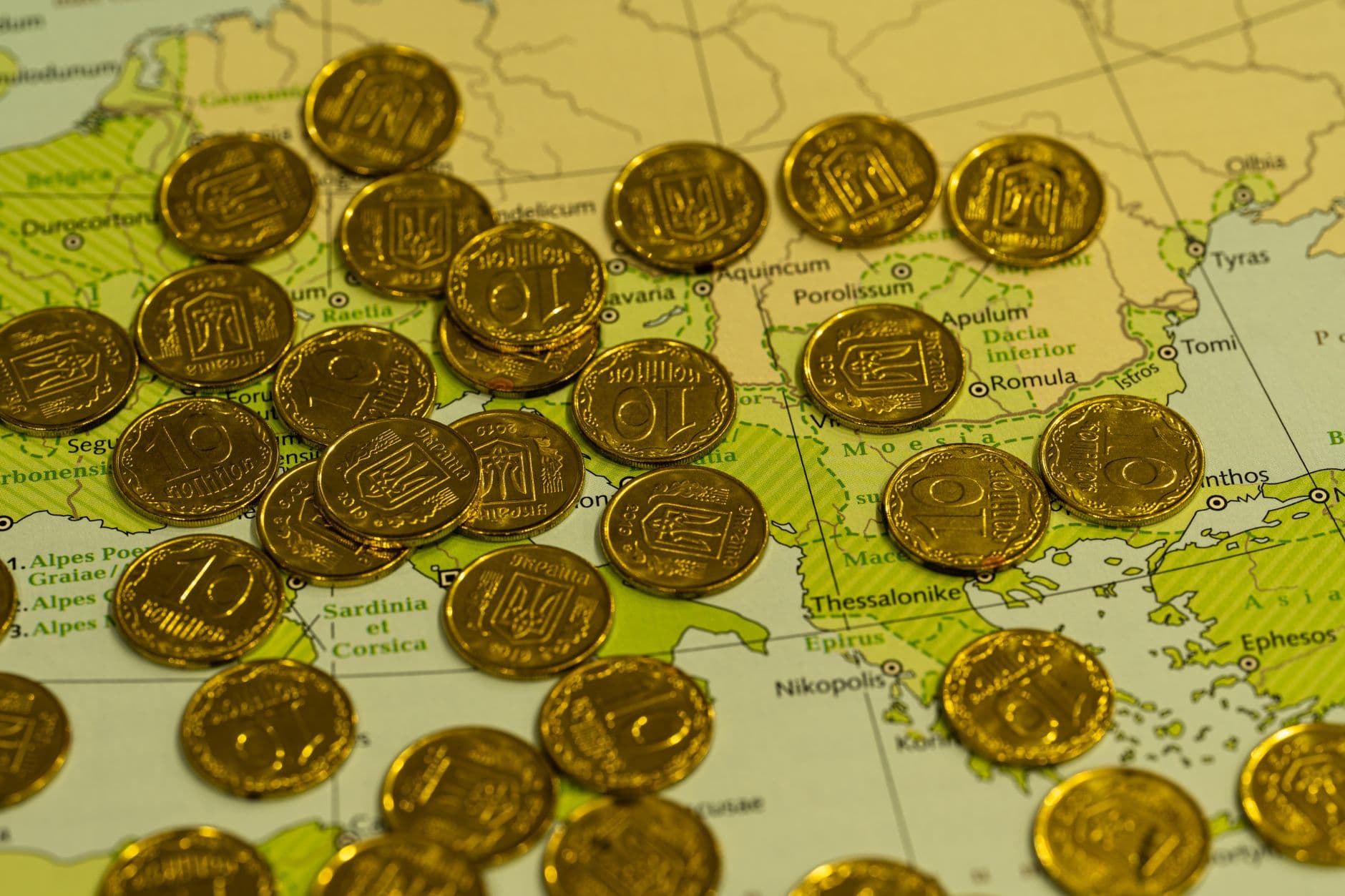
Photo by Wolfgang Weiser on Pexels
The Sovereignty of the Physical
We’ve spent thirty years digitizing everything from our music to our identities, yet the ultimate hedge against catastrophe remains a soft, heavy metal that humans have obsessed over since we lived in caves. This 'hard-asset nationalism' is a fascinating pivot. It suggests that the people running the world's economies are preparing for a scenario where the internet or the SWIFT banking system isn't the final word. They are prioritizing the 'sovereignty of physicality' over the convenience of being near the world's largest trading floor in Manhattan.
- Gold doesn't require a password.
- Physical bars cannot be 'deleted' by an administrative oversight or a diplomatic freeze.
- Having your reserves at home means you don't have to ask for permission to use them.
I find myself wondering if this is the start of a broader retreat from globalization. If we don't trust each other to hold our gold, do we trust each other to hold our debt? To manage our supply chains? To honor our treaties? The gold isn't just money; it's a barometer for how much we believe in the stability of the person standing next to us. Right now, that barometer is pointing toward a very stormy afternoon.
What This Actually Means
This isn't just a Dutch story; it's a story about the end of the 'End of History.' We were told that the world was becoming one giant, frictionless market where geography didn't matter. The DNB moving its gold back to Zeist is a loud, metallic 'clink' that says geography matters more than ever. It signals that central banks are no longer willing to trade security for liquidity. They would rather have the gold in a vault they control, even if it’s harder to sell quickly, than have it in a vault 3,000 miles away.
Ultimately, this is a hedge against the unknown. It’s the financial equivalent of a 'bug-out bag.' When a country as stable and sensible as the Netherlands starts dragging its gold across the Atlantic, it invites the rest of us to look at our own digital lives and ask what we actually own if the lights go out. We are moving back to a world where 'possession is nine-tenths of the law,' and in the high-stakes game of global finance, the Dutch just took their ball and went home.
Quick Answers
Is the Netherlands selling its gold?
No, they are simply moving the physical bars from the New York Federal Reserve to a high-security military location in the Netherlands to ensure they have direct control over their assets.
Why would they move it if New York is the financial capital?
The Dutch central bank cited 'geopolitical unrest' and the need for public confidence, signaling they want the security of physical possession over the ease of trading in the U.S. market.
Does this mean the U.S. dollar is in trouble?
Not necessarily, but it shows a decline in the absolute trust other nations place in U.S. institutions as neutral custodians of global wealth.


