The Generosity of the Uninformed
There is something truly touching about a multi-billion dollar tech executive suddenly discovering the concept of "theft" only when it applies to the data they haven't figured out how to monetize yet. For years, the mantra was that data wants to be free, provided "free" meant accessible to a scraper bot running out of a climate-controlled bunker in Northern Virginia. Now that we’ve reached the stage where independent farmers are being out-competed by AI models trained on their own hard-won survival tactics, the industry is having a rare moment of clarity. It turns out that taking everything someone knows about their specific ten acres of dirt and putting it behind a paywall might be a bit of a faux pas.
We should all take a moment to appreciate the sheer efficiency of the Agrarian Data Enclosure. Historically, if you wanted to exploit a farmer, you had to own the land or the seeds. That was messy. It involved physical fences and lawyers. In the 21st century, we’ve streamlined the process. Now, the farmer keeps the land, the debt, and the back-breaking labor, while the tech platform simply extracts the "intelligence" of the operation. It’s like a vampire that doesn’t want your blood, just your memory of where you kept the snacks.
Subscription-Based Common Sense
Imagine spending forty years learning exactly how the north-facing slope of your property reacts to a late April frost, only to have a sensor-laden tractor upload that nuance to a cloud server. Six months later, you get a promotional email offering a "Premium Agronomy Insight Package" for $499 a month that tells you exactly what you just taught it. It’s the circle of life, if the circle was actually a funnel pointing directly toward a corporate headquarters in Redmond or Mountain View.
This isn't just about spreadsheets; it's about the commodification of intuition. The industry calls this "democratizing data," which is a fascinating euphemism for taking a public or communal resource and renting it back to the original owners. When an AI model predicts a blight based on the aggregated misery of ten thousand independent growers, it isn't "creating value." It’s performing a very high-speed form of plagiarism on the lives of people who actually get their hands dirty.
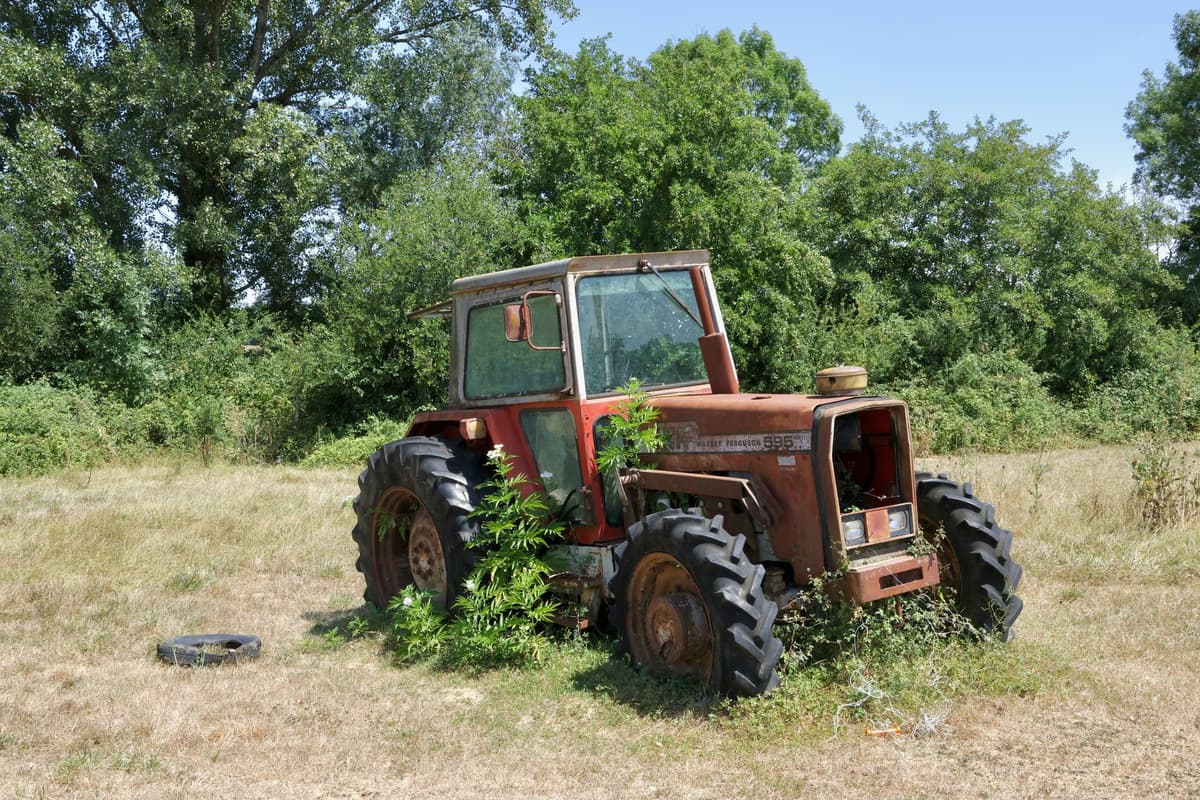
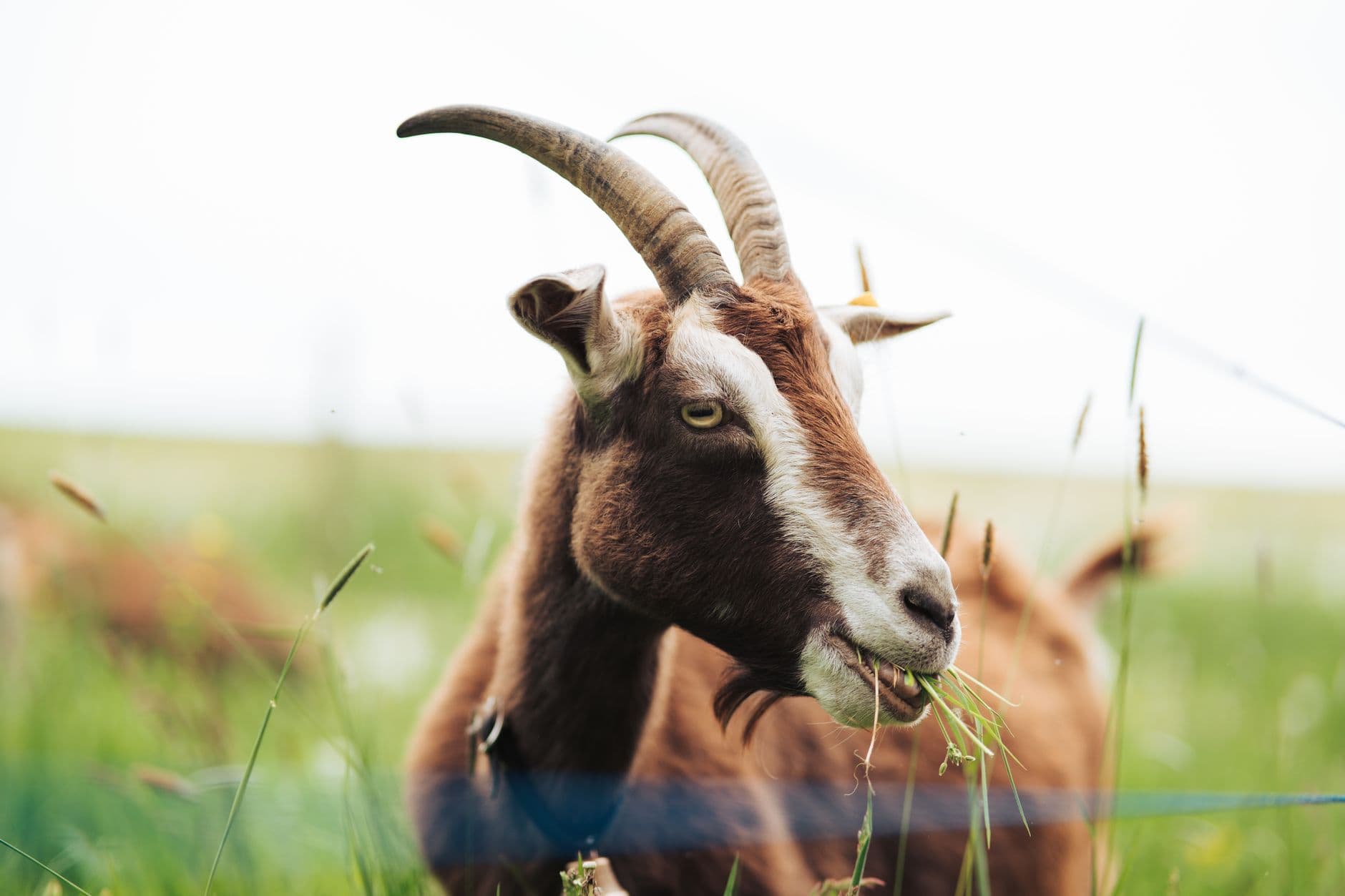
Photo by rik veldeman on Pexels
The New Feudalism Has Better UI
The irony of calling this the "largest theft of labor in human history" coming from within the tech house is delicious enough to be served at a Michelin-star restaurant. It’s an admission that the entire AI gold rush is built on the hope that nobody notices their pockets are being picked until the pickpocket is their only source of directions home. We are witnessing the birth of the Intellectual Tenant Farmer—a person who owns the physical tools of production but must lease the right to understand their own work from a third party.
If you think this ends with soil pH levels and nitrogen cycles, you haven't been paying attention to how these companies operate. The goal is a total dependency loop. Once the AI knows more about the farm than the farmer—because it has combined the farmer's data with the neighbor's data and the weather satellite's data—the farmer becomes a mere biological interface for the software. You aren't the manager anymore; you're just the person who turns the wrench when the algorithm pings your phone.
What This Actually Means
This is the ultimate evolution of the gig economy. We’ve moved past people driving cars for an app and arrived at people growing food for a database. By the time we realize that the "wisdom of the crowd" was actually just the uncompensated extraction of localized expertise, the models will be proprietary, the sensors will be mandatory, and the independent knowledge base will have withered away.
We are being told that this is progress, a necessary step toward "feeding the world." Oddly, the people who actually feed the world seem to be the ones losing their autonomy in the process. If this is the largest theft of labor in history, at least it’s being done with very clean, minimalist interfaces and a commitment to "sustainability" branding.
In the end, the data isn't the new oil. It's the new topsoil. And just like real topsoil, once you let it wash away into someone else's reservoir, it’s remarkably hard to get back. But don't worry—I'm sure there's an app for that, and I'm sure it's currently on sale for a limited time only.
Quick Answers
Is my farming data actually being 'stolen'?
Technically, you probably clicked "Accept" on a 45-page Terms of Service agreement when you bought your last moisture sensor, so in the eyes of the law, you gave it away as a hobby.
Can't I just opt out of these AI tools?
Sure, in the same way you can opt out of using a smartphone; you're free to do it, as long as you don't mind being effectively invisible to the modern economy and losing your competitive edge.
Who owns the 'wisdom' generated by the AI?
The company that owns the servers, obviously. They did the hard work of running the electricity through the silicon; you just spent thirty years observing the weather.