
We are drowning in data, yet paradoxically, our digital memories are increasingly fragile. The resurgence of technologies like DiscImageStudio, which allow consumers to etch persistent, visible artwork directly onto optical discs, isn't just about nostalgia for physical media. It represents a fundamental recalibration of value in an era of precarious cloud storage and fleeting streaming access.
The Illusion of Permanence
For years, we've been told the cloud is infinite, always available, and inherently secure. This narrative, while convenient for service providers, obscures a far more complex reality. Cloud storage is a service, not a guarantee of ownership or permanence. Accounts can be deleted, services can be discontinued, and data can be migrated or even lost in the opaque layers of corporate infrastructure. The access we pay for is often conditional, subject to terms of service that can change without our explicit consent. We hold licenses, not true ownership, for much of our digital lives.
This illusion extends to streaming. Whether it's music, movies, or games, our access is entirely dependent on a provider maintaining their catalog and their business. Licensing agreements expire, companies fold, and content can vanish overnight. Consider the numerous films and TV shows removed from streaming platforms in recent years, sometimes without warning. Entire digital libraries, once purchased, can become inaccessible. This isn't just an inconvenience; it's a systemic vulnerability for cultural preservation and personal archiving.
The Unhackable Aesthetic
Technologies like DiscT@2 and Labelflash, now seeing a new lease on life with tools like DiscImageStudio, address this vulnerability in two critical ways. First, by etching directly into the data layer of a disc, they create a physical, unalterable watermark. This isn't a sticker or a printed label that can degrade or detach; it's an intrinsic part of the media itself. This physical embedment offers a level of authenticity and tamper-resistance that digital watermarks, easily stripped or altered, simply cannot provide.
Second, and perhaps more importantly, this technology empowers the consumer with a tangible connection to their digital assets. It's a statement against the invisible, intangible nature of cloud-based data. When you can physically engrave an image or text onto a disc holding your most cherished photos, home videos, or critical documents, you imbue that physical object with a sense of permanence and personal ownership. It becomes an artifact, not just a data repository. This aesthetic component reinforces the archival intent, making the physical disc a more compelling and trustworthy long-term storage solution.
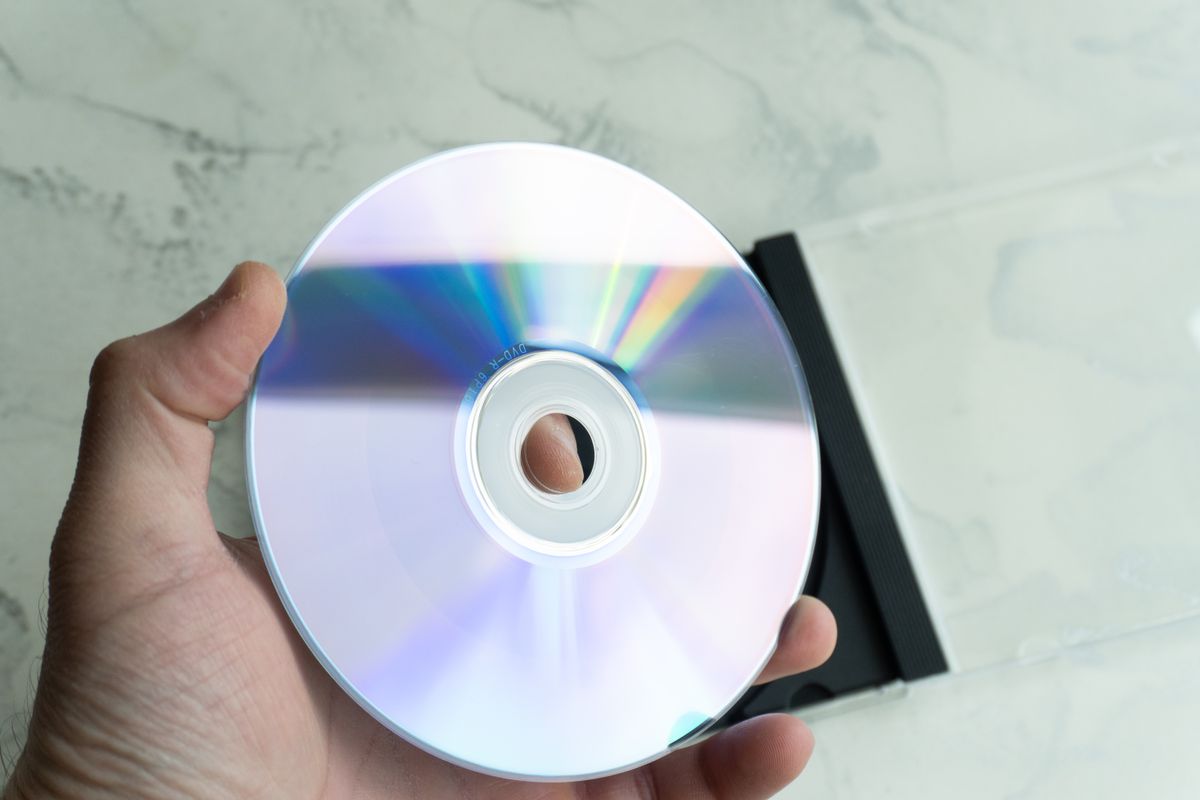
Photo by Zulfugar Karimov on Pexels
The Return of the Archive
The shift towards physical watermarks on optical media is not a wholesale rejection of digital convenience. It is, rather, a reassertion of control and a recognition of the need for robust, personal archiving strategies. For critical data—family histories, personal creative works, legal documents, irreplaceable memories—the permanence of a physical disc, visibly marked as your own, offers peace of mind that no server farm can replicate.
Optical media, particularly M-DISC technology, boasts archival lifespans of hundreds, even a thousand years. When combined with a permanent, etched label, the disc becomes a self-contained, self-describing archive. It's a stark contrast to the rapidly evolving, often proprietary, and ultimately fragile ecosystem of cloud storage and fleeting digital formats. This isn't about technology regression; it's about strategic data preservation in an increasingly volatile digital landscape. The average consumer has begun to understand that 'digital' doesn't automatically mean 'forever.'
What This Actually Means
The resurgence of disc-etching technologies reflects a growing consumer skepticism about the long-term viability of purely digital solutions for personal archiving. It's an intuitive pushback against the financialized and ephemeral nature of digital content ownership. People want to truly own their data, not just rent access to it, and they want that ownership to be manifest and durable. This trend signals a broader cultural pivot towards tangible assets for digital preservation, understanding that some things are too important to trust to distant servers and ever-changing terms of service. It’s a quiet revolution in personal data sovereignty.
Quick Answers
- What is DiscT@2/Labelflash? These are technologies that use the optical drive's laser to etch monochrome graphics or text directly onto the data-side of a CD, DVD, or Blu-ray disc, effectively creating a permanent, visible label.
- How is this different from printing on a disc? Unlike inkjet printing on a disc surface, which can fade, scratch, or peel, laser-etched images are part of the disc's data layer itself, making them highly durable and resistant to environmental degradation.
- Why is this considered 'un-hackable'? The etching is a physical alteration of the disc, integrated into its structure. It cannot be digitally removed or altered without physically damaging the disc, providing a unique form of tamper evidence.
- Is this just for aesthetics, or does it have a practical purpose? While aesthetically pleasing, the primary practical purpose is enhanced data permanence and identification. It ensures that the content of the disc is clearly and permanently linked to a physical, unalterable label, aiding in long-term archiving and authenticity verification.


