The Refinery Bottleneck No One Invited
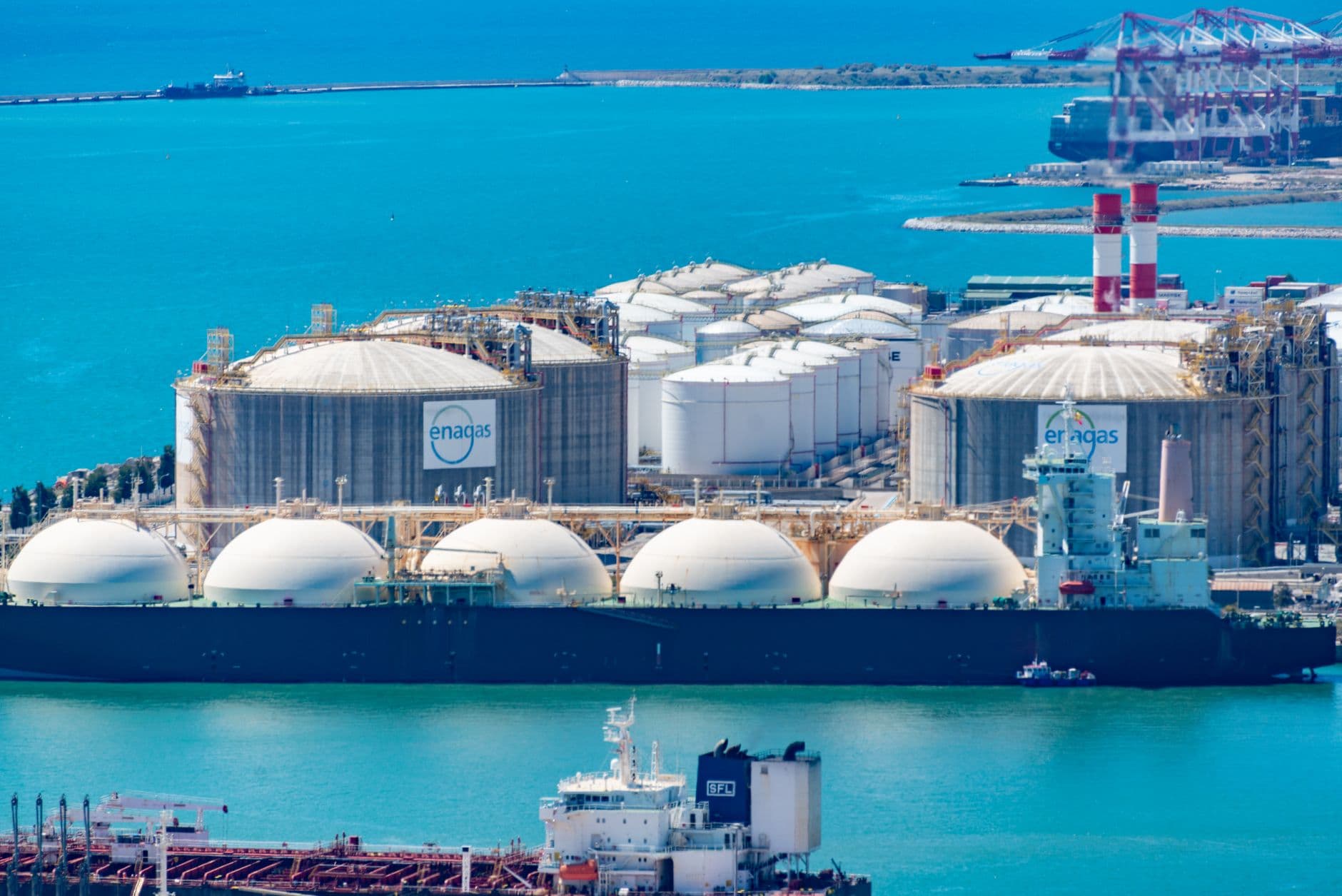
Crossing the $6 per gallon mark for diesel isn't just a headache for long-haul truckers; it is a systemic alarm bell for an industrial complex that has run out of slack. For years, the global refining narrative focused on gasoline—the fuel of the suburban commute. While we incentivized the transition to light-vehicle electrification, we neglected the unglamorous reality of middle distillates. These are the fuels, including diesel and jet fuel, that power the machinery of civilization. We are now witnessing the consequences of a decade-long investment drought in high-complexity refining capacity.
The math is unforgiving. Since 2020, global refining capacity has shrunk by roughly 3.3 million barrels per day. Environmental regulations, coupled with the sheer capital intensity of maintaining aging facilities, have led to a wave of closures. In the United States alone, refining capacity dropped by nearly 1 million barrels per day between 2020 and 2022. When you remove that much supply from a system where demand for heavy transport remains inelastic, you don't just get high prices; you get a structural floor that refuses to drop, regardless of what the Federal Reserve does with interest rates.
The Decoupling of Inflation and Policy
Central banks are currently fighting a ghost. The traditional playbook suggests that raising interest rates will cool demand, thereby lowering prices. However, interest rates cannot refine a barrel of crude oil. They cannot force a container ship to use less fuel, and they certainly cannot convince a farmer in the Midwest to stop using a diesel tractor. This is the 'Middle-Distillate' Trap: a reality where the cost of moving food, medicine, and raw materials is decoupled from consumer discretionary spending.
Even if every American family stopped buying new electronics tomorrow, the cost of the bread on their table would still reflect the $6 diesel used to harvest the wheat and deliver the loaf. This creates a persistent inflationary pressure that monetary policy is uniquely unequipped to handle. We are seeing a divergence where the 'core' inflation metrics used by policymakers ignore the very energy inputs that determine the survival costs for the average household.

Photo by Nothing Ahead on Pexels
The Myth of the Easy Transition
We have been sold a version of the energy transition that is remarkably clean and conveniently fast. The reality is that heavy industry and transoceanic shipping—the sectors responsible for 80% of global trade—cannot be powered by lithium-ion batteries. There is no Tesla Semi fleet coming to save the logistics sector in the next twenty-four months. Hydrogen remains a distant laboratory dream for most commercial fleets, and biofuels lack the scale to bridge a gap this wide.
By focusing almost exclusively on the 'green' end of the spectrum, policy leaders have ignored the 'bridge' that keeps the current world functioning. Refiners are hesitant to invest billions into diesel-producing hydrocrackers when the political rhetoric suggests their industry will be obsolete within a decade. This creates a self-fulfilling prophecy of scarcity. No sane board of directors will approve a twenty-year capital project in a climate where the regulatory goal is to ensure that project never pays for itself.
- Refining margins, often called 'crack spreads,' have reached historic highs, sometimes exceeding $50 a barrel.
- Diesel inventories in many regions have hit 30-year lows, leaving no buffer for seasonal demand spikes.
- Every $0.50 increase in diesel prices adds billions in aggregate costs to the global food supply chain.
What This Actually Means
This is the end of the era of invisible logistics. For thirty years, the cost of moving a physical object from point A to point B was so low that it was effectively a rounding error in corporate balance sheets. That era is over. The $6 diesel benchmark signals that physical distance has become expensive again. Companies will be forced to regionalize their supply chains, not because of politics, but because they can no longer afford the fuel burn of a 10,000-mile journey for a low-margin product.
Furthermore, we must brace for a 'sticky' inflation that defies traditional economic cooling. As long as the refining bottleneck exists, the cost of living will remain elevated. This is not a supply chain 'snag' that will work itself out in a quarter or two. It is a fundamental misalignment between the energy we have and the energy we need to maintain our standard of living.
Ultimately, the gravity of this situation requires more than just subsidy or temporary tax holidays. It requires a cold, hard look at our refining infrastructure and an admission that the transition to a new energy reality cannot happen if we bankrupt the logistics of the current one. If we continue to ignore the middle-distillate crisis, the economic pain will move from the gas station to every single shelf in the grocery store, and it will stay there for a long time.
Quick Answers
Why is diesel so much more expensive than gasoline right now?
Global refining capacity for middle distillates has shrunk significantly, and unlike gasoline, diesel demand is tied to essential services like shipping and farming that cannot be easily reduced.
Can't we just produce more oil to fix this?
Crude oil production is only half the battle; the real bottleneck is the 'refining' capacity—the physical plants that turn that crude into usable diesel—which hasn't seen major new investment in years.
Will interest rate hikes bring these prices down?
Likely not, because diesel demand is inelastic; people still need to eat and heat their homes regardless of how high interest rates go, meaning this type of inflation is resistant to central bank tools.


