The Glitch That Isn't Everywhere
I’ve always found it comforting to think that my DNA is a fixed constant, a consistent source code running the same way from my toes to my temporal lobe. It turns out that's a polite fiction we tell ourselves to make biology feel manageable. Recent breakthroughs in spatial genomics have pulled back the curtain on somatic mosaicism, revealing that mutations linked to autism aren't always systemic. They can hide in tiny, localized clusters of neurons, existing only in specific neighborhoods of the brain while the rest of the body carries a completely different genetic signature.
This realization is a massive departure from the 'whole-patient' approach we've relied on for decades. Imagine trying to find a single faulty wire in a skyscraper by checking the blueprints for the entire city. For years, we’ve been drawing blood or swabbing cheeks to find genetic answers for neurodevelopmental conditions, assuming the blood would tell us what the brain was doing. We were looking for a global error when the problem was actually a localized glitch in a few thousand cells.
The Geography of Thought
What fascinates me is the sheer specificity of these findings. Researchers are discovering that these mutations—often occurring after conception—create 'islands' of cells that process information differently. In a 2023 study published in Nature, researchers identified that these mosaic mutations were present in only about 1% to 10% of brain cells in affected individuals. That is an incredibly small needle in a massive, three-pound haystack. It makes me wonder how many other 'invisible' conditions are actually just well-hidden clusters of unique genetic code.

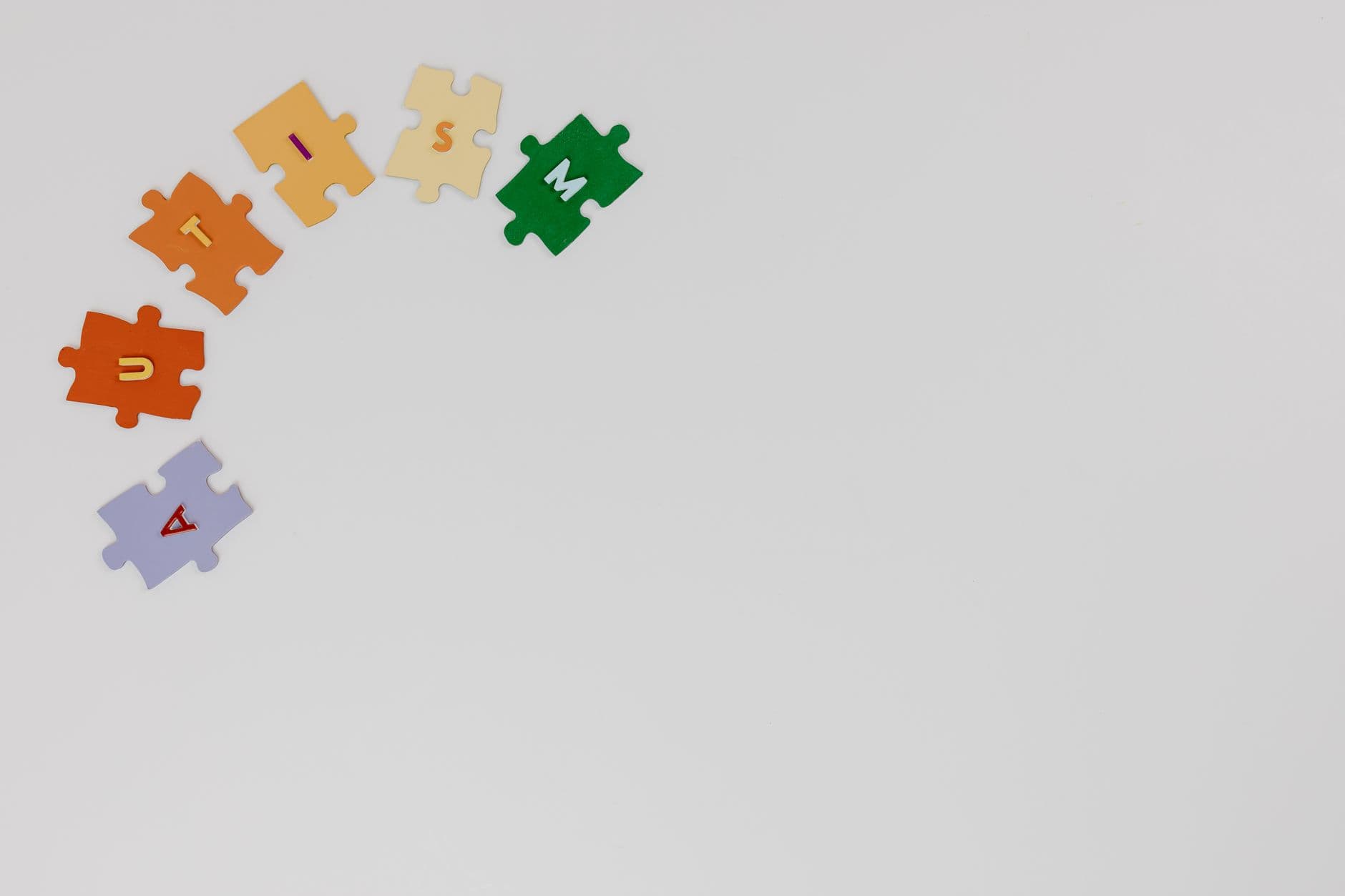
Photo by Max Vakhtbovych on Pexels
This spatial element changes the stakes of how we view the 'self.' If only a small section of your prefrontal cortex carries a specific mutation, are you 'genetically' predisposed to a certain trait, or are you just hosting a very influential minority of cells? We are moving into an era of high-precision mapping where we aren't just asking what the mutation is, but where it is sitting. The 'where' might actually be more important than the 'what' when it comes to how the brain wires itself during those critical early years.
Rethinking the Diagnostic Toolkit
If the answers aren't in our blood, the way we diagnose and treat neurodevelopmental pathology has to undergo a radical transformation. Traditional genetic testing is essentially a wide-angle lens, but we need a microscope. Spatial genomics is the new frontier, allowing scientists to see the activity of genes within their physical context in the tissue. It’s like moving from a grainy satellite photo of a forest to being able to see the specific bark on a single oak tree.
- Spatial Transcriptomics: This allows scientists to map where gene activity is happening in real-time within tissue samples.
- Somatic Mutation Tracking: Identifying changes that happen after the egg is fertilized, which explains why identical twins can have such different neurological profiles.
- Targeted Therapeutics: Instead of flooding the whole body with a drug, could we one day target only the 'mosaic' clusters causing the dysfunction?
I can't help but think about the parents who have spent years searching for a genetic 'why' in their children, only to be told the tests came back normal. Those 'normal' tests weren't wrong; they were just looking at the wrong map. We’ve been checking the library's catalog when the typo was only on page 42 of a single book in the basement. This shift toward spatial precision offers a kind of validation that a standard blood draw never could.
What This Actually Means
This breakthrough suggests that the human brain is far more heterogeneous than we ever dared to imagine. We aren't a single biological program; we are a collection of trillions of cells, each with the potential to diverge from the script. This discovery doesn't just apply to autism. It opens the door to understanding epilepsy, schizophrenia, and even neurodegenerative diseases like Alzheimer’s through a localized lens. We are finally admitting that the brain is too complex for 'one-size-fits-all' genetics.
In the long run, this could lead to a world where 'neurodiversity' isn't just a social concept, but a literal, measurable physical reality of our cellular makeup. It challenges the very idea of a 'normal' genome. If we all have these tiny mosaic islands—and most of us likely do—then the line between 'typical' and 'atypical' starts to look a lot more like a gradient and a lot less like a barrier.
We are standing at the edge of a new map of the human mind. It’s a map that acknowledges the glitches, the deviations, and the localized wonders that make us who we are. It’s a bit terrifying to realize we are so fragmented, but there’s a strange beauty in the idea that our brains are unique, down to the very coordinates of our cells.
Quick Answers
Does this mean autism can't be detected with a blood test?
In many cases, yes, because somatic mosaicism means the mutation exists only in the brain and not in the blood or saliva. Spatial genomics requires looking at the actual neural tissue or using advanced modeling to predict where these clusters might be.
How do these mutations happen if they aren't inherited?
They occur spontaneously during cell division while the embryo is developing. A single cell catches a 'typo' in its code, and every cell descended from that one carries the same mutation, creating a localized patch of unique DNA.
Will this lead to new treatments?
That's the goal. By identifying the exact cellular pathways and locations involved, researchers can develop high-precision therapies that target those specific malfunctions rather than affecting the entire central nervous system.


