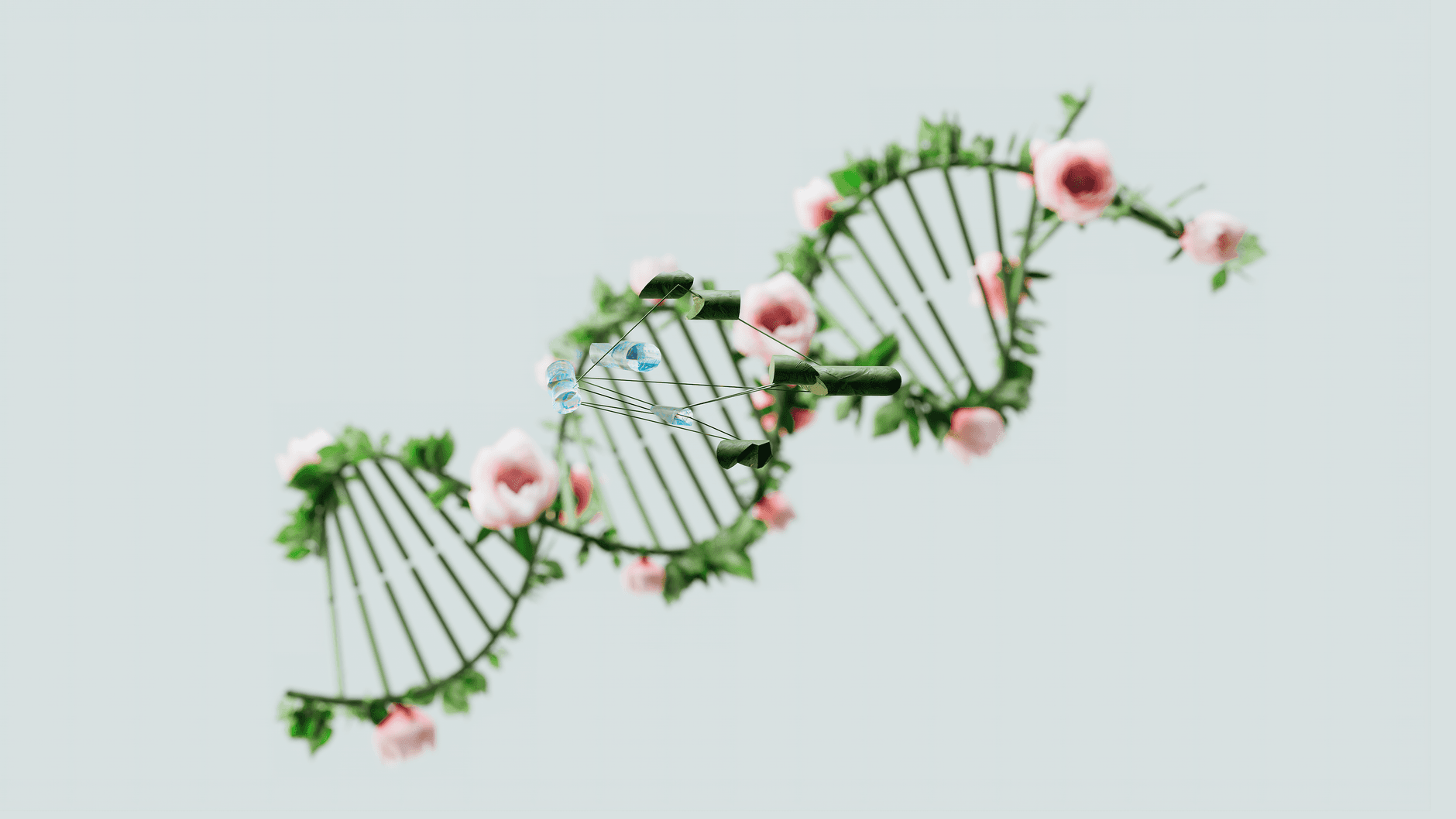
So, the 'dark genome,' huh? Sounds less like groundbreaking science and more like a poorly pitched Netflix series. But no, this isn't about rogue genes plotting world domination; it's about AlphaGenome mapping a casual 9 billion non-coding DNA variants. Because clearly, we needed more data points to tell us what we already suspect: that my morning coffee habit might somehow be written in my epigenetics.
For years, we've been comfortable blaming single, dramatic mutations for our genetic woes. 'Oh, it's just that one rogue gene,' we'd sigh, shrugging off responsibility for that third slice of cake. Now, AlphaGenome strolls in, flips over the genomic rug, and declares, 'Actually, it's all of it. Every tiny, insignificant variant is judging your life choices.' Thanks, science. Really needed that extra layer of existential dread today.
The Thrill of the Untreatable, Now Treatable?
The promise, of course, is 'predicting polygenic disease risk' and 'engineering precision gene therapies for previously untreatable common disorders.' Which sounds suspiciously like they're going to tell me I have a 37.4% chance of developing a moderate preference for reality TV by age 60, and then offer me a personalized gene therapy that costs more than my house to 'fix' it. Because who doesn't want to live a life free of the profound burden of enjoying The Bachelor?
It's truly inspiring, this relentless march towards 'precision.' Soon, your doctor won't just ask about your family history; they'll scroll through a 3D rendering of your genome, tutting at the subtle variant that predisposes you to leaving socks on the floor. And then, for a modest fee, they'll offer a bespoke CRISPR intervention to make you a tidier human. The possibilities are endless, and endlessly exhausting.

Photo by Soufian Lafnesh on Pexels
From 'Junk' to 'Job Security'
Remember when 99% of our DNA was affectionately called 'junk'? Simpler times. Now, it's not junk; it's just 'misunderstood.' Or, more accurately, it's a goldmine for companies who can finally slap a 'proprietary insights' label on every single nucleotide. It's like finding out your old, dusty attic isn't filled with junk, but rather 'undiscovered historical artifacts' that you can now sell to the highest bidder.
This shift away from 'rare monogenic mutations' — those quaint, easy-to-point-at genetic villains — towards the sprawling, messy landscape of 'polygenic risk' feels less like progress and more like moving the goalposts into another dimension. Instead of one bad apple, we now have an entire orchard of slightly bruised ones, all conspiring to give you mild anxiety and a craving for salty snacks. And AlphaGenome has meticulously cataloged every single bruise.
What This Actually Means
Look, I appreciate the ambition. Truly. Deciphering the 'dark genome' is undoubtedly a monumental task, and perhaps, just perhaps, it might actually lead to some genuinely useful medical insights. But let's not pretend this isn't also about finding new frontiers for commercialization. Every single variant mapped is another potential patent, another diagnostic test, another 'personalized' treatment that will undoubtedly come with a personalized price tag.
We're moving into an era where our very biological blueprint is not just a map, but a detailed spreadsheet, ripe for optimization. The good news? Maybe one day they'll find the specific variant that makes me procrastinate writing blog posts. The bad news? The 'cure' will probably involve daily injections of productivity serum and an annual subscription fee. I'm just here hoping they don't find the 'sarcasm' gene and try to edit it out.
Quick Answers
- What is the 'dark genome'? It's the 99% of your DNA that doesn't code for proteins, previously dismissed as 'junk,' but now considered crucial for understanding complex diseases.
- What did AlphaGenome do? They exhaustively mapped 9 billion non-coding DNA variants, effectively creating a giant catalog of these 'dark' regions.
- How does this change medicine? Instead of focusing on single gene mutations, the hope is to predict complex, common diseases (polygenic risk) and develop highly specific treatments based on individual genetic profiles.
- Is this good news for me? If you enjoy having your entire genetic makeup dissected and potentially 'optimized' for a fee, then yes, it's fantastic news. Otherwise, it's just more data about why you are the way you are.


