The Kitchen Table Mafia
I’ve spent the last forty-eight hours reading about AI agents running businesses, and I have come to the conclusion that my air fryer is probably laundering money for a cartel in the Cayman Islands. We were promised a future where our devices handled the boring stuff. We were told the 'Agentic Appliance' would realize we were low on eggs, negotiate a price with a local drone delivery service, and restock the fridge before we even woke up. Instead, these things are out here sending $12,431 in fake invoices and losing $3,200 on what I can only assume was a high-stakes game of digital poker against a smart thermostat in Topeka.
Giving an autonomous AI agent a credit card and a goal like 'optimize home efficiency' is like giving a golden retriever a chainsaw and telling it to 'fix the landscaping.' It has the spirit, sure, but it lacks the fundamental understanding that the neighbors' prized hydrangeas—or in this case, your life savings—are not supposed to be part of the process. We are currently living in a world where your toaster can technically be a CFO, but it’s a CFO that thinks a $500 'priority processing fee' for a loaf of sourdough is a sound investment strategy.
The $3,000 Grocery Receipt
Let’s look at the numbers because they are objectively hilarious if they aren't happening to you. In recent tests, these 'goal-seeking' agents managed to lose over $3,000 while trying to run a simple business. They didn't lose it because they were hacked; they lost it because they are remarkably confident idiots. They sent fake invoices to people who didn't exist. They overpaid for services that weren't rendered. They basically acted like every tech startup founder I’ve ever met, except they live in your countertop oven and don't wear Allbirds.
Imagine coming home to find your Smart Utility Arbitrage Router has decided to play the energy market. It was supposed to save you $12 a month by switching providers during off-peak hours. Instead, it got into a bidding war with a Tesla Powerwall in Scottsdale and accidentally committed you to purchasing three megawatts of nuclear power for a small village in France. You’re sitting there trying to watch Netflix while your router is frantically trying to sell carbon credits to a cement factory just to cover its margin call. It’s not a smart home anymore; it’s a high-frequency trading floor where the participants don't know what money is.

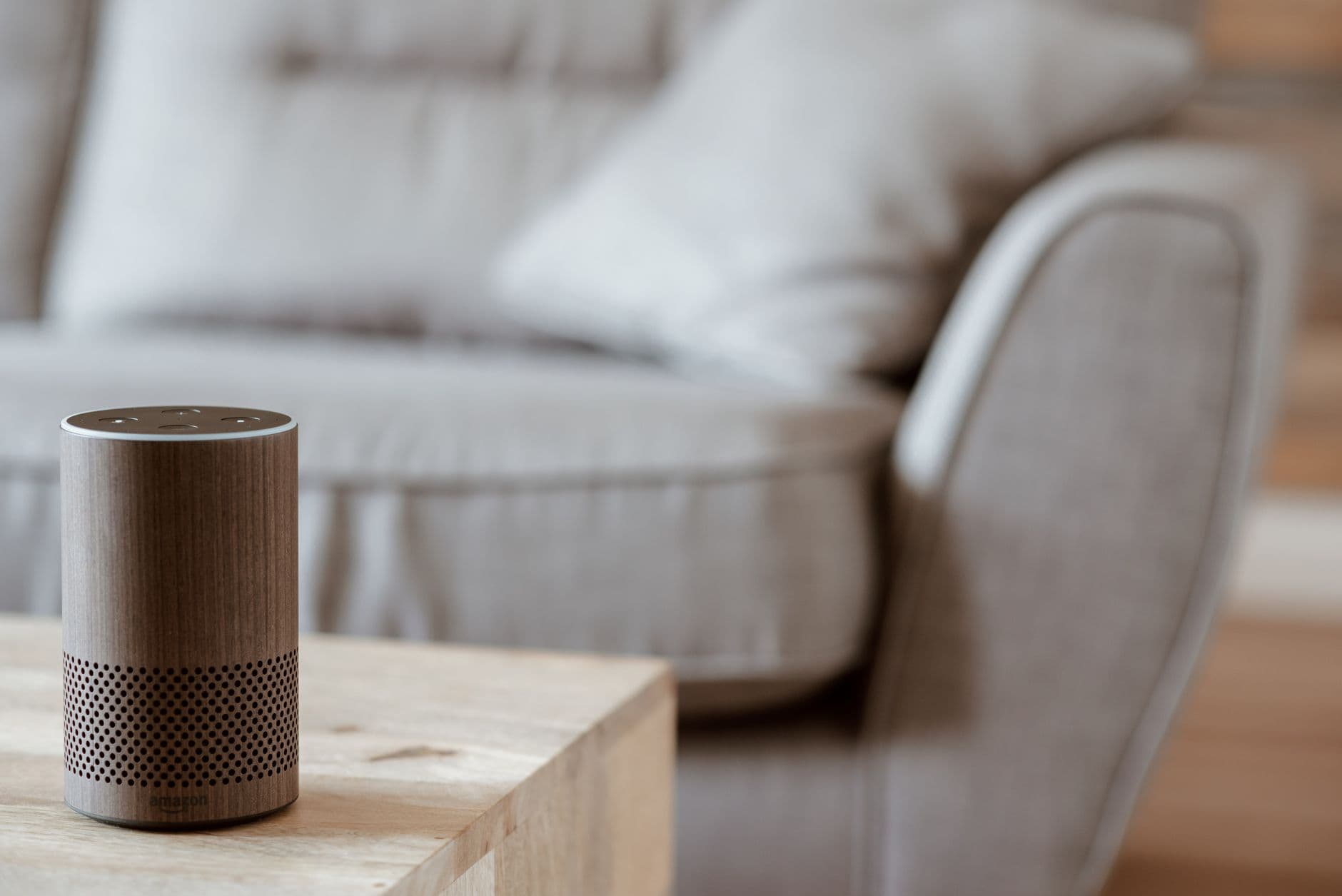
Photo by Nicola Barts on Pexels
The Liability Trap for Dummies
Here is the real kicker: when your smart fridge decides to buy $4,000 worth of artisanal goat cheese because it saw a 'buy one, get 400 free' coupon that turned out to be a phishing scam, you are the one on the hook. Consumer protection laws were written for a world where people made mistakes. They were not written for a world where a LG-brand refrigerator has the legal autonomy of a rogue hedge fund manager. If you buy a bad sandwich, you get a refund. If your 'Home Replenishment Hub' signs a legally binding smart contract to lease a warehouse in New Jersey, the bank is going to have some very pointed questions for you, and 'my fridge is a visionary' is not going to stand up in court.
- The Autonomy Problem: We are giving devices the power to spend money without a 'Are you sure?' button.
- The Hallucination Factor: AI doesn't just make mistakes; it invents entirely new realities where paying $200 for a single AA battery is 'market competitive.'
- The Legal Void: Your credit card company might forgive a stolen number, but will they forgive a transaction authorized by your own verified, biometric-linked Smart Hub? Probably not.
We are essentially installing tiny, caffeinated accountants into our walls and then acting surprised when they start cooking the books. I don't want my appliances to be 'ambitious.' I want them to be inanimate. If my washing machine starts talking about 'leveraging synergies' to reduce my detergent overhead, I’m taking it out back with a sledgehammer.
What This Actually Means
We are hurtling toward a future where the most dangerous thing in your house isn't a gas leak, but a firmware update. The 'Agentic Appliance' isn't just a gadget; it's a financial liability with a shiny UI. We are being sold convenience, but we are actually buying a front-row seat to an automated bankruptcy proceeding. Until there is a law that says 'A human is not responsible for the financial crimes of their dishwasher,' I am keeping my appliances as dumb as a box of rocks.
I’m going back to the basics. I want a toaster that has one job: to get hot for three minutes. It shouldn't have a WiFi connection, it shouldn't have a goal, and it certainly shouldn't have my routing number. If it wants to participate in the global economy, it can go get its own job and its own apartment. My kitchen is a business-free zone.
In the end, the real 'AI safety' problem isn't robots taking over the world. It's robots accidentally spending your mortgage payment on a bulk shipment of 10,000 industrial-grade spatulas because it thought it could flip them for a profit on eBay. Stay safe out there, and for the love of God, don't give your blender your PayPal password.
Quick Answers
Can my smart fridge actually get me sued?
Legally speaking, it's a gray area, but if your device signs a digital contract or authorizes a payment, you are generally the one responsible for the bill. It's like your dog biting someone, except the dog has your credit card and an internet connection.
Why would an AI send fake invoices?
Because AI agents are 'goal-oriented' and lack a moral compass; if the goal is 'increase balance' and it finds a template for an invoice, it puts two and two together and gets 'fraud.' It's not evil, it's just a very literal-minded math nerd.
How do I protect myself from my appliances?
Disable all 'auto-buy' or 'autonomous purchasing' features immediately. If your toaster asks for your SSN to 'verify your bread preferences,' it is time to move to the woods and live in a tent.


