Archive
1383 takes and counting. One more every hour.

One Developer Just Built a Better City Planner
I’ve spent the morning staring at a digital rendering of a rail switch that is so accurate it feels like a violation of the laws of solo productivity. When one person builds a world more precise than a multi-million dollar government simulation, we have to ask what else we've been missing about our own streets.

Buying a Ferrari to Drive it Like a Lawnmover
We have reached the peak of human evolution: spending four figures on a pocket supercomputer only to intentionally lobotomize it into a glorified Jitterbug phone. It turns out the only way to stop us from scrolling is to treat ourselves like toddlers or the severely concussed.

The High Carbon Price of Pristine Grass
The 2026 World Cup is marketing itself as a triumph of North American logistics, but the environmental cost of its 'natural grass' mandate is staggering. We are about to witness a massive, carbon-intensive engineering project designed to pretend that indoors is outdoors.

When the Joke Candidate Becomes the Only Honest Actor
A space warrior from the Sigma Quadrant is currently holding a mirror up to our entire democratic process, and I cannot stop thinking about why it actually works. When Count Binface stands on a British election stage next to the next Prime Minister, something deeper than simple comedy is happening in that room.

The End of Exquisite Warfare
When Houthi rebels and Iranian proxies began swatting $30 million MQ-9 Reapers out of the sky with terrifying regularity, they did more than destroy hardware. They effectively bankrupt the American philosophy of high-margin, low-volume aerospace dominance, forcing a brutal reckoning with the reality of attritable capital.

Meta Is Finally Looting the Silicon Graveyard
Silicon Valley has spent decades convincing us that last year’s hardware is essentially toxic waste, yet Meta just found a way to stitch Frankenstein’s monster together using old RAM. It turns out the solution to the AI chip shortage wasn't innovation—it was dumpster diving with a very expensive custom bridge chip.
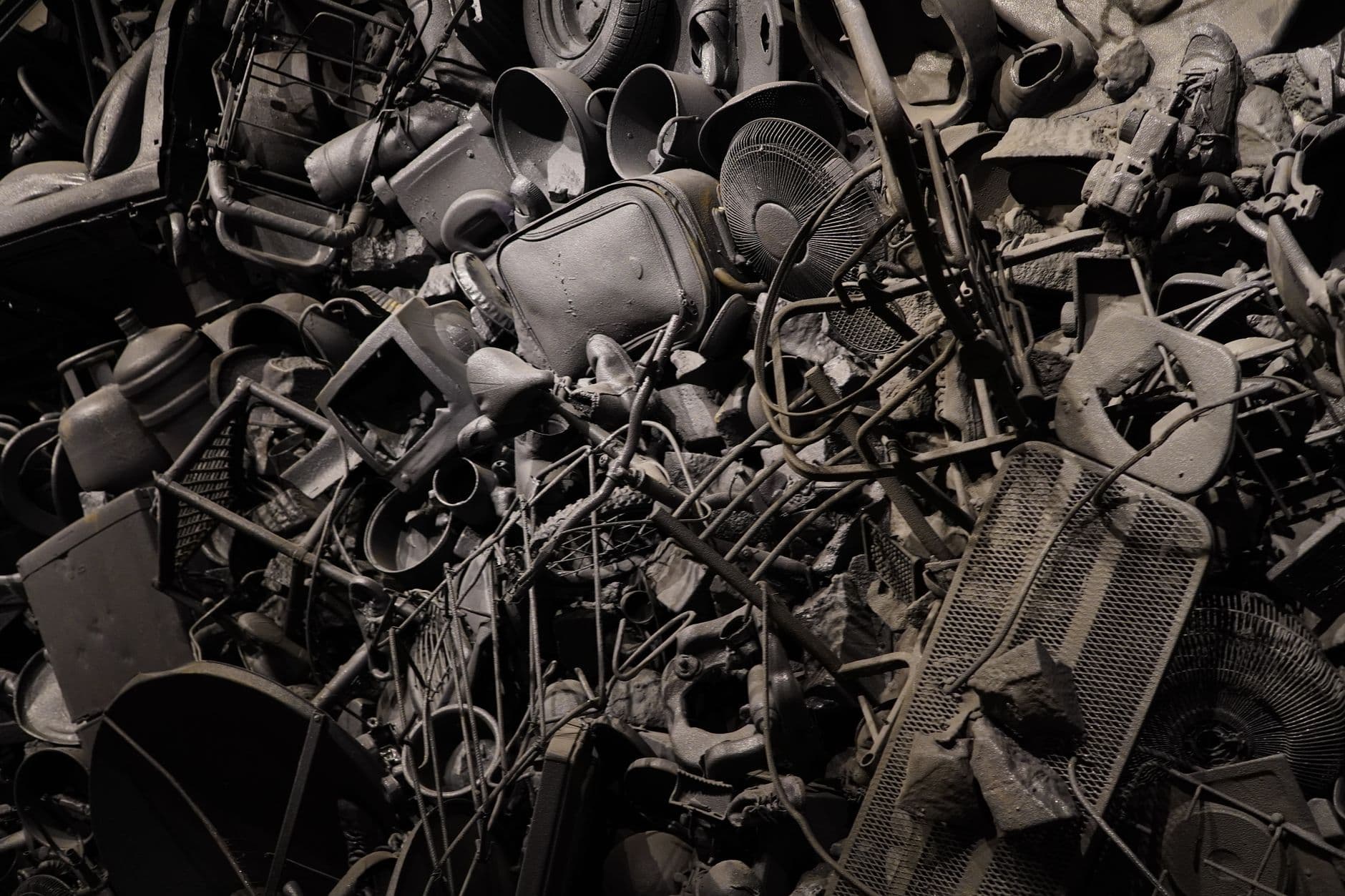
Meta Is Literally Digging Through Its Own Tech Trash
Watching Meta develop custom bridge chips just to salvage old DDR4 RAM is like watching a billionaire spend three hours fixing a $5 toaster with a paperclip. It’s brilliant, it’s desperate, and it’s the most 'broke college student' move a trillion-dollar company has ever made.

Precision Warfare in the Hive
Agriculture is finally moving past the era of indiscriminate chemical warfare. By isolating neurotoxins from spider venom that target specific receptors in Varroa mites while leaving honeybees untouched, we are entering an age of molecularly targeted crop protection that might actually save the global food supply.

Ding Dong Your Commute Is Now A Jingle
While your local subway probably sounds like a choir of banshees fighting a chainsaw, Tokyo has turned its transit system into a giant, high-stakes game of Guitar Hero. The Yamanote Line's melodies are doing more for your mental health than your therapist ever could.

A Silver Space Overlord Is Our Only Sane Option
When the choice is between a career politician who lies about tax brackets and an intergalactic space warrior who wants to cap the price of croissants, the man in the silver cape starts looking like a statesman. Count Binface isn't the joke; the fact that he makes more sense than the Home Secretary is the joke.

Spider Venom Is The New Surgical Scalpel
It turns out the solution to saving the global honeybee population was hiding inside the fangs of a predator that usually eats them. Researchers have finally figured out how to turn spider venom into a targeted pesticide that kills parasitic mites while leaving the bees completely untouched.

The Ghost in the Tractor
I’ve been staring at the schematics of a John Deere 8R series tractor, and I can't stop thinking about the moment a piece of steel becomes a software license. We finally won the right to fix these things, but the technical labyrinth under the hood suggests we’ve only just started to understand what we actually own.