The Ghost in the Passenger Seat
I found myself staring at the passenger seat sensor the other day, that little pressure pad that dings if you put a heavy backpack down without buckling it in. It’s a safety feature, obviously, designed to ensure an airbag doesn't obliterate a toddler or a grocery bag. But then I started wondering: where does that specific number—the exact weight of whatever is sitting there—actually go? It turns out the answer is far more lucrative than a simple safety check. Your car isn't just a machine anymore; it is a high-fidelity biometric sensor that happens to have wheels attached to it.
Most of us signed a hundred-page digital waiver in a fluorescent-lit dealership office three years ago and never thought about it again. We assumed the "connected features" were for Spotify integration or remote starting the heater on a February morning. In reality, modern vehicles are generating up to 25 gigabytes of data every single hour. That is a staggering amount of information. It’s not just GPS coordinates; it’s your heart rate if you’re gripping a sensor-enabled steering wheel, your voice patterns via the internal mic, and the specific cadence of how you depress the accelerator.
The Monetization of a Sharp Left Turn
What fascinates me isn't just that the data is collected, but how it's being refined into a product. There is a whole shadow economy of data brokers like LexisNexis and Verisk that are reportedly receiving "telematics" feeds directly from manufacturers. They aren't looking for your playlist history. They are looking for "events." A hard braking incident at 2:00 AM is a data point. A routine of driving 10 mph over the limit on a specific stretch of suburban highway is another. These events are fed into proprietary algorithms to create a "risk score" that feels uncomfortably like a social credit system for the road.
I wonder if we’ve reached a point where the car is actually more valuable as a data harvester than as a piece of transportation hardware. If a manufacturer can sell a $40,000 SUV and then generate a recurring revenue stream by selling the driver's behavioral profile to insurance companies for years, the incentives for privacy vanish. Think about the granularity here. Some weight sensors are sensitive enough to tell if you’ve gained or lost weight over a six-month period. Does your life insurance company want to know that? Probably. Does your car have the right to tell them? Legally, because of those 100 pages of fine print, the answer is currently yes.
- LexisNexis reportedly maintains files on hundreds of millions of drivers, often populated by data sent directly from GM, Kia, and Subaru.
- One driver in Florida found his insurance premiums spiked by 21% after his Chevy Bolt tracked his "hard braking" events without his realization.
- Most "opt-out" screens are buried six layers deep in an infotainment menu that 90% of owners will never open.
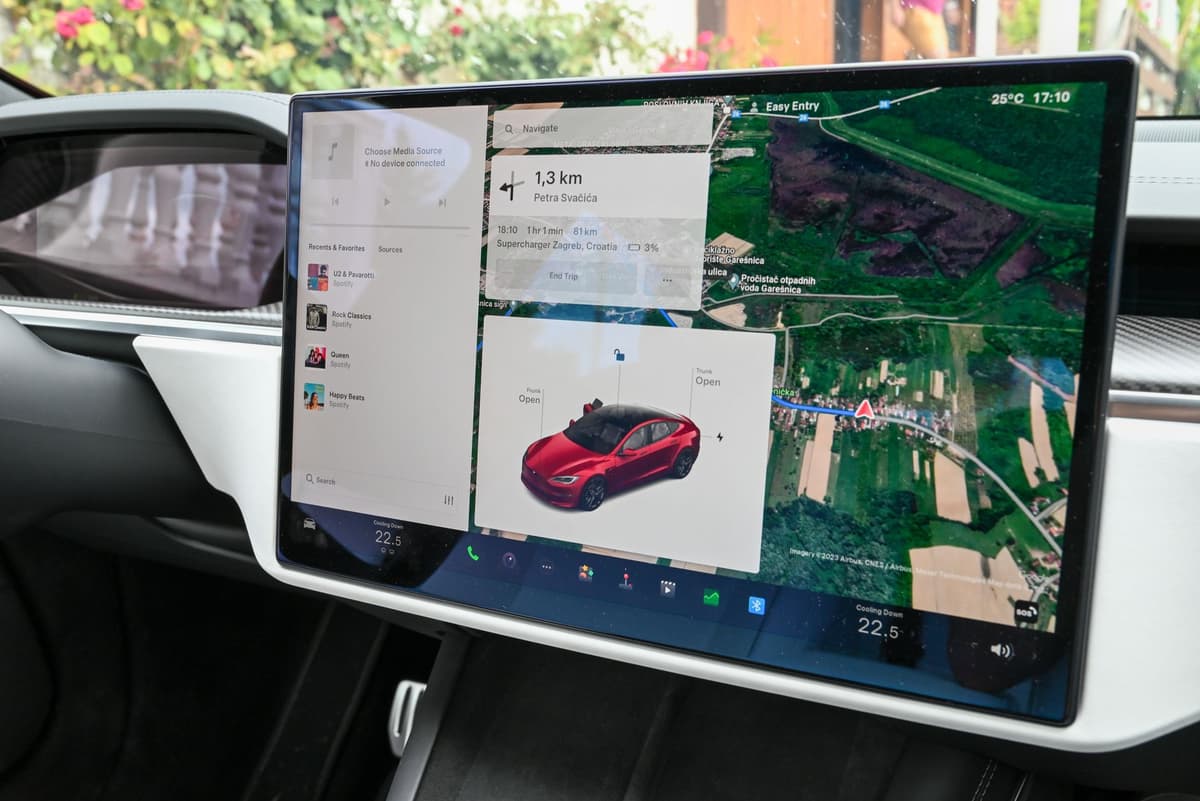
Photo by Vladimir Srajber on Pexels
Who Owns the Interior of a Moment?
There is a philosophical shift happening here that we haven't quite named yet. We used to own our privacy by default and trade it away for convenience. Now, we buy a product, and the privacy is stripped away as a condition of the purchase. I keep thinking about the "interiority" of the car. It’s one of the few places left where people feel they can be alone. You cry in your car, you have private arguments on speakerphone, you pick your nose. It is a transitionary space between the public world and the private home. If that space is being mapped and sold, does the concept of a "private moment" even exist anymore?
I’m curious about the threshold of our tolerance. We’ve accepted that our phones track us because the utility of a map in our pocket is undeniable. But a car tracking the force of my turn to tell an actuary in a different time zone that I’m a "high-risk asset" feels different. It’s parasitic. It’s a silent snitch that we pay a monthly note to keep in our driveways. We are essentially paying $600 a month to be surveilled by a machine we think we own.
What This Actually Means
This is the end of the anonymous journey. The era of "just driving" is being replaced by a quantified performance where every movement is graded. If you think your insurance rates are high now, imagine a future where they fluctuate in real-time based on your morning commute. The car has become a tether, linking your physical movements to your financial identity in a way that is almost impossible to untangle without walking everywhere.
We are moving toward a world where "privacy" becomes a luxury feature. Perhaps in five years, you’ll pay an extra $2,000 for the "Privacy Package," which is just a software toggle that stops the car from talking to data brokers. Until then, we are all participants in a massive, rolling experiment. We aren't just the drivers; we are the fuel for a multi-billion dollar data industry that views our daily commute as a gold mine.
It makes me wonder if the next great status symbol won't be the car that can drive itself, but the car that refuses to say a word about where it's been.
Quick Answers
Can I just turn off the data sharing in my settings?
Sometimes, but it’s rarely a single button; you often have to dive into privacy menus on the dashboard and the manufacturer’s app separately to fully disconnect.
Do insurance companies really use this to raise my rates?
Yes, several major insurers have been linked to third-party data reports that flag "risky" driving behaviors like speeding or late-night trips to justify premium hikes.
Is this legal without my consent?
Technically, you gave consent when you clicked "Accept" on the terms of service when setting up your car’s connected features or app, even if you didn't read the fine print.


