
The story of an Italian farmer unearthing unknown seeds in his attic might sound like a quaint anecdote, but it’s far more profound. This isn't just about a potential new crop; it's a stark reminder of the vast, often forgotten, genetic library humanity has cultivated over millennia — a library we are rapidly losing, yet desperately need for our uncertain future.
The Unseen Value of the Forgotten
For centuries, farmers were the primary developers of plant genetics. They observed, selected, and cross-pollinated, inadvertently creating strains perfectly adapted to local climates, specific pests, and unique soil conditions. These are the heirloom varieties, the unsung heroes of agricultural history. Modern industrial agriculture, in its pursuit of uniformity and maximum yield, has sidelined thousands of these varieties, favoring a handful of high-performing, genetically homogeneous crops. This efficiency comes at a dangerous cost: a catastrophic decline in agricultural biodiversity.
Consider the banana, for example. The Cavendish variety dominates the global market, making up almost 99% of exported bananas. It’s highly susceptible to Panama disease, a soil-borne fungus that has already devastated previous commercial varieties. This lack of genetic diversity means that a single pathogen could wipe out an entire industry, a scenario that has played out repeatedly throughout history, from the Irish potato famine to the current threats to various grain crops.
A Fragile Genetic Bank Account
Every lost seed variety is a lost solution to a future problem. It could be a gene for drought resistance, a natural defense against a new super-pest, or a unique nutritional profile. Climate change is already forcing us to rethink traditional farming practices. Extreme weather events are becoming common, and regions once suitable for certain crops are rapidly changing. We need plants that can adapt, not just those that produce the largest volume under ideal conditions. The genetic resilience inherent in heirloom seeds, often developed through generations of natural selection in challenging environments, is precisely what we will need to draw upon.
Seed banks exist, of course, like the Svalbard Global Seed Vault, which houses over one million seed samples. These institutions are vital, but they are often repositories of known varieties. The farmer's attic find highlights a different kind of challenge: the rediscovery of seeds that were never formally documented or cataloged. These are seeds held in familial memory, passed down, or simply forgotten, yet they represent invaluable, unbanked genetic capital.
The Hurdles of Revival
Identifying and cultivating these rediscovered seeds is no small feat. First, there’s the challenge of germination. Seeds, especially very old ones, may have greatly diminished viability. They require specific conditions, sometimes even unique pre-treatments, to awaken from dormancy. Once germinated, the plant needs careful cultivation to ensure it thrives and produces viable seeds for future generations. This is a slow, meticulous process, often requiring specialized knowledge of the plant's original growing conditions and genetic characteristics.
Then comes the identification. What exactly has been planted? Is it a known heirloom variety, perhaps thought to be extinct? Or is it something entirely new, a unique mutation or an ancient landrace? This requires botanical expertise, genetic sequencing, and often, historical research to trace its origins and potential lineage. The scientific community and local agricultural experts play a critical role here, not just in identification, but in helping small-scale growers properly cultivate and conserve these rediscovered treasures.
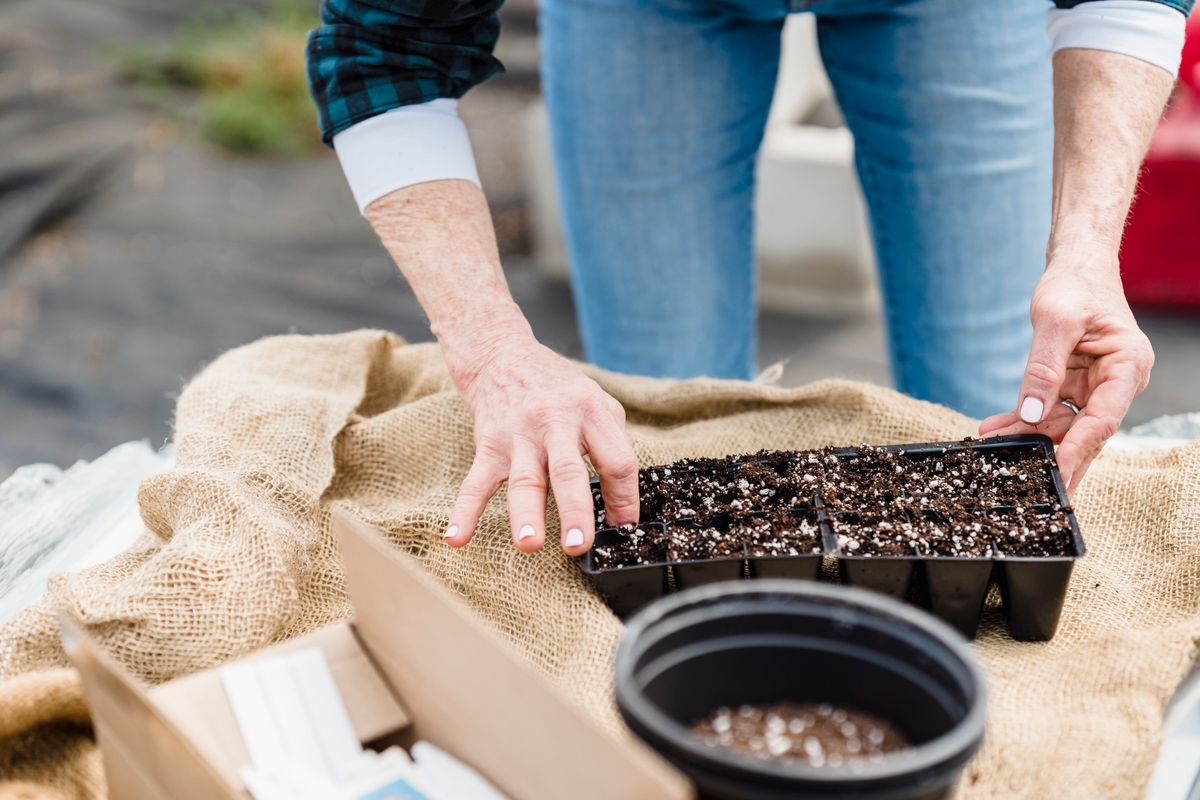
Photo by Greta Hoffman on Pexels
Another significant hurdle is scaling up. A single plant or a small patch isn't enough to secure a variety. It needs to be grown, harvested, and distributed to other growers to create a larger, more resilient seed stock. This requires collaboration between farmers, researchers, seed banks, and even local governments to establish conservation programs and promote their widespread adoption. Without a concerted effort, these rediscovered seeds risk fading into obscurity once more.
What This Actually Means
This Italian farmer's discovery is more than a charming story; it's a wake-up call. It underscores the urgent need to protect agricultural biodiversity, not just in remote seed vaults, but in active cultivation around the world. We have, through decades of agricultural policy, narrowed our genetic base to a perilous degree. Reversing this trend means investing in local seed savers, supporting small farmers who prioritize diverse crops, and funding research into heirloom varieties.
Our food security in an era of climate change hinges on our ability to adapt, and adaptation requires genetic diversity. Every time an old variety is lost, we lose a piece of our agricultural heritage and a potential key to our future. The seeds in that farmer's attic might just be a blueprint for resilience, a testament to generations of human ingenuity, and a stark reminder that the solutions we seek might sometimes be found not in futuristic labs, but in the forgotten corners of our past.
Quick Answers
- What are heirloom seeds? Heirloom seeds come from plants that have been passed down through generations of gardeners and farmers, typically open-pollinated, and are usually at least 50 years old. They are valued for their unique flavors, colors, and adaptation to specific growing conditions.
- Why is heirloom seed conservation important? It's crucial for maintaining genetic diversity in our food supply, providing resilience against pests and diseases, and offering traits vital for adapting to climate change. They represent a genetic library for future food security.
- What are the challenges of cultivating forgotten seeds? Challenges include low germination rates due to age, difficulty in identifying the species, and the need for specific environmental conditions and careful stewardship to ensure successful propagation and long-term viability.
- How can individuals contribute to seed conservation? Individuals can help by growing heirloom varieties in their own gardens, supporting local seed banks and seed-saving organizations, and sharing knowledge and seeds with others in their community.


