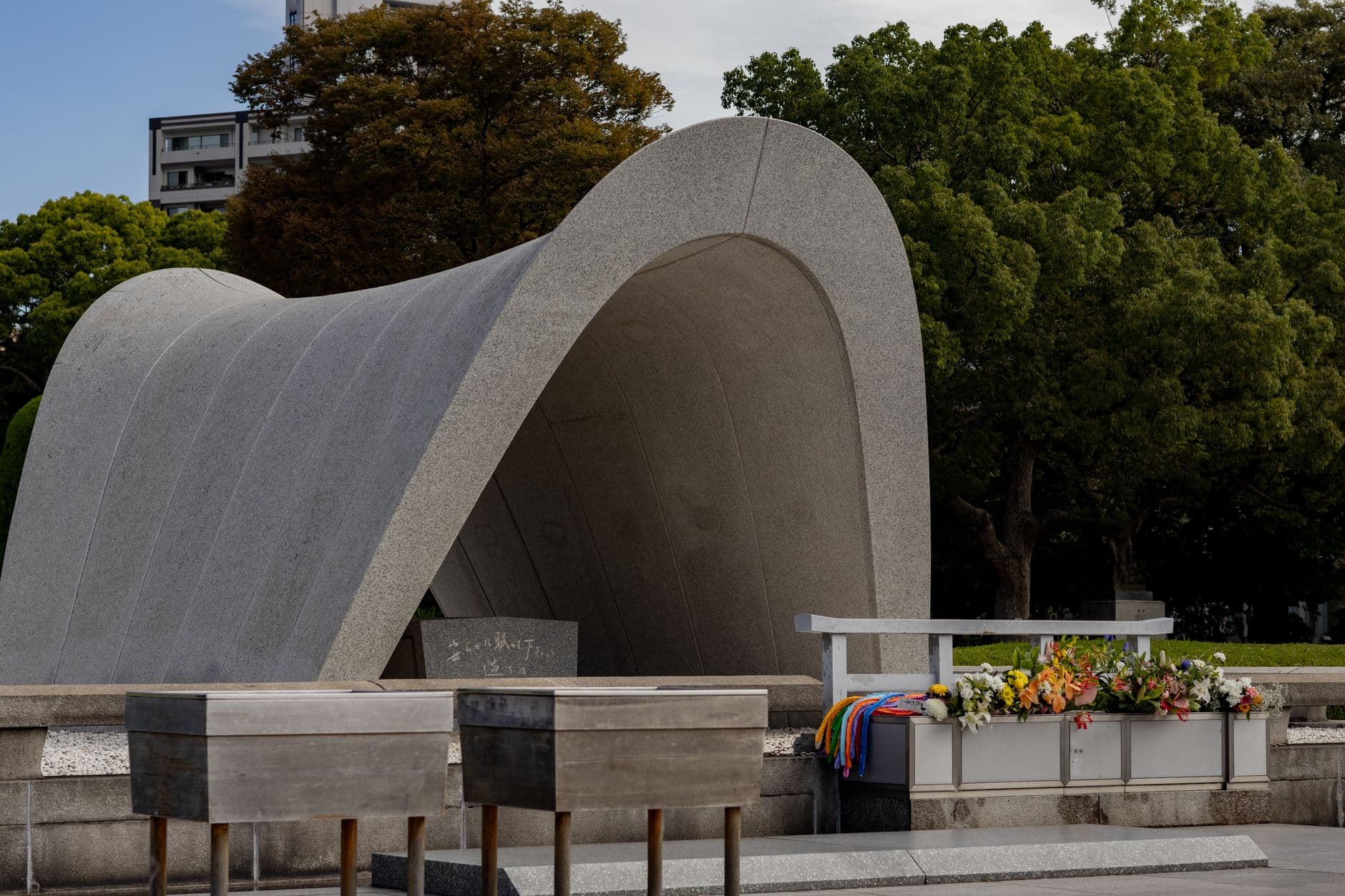
The Architecture of Leaving the Stove On
For most of human history, if you wanted to remember something important, you built a giant, pointy thing that poked the sky until the sky apologized. We have obelisks, we have arches, and we have statues of guys with very stern mustaches. But then 2011 rolled around, and the architects of the National September 11 Memorial looked at the most expensive real estate in Manhattan and said, "What if we just didn't?"
They gave us the 'Reflecting Absence' pools, which are essentially two massive, square, subterranean waterfalls that drain into a smaller, darker square hole in the middle. It is the architectural equivalent of a divide-by-zero error. Usually, when you see a hole that big in a city, it means a water main burst or a Kaiju is about to emerge and start complaining about the rent prices in Tribeca. Here, the hole is the point. It’s like the architects decided the best way to honor the past was to create a permanent, 1.8-million-gallon-per-minute leak that nobody is allowed to fix.
This shift changed everything about how we design cities. We went from "Look at this big thing we made" to "Look at this massive void where our stuff used to be." It’s the Marie Kondo method of urban planning: if the building doesn’t spark joy anymore, remove it and leave a haunting, geometrically perfect depression in the earth that makes tourists feel slightly guilty for eating a hot dog nearby.
The Psychology of the Fancy Puddle
There is something deeply funny about the human brain trying to process a waterfall that falls into another waterfall. If you stand there long enough, your internal GPS starts sweating. Most water features are designed to be soothing, like a bubbling brook or a decorative fountain in a dentist's office. These pools, however, are aggressive. They are loud. They are constant. They represent a $700 million commitment to the concept of "Ouch."
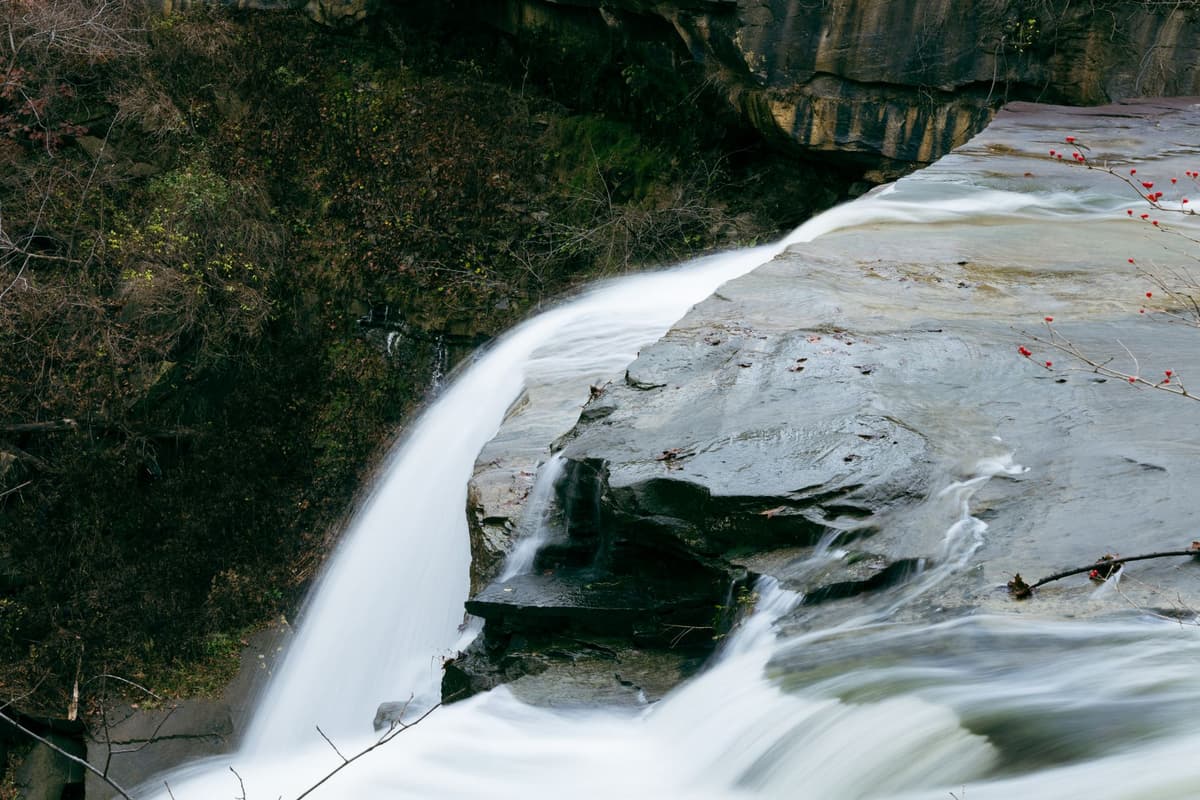
Photo by Owen.outdoors on Pexels
By preserving the footprints of the original towers, we’ve effectively told the city grid that it has to walk around its own ghosts forever. Usually, New York handles loss by building a luxury condo with a name like 'The Zenith' over the site of a beloved deli within forty-eight hours. But here, the void is structural. You can't pave over it. You can't put a Starbucks in it—though God knows they probably tried. It’s a permanent 'Reserved' sign for a party that ended twenty years ago.
This has created a new trend in 'Negative Space Urbanism.' Now, whenever something bad happens, architects start reaching for their shovels instead of their cranes. It’s a bold move. It’s like if you broke a vase and, instead of gluing it back together, you roped off that specific section of the carpet and forced your family to contemplate the 'Vase-Shaped Silence' every time they wanted to watch Netflix.
Why We Love a Good Void
Let’s be real: humans are suckers for a well-framed nothing. We love the Grand Canyon because it’s a big pile of nothing. We love the moon because it’s a big rock of nothing. The Twin Towers footprints work because they are the ultimate 'Ex-Boyfriend' of architecture. They aren't there, but they are very much there. You’re trying to have a nice day, and suddenly you’re staring at an acre of recycled water and thinking about the fragility of existence when you just wanted to find the nearest Shake Shack.
- It’s the only place in New York where 'down' is more important than 'up.'
- It forces you to acknowledge that the ground isn't just a floor; it's a memory card.
- It’s incredibly hard to skateboard into, which I assume was a primary design constraint.
If we had built two even bigger towers, we’d just be arguing about the elevator speeds or the quality of the observation deck gift shop. By building a hole, the architects bypassed the critics. You can’t tell someone their hole is the wrong shape. It’s a hole. It’s doing its job. It is successfully not being a building. It’s the most successful 'not-a-building' in the history of construction, and it cost more than most actual buildings.
Photo by Asia Culture Center on Pexels
What This Actually Means
Ultimately, the 'Phantom Footprint' is the ultimate flex of modern design. We have reached a level of civilization where we can afford to leave the most valuable dirt on the planet empty just to prove a point. It’s a psychological anchor that prevents the city from doing what it does best: forgetting everything in favor of progress. It’s a speed bump for the soul in a city that usually operates at 90 miles per hour.
It has taught us that sometimes the most powerful thing you can design is the space where you stop designing. By integrating loss into the city grid, we’ve made the grief part of the commute. You don't go 'visit' the memorial; you pass through it on your way to a meeting about cloud computing. It’s weird, it’s haunting, and it’s a little bit absurd, but it beats another bronze statue of a guy on a horse every single time.
We’ve traded the vertical ego for the horizontal ego. We aren't reaching for the stars anymore; we’re staring at the bedrock and making sure the water pump is still plugged in. It’s a strange way to run a city, but in a world obsessed with 'more,' there’s something hilariously poignant about a multi-billion dollar 'less.'
Quick Answers
Why didn't they just build new towers on the exact same spot?
Because staring at a 104-story office building doesn't make you contemplate the void; it just makes you wonder how much the janitors get paid.
Is it okay to take a selfie at the giant hole?
Technically yes, but if you use the 'Valencia' filter on a literal abyss, you are legally required to move to New Jersey.
Does the water go anywhere special?
It goes into a massive filtration system that costs more to run than a small country, ensuring the 'absence' stays perfectly clear and free of discarded Snickers wrappers.


