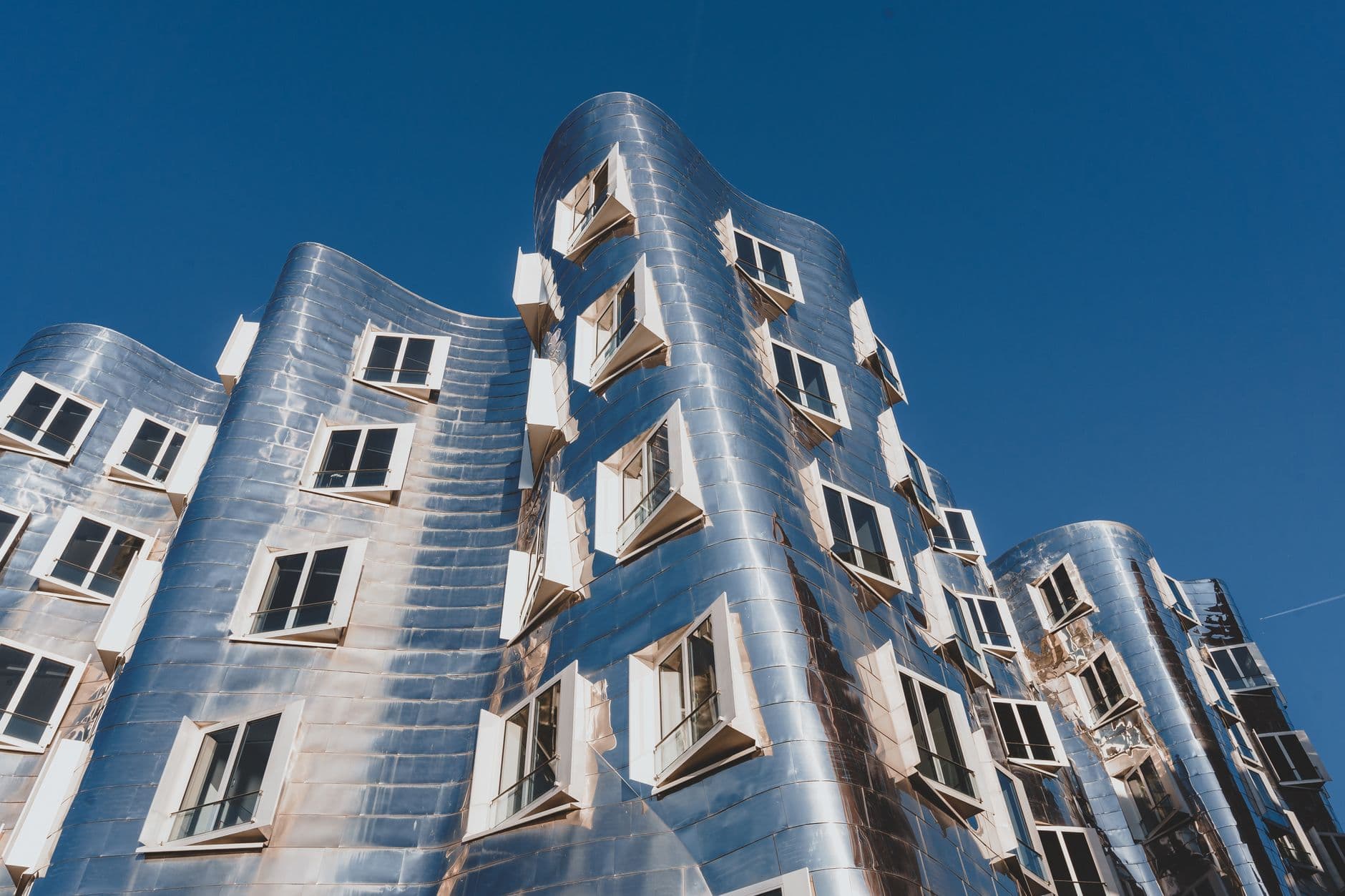
A window used to be a very simple negotiation between a human and the outdoors. You cracked it open when the room felt stuffy, or you leaned on the sill to watch a neighbor argue with a parking meter. It was a physical valve for light and air, grounded in the reach of a human arm. But lately, our cities are being wrapped in something else entirely: seamless, floor-to-ceiling glass membranes that don't open, don't breathe, and don't seem to care that people live behind them.
I find myself wondering when we decided that 'transparency' in architecture should feel so opaque in practice. When you see a building like the Burj Khalifa or the latest luxury spire in Hudson Yards, you aren't seeing windows; you’re seeing a skin. It is a technological achievement that somehow managed to make the most transparent material on Earth feel like a fortress wall. I want to know why the more glass we use, the less we actually see of each other.
The Vanishing Human Scale
There is a specific psychological comfort in a punched window—the kind you see in old brownstones or brick apartments. They are sized to the body. You can imagine a person standing there. But the modern glass curtain wall, which became the global standard for 'prestige' around the mid-20th century, erased that scale. When a building is just a continuous sheet of reflective blue, the individual disappears. It’s a design choice that prioritizes the silhouette of the building over the autonomy of the inhabitant.
I wonder if this shift is why modern cities feel so much lonelier despite being more crowded. In a building with traditional windows, the facade is a grid of possibilities. In a glass tower, it’s a singular, impenetrable statement of corporate or high-wealth identity. We’ve traded the 'eyes' of the street for a giant, mirrored sunglasses effect. You can look out, sure, but the city can’t look back at you in any meaningful way. It’s a one-way transparency that feels more like surveillance than community.
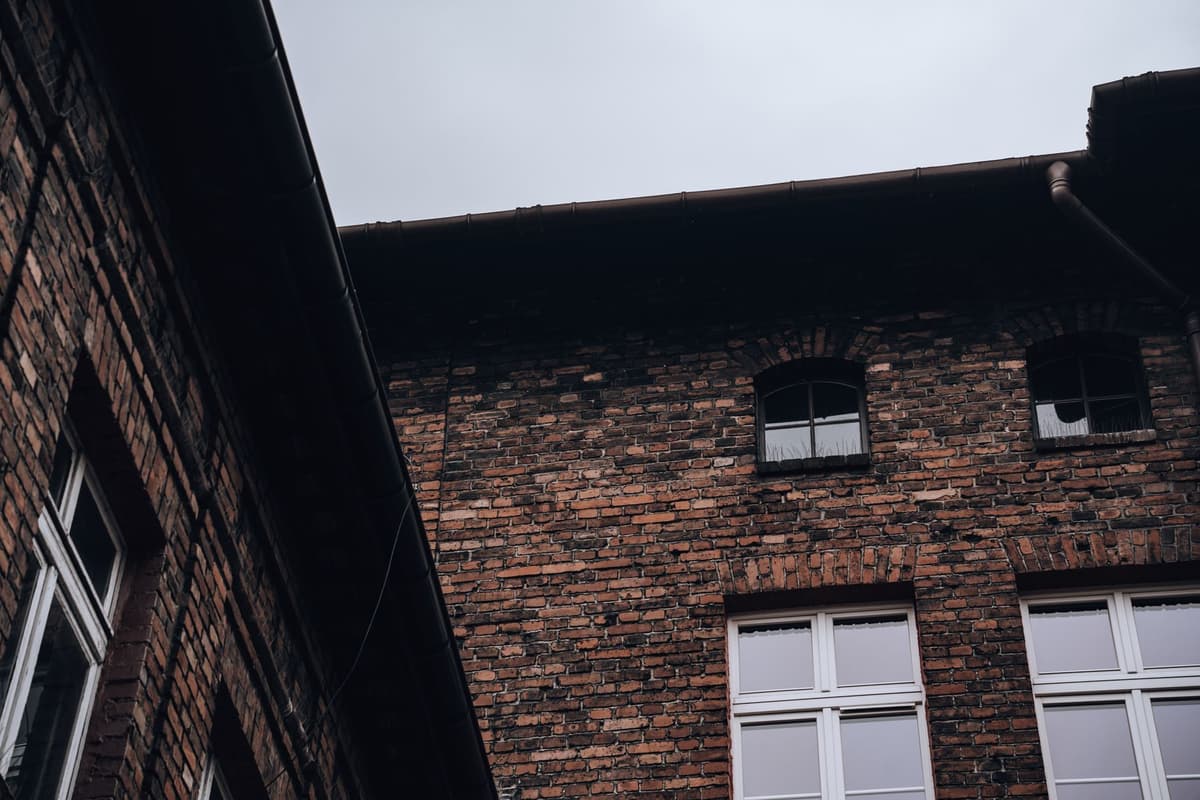
Photo by Klaudia Rak on Pexels
The Data-Driven Facade
Architects aren't just drawing these shapes because they look cool; they are being driven by thermal modeling and 'smart' glass metrics. We have turned the window into a data point. Today’s high-performance glazing is a marvel of engineering, coated in microscopic layers of silver to reflect infrared light while letting in visible spectrums. It’s designed to keep the HVAC bill down, which is great for the planet, but I wonder what it does to our brains.
When a window becomes a 'thermal envelope component,' we lose the tactile ritual of the outdoors. Many of these new towers are completely sealed. You are living in a pressurized capsule. There is something deeply strange about being 50 stories up, surrounded by 'visibility,' but unable to feel a breeze or hear the muffled roar of the street. It’s a sensory deprivation chamber disguised as a panoramic view. We are becoming spectators of our own neighborhoods rather than participants in them.
- The average glass curtain wall lasts about 30-40 years before the seals fail, making them oddly disposable for such massive structures.
- 'Bird-friendly' glass is a growing movement, adding dots or patterns to windows so animals don't fly into the illusion of empty space.
- The rise of 'switchable' privacy glass means we can now disappear at the touch of a button, turning our homes into frosted cubes.
The Class of the Reflection
There is a hierarchy to glass that I hadn't noticed until recently. In lower-income housing, windows are often small, functional, and frequently barred or screened. In the ultra-luxury tier, glass is the ultimate flex. The more 'invisible' your wall is, the more expensive your life. It creates this weird Rorschach test for the pedestrian: is that tower a sign of progress, or is it a giant middle finger made of silica?
I’m curious about the message we send when we build neighborhoods that look like giant mirrors. On a sunny day, these buildings literally project the sun back at the 'lesser' buildings around them, sometimes raising the local temperature by several degrees. It’s architectural narcissism. The building isn't interested in its context; it only wants to show the city a distorted version of itself. We are building ghosts of cities, where the light is everywhere but the heat is purely mechanical.
What This Actually Means
We are moving toward an urban experience that is visually loud but physically silent. By abandoning the traditional window, we are cutting the final tether between the private interior and the public square. The window used to be the 'middle ground'—a place where you could be half-in and half-out. Now, you are either inside the climate-controlled bubble or you are outside in the reflected glare.
I don't think we’re going back to 19th-century masonry, nor should we. But I think we need to ask if a building that doesn't let you open a crack to hear a bird sing is actually a place for living, or just a very expensive filing cabinet for humans. We need more than just 'transparency.' We need a bit of the messiness that comes with a window that actually works.
Ultimately, the way we design our windows tells us who we think we are. Right now, we seem to think we are observers who don't want to be observed, living in beautiful, sterile boxes that look out onto a world we’ve decided to keep at arm's length. I’m just wondering when we’ll want to reach out and open the glass again.
Quick Answers
Why can't we just open windows in skyscrapers?
Wind pressure at high altitudes creates massive forces that can rip a window off its hinges or cause dangerous pressure drops inside the building.
Is glass actually bad for the environment?
It’s complicated; while it provides natural light, glass is a terrible insulator compared to a solid wall, leading to massive energy loss in winter and heat gain in summer.
What is 'Psychological Fenestration'?
It’s the idea that the way windows are arranged affects our sense of safety, privacy, and connection to the community—basically, how a building's 'eyes' make us feel.


