Our New Overlords Have Flat Tails
Humanity spent the last three centuries paved over every square inch of dirt we could find, only to act shocked when the water has nowhere to go during a storm. Now, in a stroke of absolute genius, we have decided that the solution to our multi-billion-pound infrastructure crisis is a rodent with orange teeth and a penchant for structural engineering without a permit. The beaver statues atop the old Hudson’s Bay Company building on Oxford Street were originally there to celebrate the fur trade—essentially a monument to turning animals into hats—but we’ve conveniently rebranded them as icons of the "ecosystem engineer" movement.
It is truly peak human behavior to spend millions on concrete flood walls that fail, then turn to a 20-kilogram mammal and say, "You take it from here, Steve." We are unironically betting on the instinctual masonry of a creature that doesn't know what a spreadsheet is. The narrative has shifted from conservation to a desperate kind of outsourcing where we hope nature will fix the mess we made while we were busy building luxury flats on floodplains.
The Cost-Benefit Analysis of Sticks
Governments love rewilding because it is remarkably cheap compared to hiring a civil engineering firm. If you want to build a dam to prevent a village from drowning, you have to deal with environmental impact surveys, public consultations, and the inevitable 400% budget overrun. If a beaver does it, it’s "nature taking its course," and the labor costs are exactly zero pounds plus the occasional willow branch. It turns out that a "nature-based solution" is often just code for "we ran out of money for proper drainage."
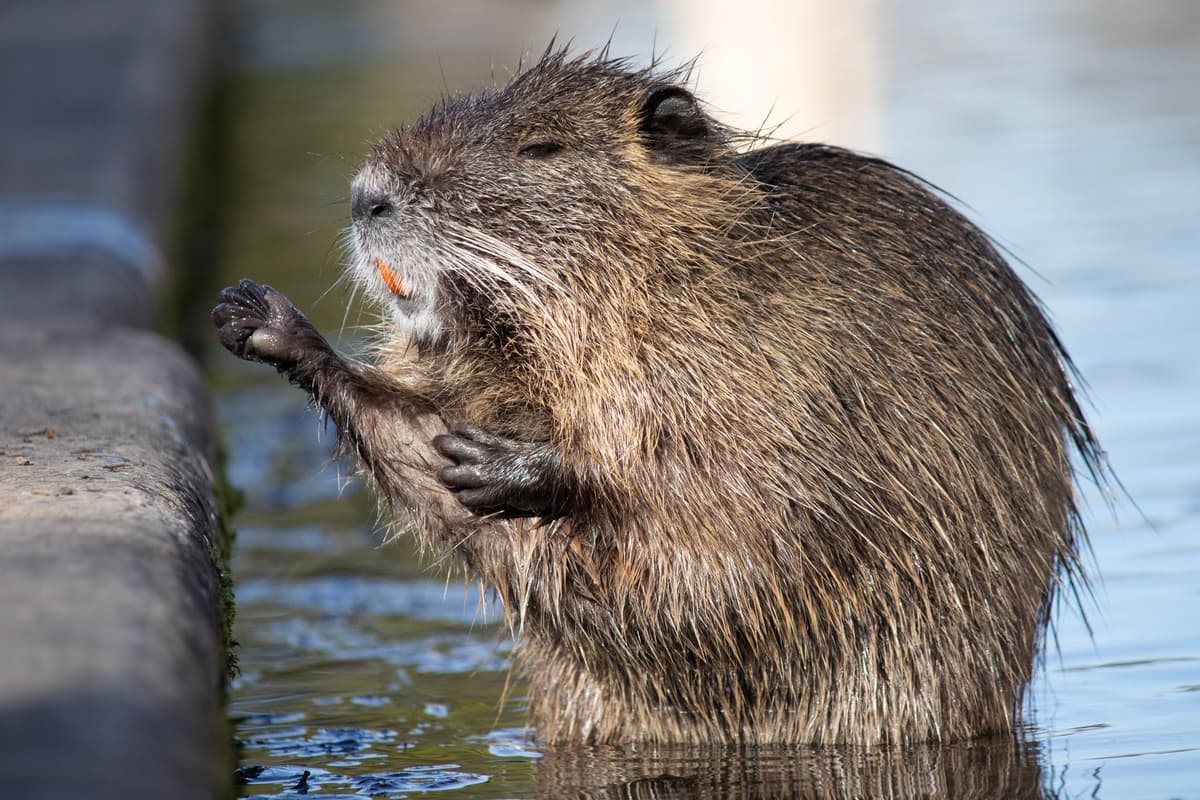
Photo by Nathan Cima on Pexels
The statistics are actually quite embarrassing for us. Studies from sites like the River Otter Beaver Trial showed that beaver dams can reduce peak flood flows by up to 30%. That is a staggering efficiency for an animal that spends half its day grooming its belly. We’ve spent the better part of a century trying to pipe, channel, and redirect water with the precision of a Swiss watch, only for a family of rodents to show up and do a better job by throwing a literal pile of trash into a creek.
Oxford Street's Bronze Prophecy
Those statues at 211 Oxford Street are a hilarious reminder of our shifting priorities. In the 1920s, the beaver was a commodity, a resource to be harvested until there were none left in the UK. Today, we treat them like mystical climate consultants. We are reintroducing them to places like Enfield and Ealing, hoping they—unlike the local council—can figure out how to manage a heavy downpour without the tube stations turning into swimming pools.
There is a certain irony in urbanites romanticizing the beaver. We want the flood protection and the "biodiversity boost," provided the beavers stay in their designated suburban enclosures and don't start gnawing on the legs of our designer patio furniture. We want the "wild," but we want it to behave itself and stay within the lines of a PowerPoint slide about sustainability goals. It’s a very controlled kind of chaos we’re inviting back into the fold.
What This Actually Means
Admitting that beavers are better at water management than we are is the ultimate white flag. It is a confession that our "mastery" over the environment was mostly just us making things brittle and expensive. By frames these animals as "ecosystem engineers," we are trying to give them a job title that makes our total reliance on them feel less like a failure of human ingenuity and more like a visionary partnership.
Ultimately, the rewilding trend is a form of desperate nostalgia. We are looking at those bronze statues on Oxford Street and realizing that the world they represented—one where nature actually functioned on its own—was a lot more resilient than the one we built out of asphalt and hubris. If the beavers succeed, they won't get a pension or a thank-you note; they'll just get to keep living in a swamp. Which, to be fair, is still a better deal than most people get in London real estate.
Quick Answers
Are beavers actually going to stop my basement from flooding?
Maybe, if you live near a stream and the beaver happens to feel like building a dam exactly where the hydrologists hope it will. They don't take requests, so your mileage may vary.
Why are there beaver statues on Oxford Street specifically?
They were the symbol of the Hudson’s Bay Company, which basically owned half of Canada and made its fortune selling beaver pelts to Europeans who wanted to look fancy. It was less about ecology and more about high-end rodent fashion.
Is rewilding just a scam to save money on infrastructure?
It’s a very effective way to do both. Nature is surprisingly good at its job when we stop stabbing it, and it conveniently doesn't charge for overtime or require a VAT invoice.


