The Accidental Gardeners of the Industrial Age
We spent decades viewing the strip of land next to train tracks as a desolate wasteland populated by discarded cigarette butts and particularly hardy invasive shrubs. But thanks to a sudden pivot in branding, those same strips of dirt have been promoted to 'Micro-Climates of Transit.' It is a stroke of linguistic genius. If you can't clean up the diesel soot, simply rebrand the dandelions growing in it as a high-resolution longitudinal study of carbon sequestration.
The concept is simple: take the existing sensors on inspection trains—the ones usually used to make sure the track doesn't literally disintegrate under a freight load—and pretend they were always meant to be botanical scanners. By 'scanning' the vegetation at 80 miles per hour, we are creating a Vegetation Digital Twin. Because in the 2020s, nothing is real unless it has a digital twin that consumes three times more electricity to maintain in a server farm than the actual plant ever produced in oxygen.
High-Resolution Weeds and Digital Soil
This 'flatbed scanner' approach is a masterclass in making a virtue out of a necessity. We have thousands of miles of track that we are legally required to inspect anyway. By attaching a few more high-definition cameras and LIDAR units, we can now track the exact growth rate of a single patch of Japanese Knotweed with the precision of a Swiss watchmaker. It’s an incredible achievement in data collection that primarily tells us what we already knew: plants grow where people don't walk.
- The data resolution is high enough to identify individual species of moss clinging to a concrete sleeper.
- We can now model the exact 'carbon sink' potential of a drainage ditch.
- Algorithms can predict when a branch might fall on a wire, which we used to call 'looking out the window.'
There is something deeply poetic about using multi-million dollar sensor arrays to monitor the health of flora that thrives specifically because we’ve spent a century poisoning the soil with creosote and heavy metals. We are essentially building a high-tech surveillance state for ferns. The plants, notably, have not been consulted on their new roles as data points in a national net-zero strategy.
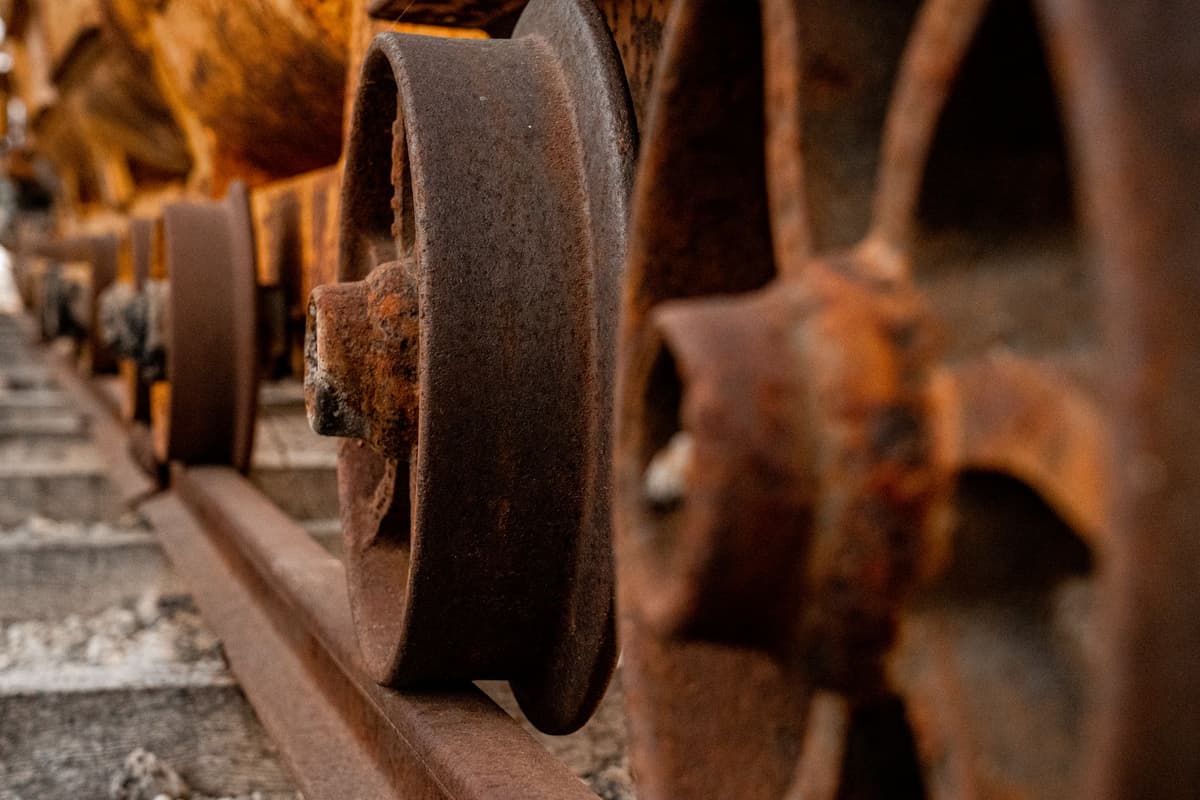
Photo by Castorly Stock on Pexels
The Biodiversity Superhighway Rebrand
Calling a train corridor a 'biodiversity superhighway' is the kind of marketing jargon that deserves a standing ovation. It suggests that squirrels and foxes are using the London-to-Edinburgh line as a sort of high-speed transit system for genetic exchange. In reality, it just means that because humans are generally prohibited from wandering onto live tracks, nature has done what it always does when we leave it alone: it grew some leaves.
By framing these corridors as essential 'carbon-sequestration corridors,' rail networks can suddenly offset the massive environmental cost of, say, building a new high-speed line through an actual ancient woodland. It's a convenient bit of accounting. If you destroy a forest over here, just point the 'flatbed scanner' at the weeds over there and claim you’ve discovered a brand new carbon sink. The math always balances if you define 'nature' loosely enough.
What This Actually Means
At its core, the Vegetation Digital Twin is a way to turn maintenance costs into ESG (Environmental, Social, and Governance) assets. Every dollar spent on track inspection can now be logged as an investment in climate research. It’s a brilliant move for the spreadsheets, even if the actual environment remains largely indifferent to whether its picture was taken by a high-speed camera or not.
We are entering an era where industrial land-use is being aggressively green-washed through the power of 'digital twins' and 'longitudinal studies.' If we can convince ourselves that a railway embankment is a vital ecological organ, we don't have to feel as bad about the fact that we’re still running 40-year-old diesel locomotives on half the network. Data, it seems, is the ultimate carbon offset.
Ultimately, the 'Micro-Climates of Transit' will provide us with a beautiful, high-definition map of exactly how much nature we’ve managed to trap between two lines of steel. We’ll have the most well-documented weeds in human history. And in the race to net-zero, apparently, having a digital 3D model of a shrub is almost as good as actually planting a tree.
Quick Answers
Is the railway actually a 'flatbed scanner'?
Only in the sense that it moves in a straight line and records things; it lacks a lid, and you can't use it to scan your passport, though it does a great job of documenting trash.
Do the 'Digital Twins' help the plants grow?
No, the plants are remarkably unaware of their digital counterparts, though the server racks storing the data do provide a lovely source of waste heat for local pigeons.
Will this save the planet?
It will certainly save the reputations of several infrastructure companies by allowing them to claim 'ecological stewardship' over land they were already accidentally owning.


