
Your Freezer Is Making A Weird Noise
Imagine you have a chest freezer in your garage that hasn't been opened since 1984. Inside, there is a half-eaten TV dinner, some gray peas, and a small, vibrating container labeled 'DO NOT TOUCH OR HUMANITY ENDS.' Now, imagine your garage is currently on fire, the power is out, and the container is starting to leak a suspicious green sludge. That is basically the current situation in the Siberian Arctic, except instead of a garage, it’s a massive chunk of the Earth’s crust that’s supposed to stay frozen until the sun burns out.
Reports are trickling out that a lab worker in a remote Russian facility might have succumbed to Yersinia pestis—the Black Death. Yes, the one with the rats and the pointy-nosed masks. While the rest of us are worried about getting a slightly spicy version of the flu, Siberia is out here throwing it back to the 14th century like it’s a vintage fashion trend. The US is 'closely monitoring' the situation, which is diplomatic speak for 'staring intensely through a telescope while sweating profusely.'
The Permafrost Is Just Spicy Dirt Now
For thousands of years, the permafrost acted as nature’s witness protection program for the world's nastiest pathogens. It was reliable. It was cold. It didn't ask questions. But thanks to the planet getting roughly as warm as a discarded hot pocket, that frost is now just 'regular frost' or, in many cases, 'unpleasant mud.' When the ground thaws, it doesn't just release carbon; it releases things that have been waiting ten thousand years for a second chance to ruin someone's weekend.
Siberia is currently home to a network of research labs that are, let’s say, 'historically significant.' That’s code for 'built during the Cold War with the structural integrity of a gingerbread house.' When you combine ancient, angry bacteria with a lab that hasn't seen a renovation since Brezhnev was in power, you aren't doing science anymore. You’re filming a disaster movie where the budget was spent entirely on cigarettes and vodka.
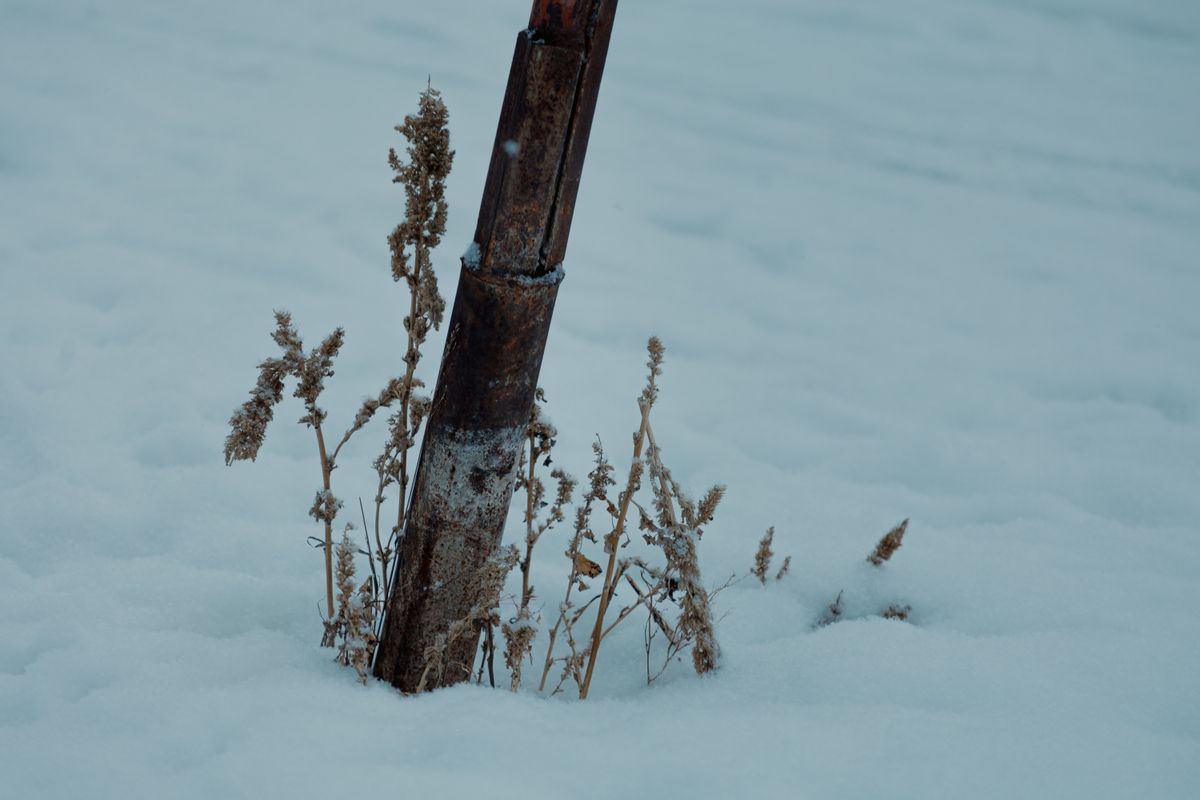
Photo by Daniil Kondrashin on Pexels
Russian scientific infrastructure in the Arctic is a chaotic mess of high-tech ambition and low-tech reality. We are talking about facilities where the most advanced piece of safety equipment might be a very heavy rock placed in front of a drafty door. If a worker gets exposed, the 'diplomatic terrain' becomes a nightmare because Russia treats its lab data like a secret family recipe—if the recipe involved weaponized anthrax and a complete lack of transparency.
Plague Is The Ultimate Vintage Comeback
We really didn't have 'The Return of the Black Death' on our 2024 bingo cards, mostly because we assumed we’d be killed by AI or a rogue billionaire’s rocket first. But the plague is a classic for a reason. It’s got brand recognition. It’s got history. It’s the vinyl record of pandemics—unnecessary, difficult to handle, and beloved by people who think everything was better in the 'old days.'
The problem is that the Arctic is no longer a remote wasteland where things go to die; it's a strategic highway. Everyone wants the oil, the minerals, and the shipping routes. But nobody wants the 'Geopolitical Pathogen' hitching a ride on a cargo ship. International health bodies are trying to figure out how to ask Russia if their lab is leaking without starting World War III, which is like trying to tell a neighbor their dog is digging up your yard while the neighbor is holding a running chainsaw.
- The permafrost has warmed by nearly 0.4°C in just a decade.
- Russia’s 'Vector' lab is one of the few places on Earth that still holds smallpox samples.
- In 2016, an anthrax outbreak in Siberia killed 2,000 reindeer because a 75-year-old carcass thawed out.
What This Actually Means
This isn't just about one guy in a lab coat having a very bad day; it’s about the fact that our planet’s 'Off' switch for ancient diseases is currently melting. We’ve spent decades treating the Arctic like a giant Tupperware container we could just ignore, but the seal is broken and the contents are smelling a bit funky. If we don't find a way to coordinate biosecurity across borders—even with countries we currently want to throw into a dumpster—we’re going to be fighting diseases that haven't seen the light of day since humans lived in caves.
Geopolitics usually involves arguments over borders and taxes, but 'don't let the ancient death-mud escape' should be a fairly bipartisan issue. You can't sanction a bacteria. You can't put a tariff on the plague. It doesn't care about your 'strategic implications' or your 'sovereign territory.' It just wants to find a host and start a party like it’s 1347.
We are entering an era where the biggest threat to national security might not be a missile, but a very old, very grumpy microbe that just woke up from a long nap. It's time to stop treating Arctic security like a game of Risk and start treating it like a biohazard cleanup. Or, at the very least, someone should probably buy the Russian labs some better caulking for their windows.
Quick Answers
Do I need to buy a plague mask?
Only if you want to look like a steampunk crow at the grocery store, but medically, modern antibiotics actually work on the plague, so don't panic yet.
Is the permafrost really that dangerous?
Yes, it's basically a cemetery for everything bad that's happened in the last 100,000 years, and it's currently turning into a swamp.
Why won't Russia just share the data?
Because in the world of high-stakes geopolitics, admitting your lab has a 'plague leak' is considered a bit of an embarrassing social faux pas, like forgetting someone's name at a wedding.

