
The Security Consensus Is Hiding In The Bathroom
For decades, Israeli politics had a 'Security Consensus' that was about as flexible as a frozen bagel. The vibe was simple: everyone agreed that being punched in the face was bad, so they should probably buy more helmets. But as we crawl toward the 2026 legislative election, that consensus has the structural integrity of a wet napkin. People are tired. They aren't just tired of the news; they are 'forgetting to put on pants before a Zoom call' levels of exhausted. The 'forever war' fatigue has set in, and the Israeli voter is starting to look at geopolitical strategy the way a toddler looks at broccoli—with deep, soul-crushing suspicion.
Traditionally, you could win an election by pointing at a map and looking grim. Now? If a politician tries to talk about long-term strategic depth, the average voter just wants to know if they can afford a milky pudding and a one-bedroom apartment that doesn't double as a bomb shelter. The domestic fatigue is clashing with these massive, glittering dreams of a 'Greater Middle East' economic corridor. It’s like trying to plan a cross-continental road trip in a Ferrari while your engine is making a sound like a skeleton in a tumble dryer.
The Abraham Accords Are The Ultimate FOMO
While the domestic scene is a mess, the regional neighborhood is trying to undergo a glow-up. We’re talking about the IMEC—the India-Middle East-Europe Economic Corridor. This is basically a giant, multi-billion dollar 'Keep Out of My Business' pact disguised as a railway. The Abraham Accords were the VIP invite to this party, but the 2026 election is turning into a referendum on whether Israel actually wants to put on a suit and show up, or just stay home and throw rocks at the neighbors’ fence.
- The UAE and Bahrain are standing by the punch bowl, checking their watches.
- Saudi Arabia is outside in the driveway, deciding if they even want to park the car.
- Israel is inside, currently having a mid-life crisis and debating if it should reinvent itself as a hermit kingdom.
If 2026 goes sideways, the whole 'normalization' vibe doesn't just stall; it becomes that awkward Tinder date where one person is talking about marriage and the other is trying to figure out how to climb out the bathroom window. You can't build a trillion-dollar trade route through a country that is busy having a three-year-long existential crisis about its own identity.
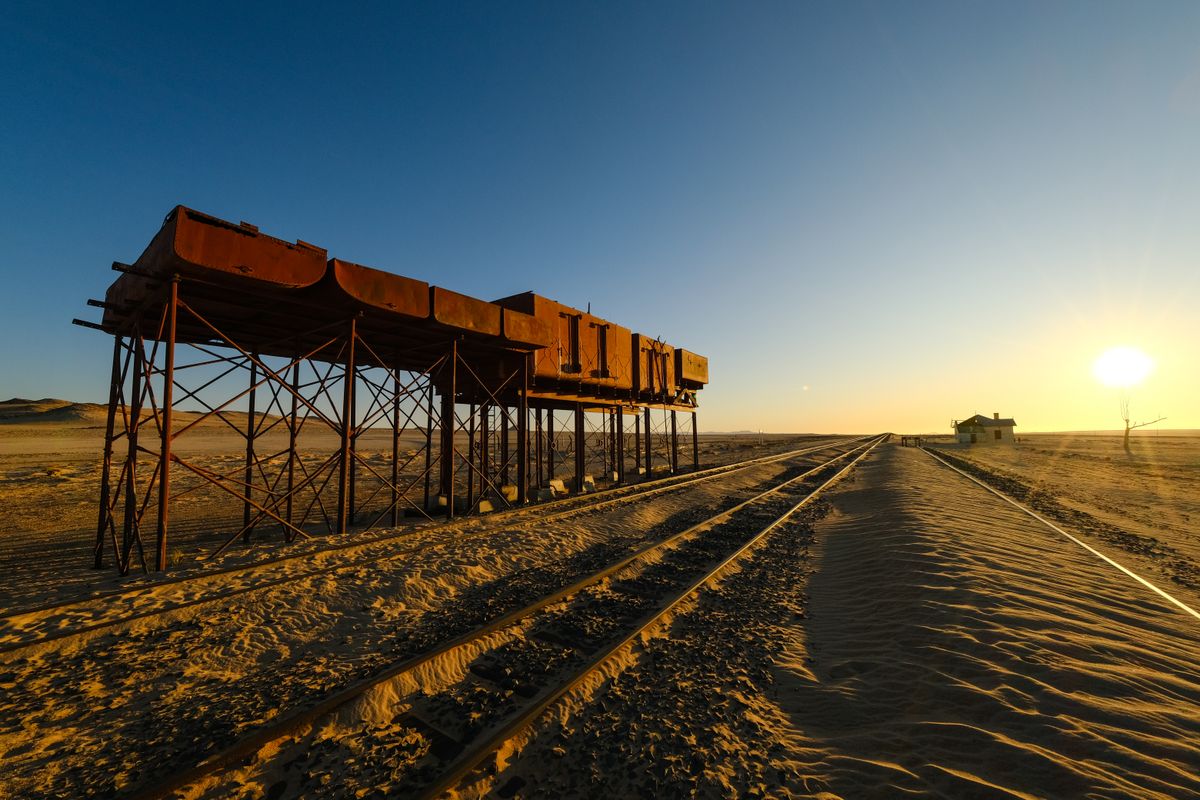
Photo by Francesco Ungaro on Pexels
The Great Geopolitical Vibe Shift
This isn't just about who gets to sit in the big chair in Jerusalem. It’s about whether the Middle East transitions from a 'Zone of Conflict' to a 'Zone of Really Expensive Logistics.' The 2026 election is essentially a giant HR meeting for the entire region. The candidates are essentially arguing over whether the country should be a high-tech fortress or a Mediterranean transit hub. It’s hard to be a transit hub when your main export is 'complicated political drama' and your main import is 'global concern.'
The irony is that the more the world pushes for this economic corridor, the more stressed the Israeli electorate gets. It’s like being told you have to host Thanksgiving for forty people when you’ve just discovered a leak in your roof and your cat is missing. The pressure to perform as a 'stable regional partner' is making the domestic instability look even funnier—in a 'laughing so I don't cry' kind of way.
What This Actually Means
In the end, the 2026 election is going to be the world’s most expensive Yelp review. Voters will decide if the Abraham Accords were a brilliant strategic pivot or just a very fancy distraction from the fact that the old security model is currently on life support. If the 'Security Consensus' can’t be rebuilt, the 'Greater Middle East' dream might end up looking like a very expensive PowerPoint presentation that nobody actually watches.
We are looking at a fundamental shift where 'security' is no longer just about having the biggest stick. It’s about whether you can keep your internal act together long enough to sign a contract without the pen breaking. If Israel can't find a new consensus, it risks becoming the one person at the potluck who forgot to bring a dish but still wants to control the music playlist.
Ultimately, the Middle East is moving toward a future of trade and tech, and the 2026 ballot is the boarding pass. The question is whether the Israeli public is ready to get on the plane or if they’re going to spend the next four hours arguing with the gate agent about their carry-on luggage. It’s going to be loud, it’s going to be messy, and there’s a high probability someone is going to lose their shoes.
Quick Answers
Is the 'Security Consensus' actually dead?
It’s not dead, but it’s definitely in a medically induced coma and the doctors are arguing over who gets to keep its parking spot.
Will the 2026 election cancel the Abraham Accords?
Unlikely, but it might turn them into a 'Long Distance Relationship' where everyone stops liking each other's photos on Instagram.
What is the 'Greater Middle East' corridor anyway?
It’s a massive plan to move goods from India to Europe via the Middle East, basically a giant 'Skip the Suez Canal' button that costs billions of dollars.
