The Basal Ganglia Is Your Personal Saboteur
For decades, the self-help industry has been lying to you about 'willpower' and 'mindfulness' as if you could simply think your way out of a midnight doom-scroll or a nicotine addiction. It turns out that your basal ganglia—the primitive, lizard-brained lump of gray matter tucked deep in your skull—doesn't care about your vision board. New research shows that this region is essentially a lazy accountant that has discovered a loophole: it can bypass your conscious choice entirely by 'dipping' neural pathways in dopamine until they become permanent fixtures of your personality.
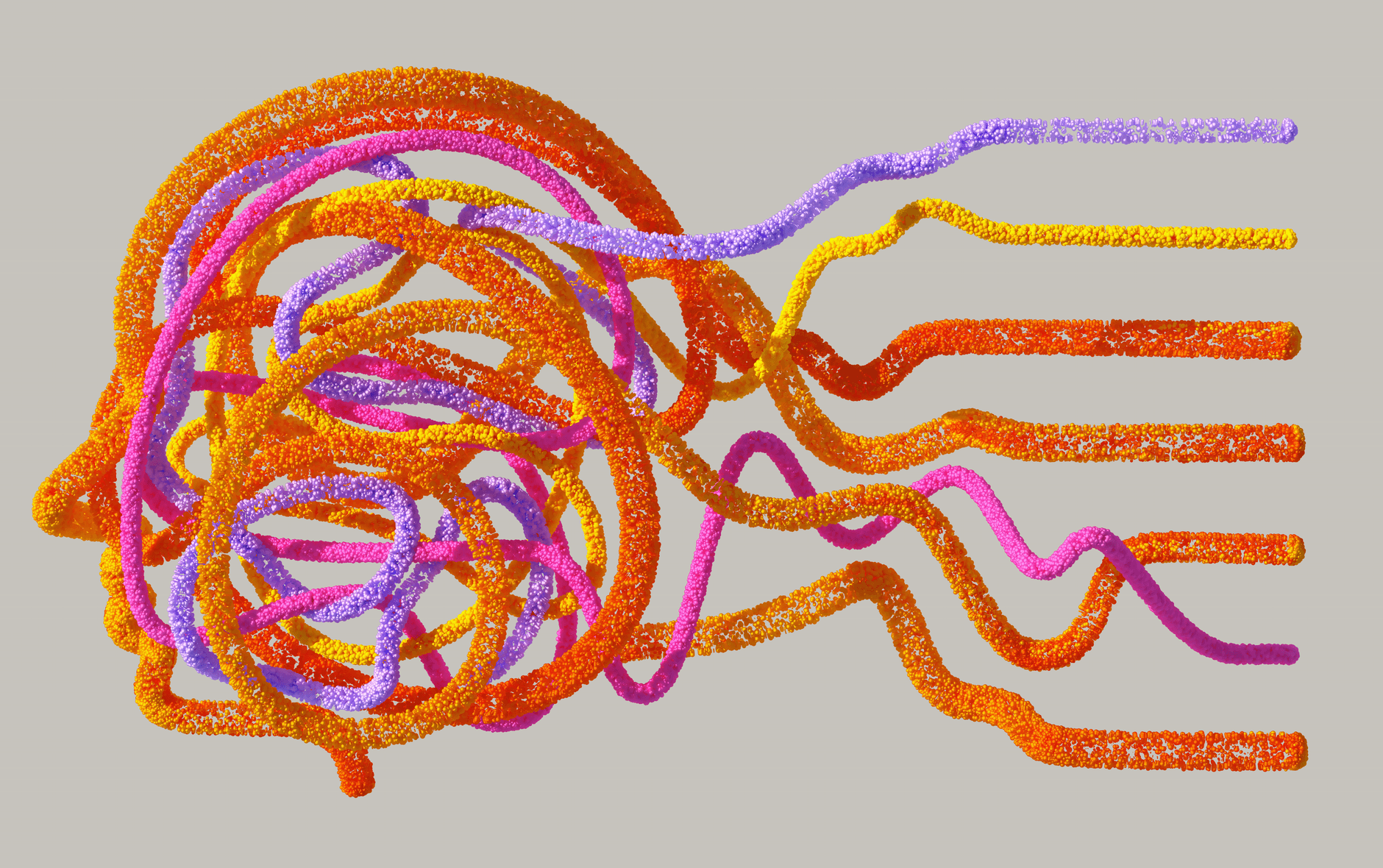
This 'synaptic stickiness' isn't a glitch; it’s a design choice. Your brain is a calorie-saving machine that views thinking as a luxury it can’t always afford. By ritualizing your worst behaviors into high-speed neural superhighways, it saves energy for more important things, like remembering the lyrics to a commercial jingle from 2004 while you're trying to sleep. Once a habit is 'stuck,' your conscious mind is just a passenger in a car driven by a dopamine-starved toddler.
The Dopamine Dip Is Not a Spa Treatment
The mechanism here is as elegant as it is frustrating. When you engage in a destructive habit, your brain releases a burst of dopamine that acts like a industrial-strength adhesive. It coats the synapses in the basal ganglia, ensuring that the next time you encounter a trigger, the electrical signal doesn't even bother visiting the prefrontal cortex—the part of the brain that knows you have a mortgage and a liver to protect. Instead, it takes the 'sticky' path of least resistance.
Researchers have found that this process is terrifyingly efficient. We aren't talking about weeks of repetition. In some cases, the 'reward' timing is so perfectly calibrated that the brain decides a behavior is a 'survival necessity' within hours. It’s why you can decide to 'just check one email' and find yourself staring at a blank wall three hours later, wondering where the sun went. Your neurons have literally physically reshaped themselves to make that bad decision the most efficient path through your head.
Solving Problems With Lasers and Mind Control
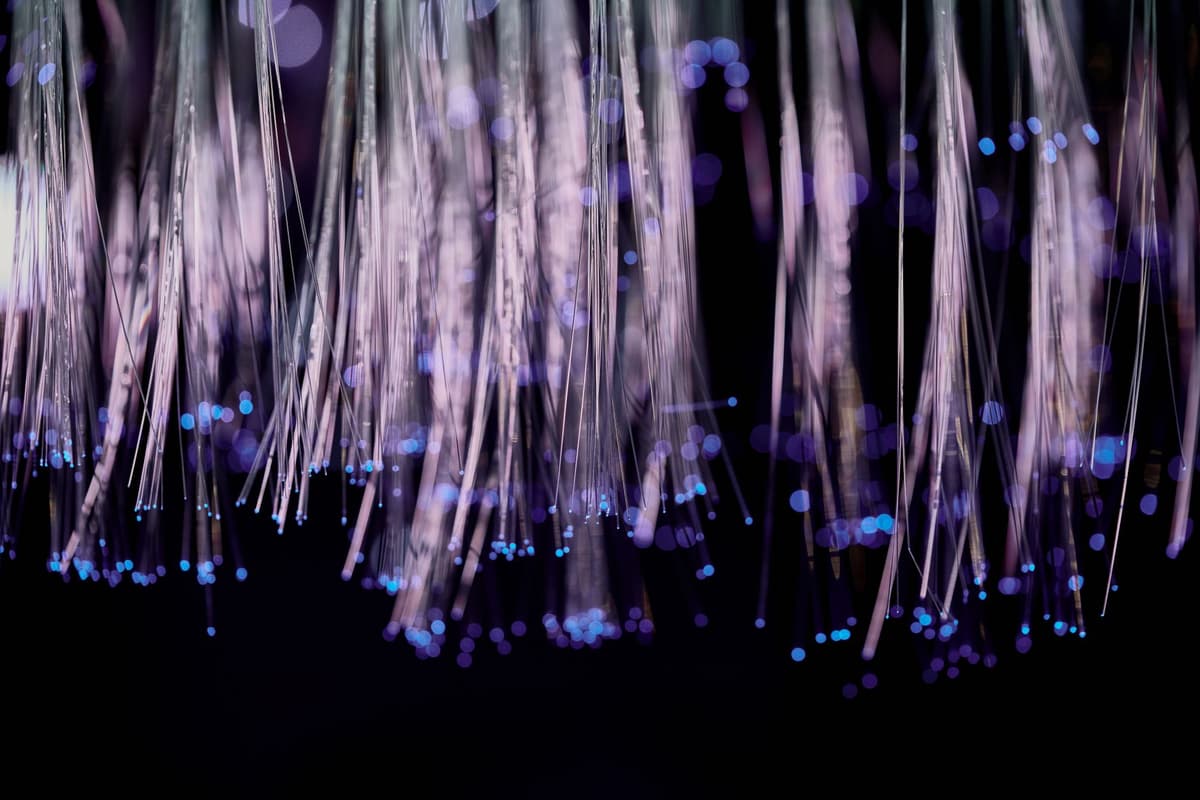
Since we clearly can’t be trusted to govern ourselves, scientists are now turning to optogenetics to do the heavy lifting. This involves genetically modifying neurons so they respond to light, then literally shining a laser into the brain to 'un-stick' these pathways. It’s the neurological equivalent of hitting a frozen computer with a hammer, except the hammer is a fiber-optic cable and the computer is your personality. By recalibrating the timing of reward signals, they can effectively trick the brain into thinking that 2 a.m. taco bell isn't actually that great.
It’s a charmingly dystopian solution to a human problem. We’ve reached a point where our biology is so poorly adapted to the modern world that we need to install high-tech light switches in our skulls to stop ourselves from being self-destructive. If you find the idea of a lab technician toggling your cravings with a remote control unsettling, just remember that your current alternative is letting a cluster of 'sticky' neurons run your life because they think sugar and outrage are the only things keeping you alive.
What This Actually Means
This research confirms what most of us suspected: the 'self' is a very thin coat of paint on a very old, very stubborn house. Your brain isn't trying to help you succeed in your career or find a stable relationship; it's trying to minimize the amount of glucose it has to burn while ensuring you get a hit of dopamine as quickly as possible. We are essentially meat-puppets controlled by a basal ganglia that has the long-term planning skills of a goldfish on espresso.
The realization that habits are physically 'stuck' should be a relief, in a bleak sort of way. It means your failure to stick to a diet isn't a moral failing; it's just that your cellular machinery has been hijacked by a reward system that hasn't had a firmware update in 50,000 years. We are walking around with hardware designed for the Pleistocene trying to navigate a world designed by Silicon Valley engineers who know exactly how to trigger our 'synaptic stickiness.'
Until we all get our mandatory brain lasers, the best we can do is realize that our 'choices' are often just echoes of past dopamine spikes. You aren't actually deciding to do that thing again; you're just sliding down a well-greased neural slide. It’s not freedom, but at least now we have a scientific name for our lack of it.
Quick Answers
Can I think my way out of a stuck habit?
Technically yes, but your brain is actively working against you by making that the most energy-expensive option possible.
Is the 'dopamine dip' real?
It’s a metaphorical way to describe how reward signals physically strengthen synaptic connections, making them 'stickier' and harder to reroute.
When can I get the brain laser?
Unless you are a laboratory mouse or have a very specific set of neurological disorders, you’re stuck with your currently sticky synapses for the foreseeable future.


