A Mirror for My Own Genius
Humans have spent the last century perfecting the art of building giant, vertical middle fingers to the concept of physics. We love a good curtain-wall skyscraper. It says everything we want to say about modern society: it’s shiny, it’s expensive, and it requires a small army of people with squeegees to keep it from looking like a thumbprint-covered iPad. The problem is that while we are busy admiring our own reflections in the 40th-floor windows of a hedge fund headquarters, birds are busy turning into biological confetti against the glass.
Estimates suggest that up to one billion birds die in the U.S. alone every year from building collisions. That is a staggering amount of structural failure for a species that claims to be the smartest on the planet. We’ve essentially built a global network of invisible walls and then acted surprised when the local wildlife didn't check the blueprints. For decades, the architectural solution was basically a shrug and a hope that the cleaning crew got there before the morning commuters did.
Now, however, we have "science" to the rescue. Apparently, birds see in the ultraviolet spectrum, a realization that has sent the design world into a tizzy of self-congratulation. We’ve discovered that if we stop making buildings look like the sky, birds might stop trying to fly through them. Truly, we are the masters of the obvious.
The UV-Reflective Revolution
To solve a problem we created with our own vanity, we are now pivoting to biomimetic facades. This is a fancy way of saying we’re putting stickers on the glass, but we’re doing it with a PhD. By using UV-reflective patterns that mimic spider webs or dense foliage, we can create a window that looks perfectly clear to a human—who is notoriously bad at seeing anything useful—but looks like a solid, neon 'DO NOT ENTER' sign to a warbler.
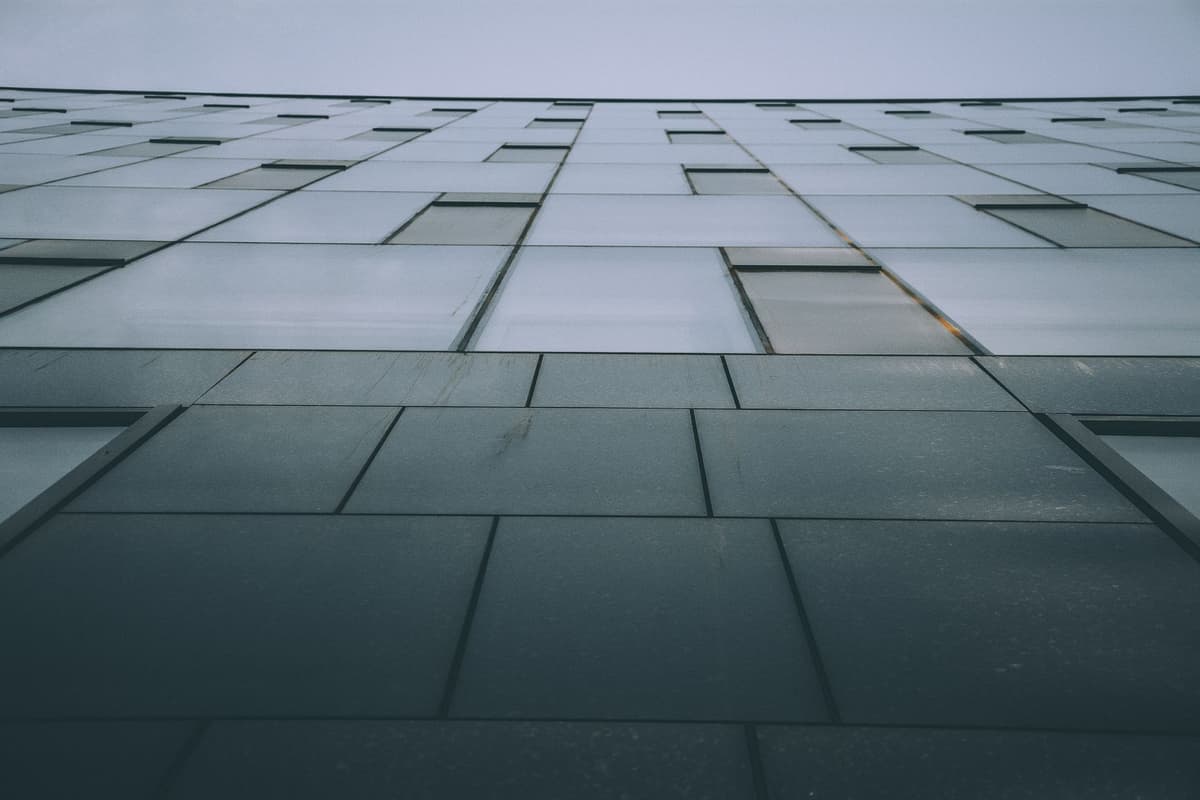
Photo by Evgeniy Grozev on Pexels
The irony here is exquisite. We are spending millions of dollars on research and development to create glass that is effectively invisible to us but visible to birds, all so we can keep building the same glass boxes we’ve been obsessed with since the 1950s. We could, of course, just use different materials. We could use stone, or wood, or patterned metal, or literally anything that doesn't pretend to be a hole in the air. But no, the aesthetic of the 'transparent' office is non-negotiable, even if that transparency is a lethal lie.
Architects are now bragging about "avian-integrated design" as if they’ve invented a new form of altruism. In reality, they're just finally acknowledging that their buildings shouldn't be passive-aggressive bird traps. It’s a low bar to clear, yet we’re treating it like the invention of the wheel.
Photography as a Crime Scene Tool
Ultraviolet bird photography has become the latest tool for architects to prove they aren't murderers. By photographing buildings through UV filters, researchers can show exactly how much of a deathtrap a new development is before the first sparrow hits the deck. It turns out that a lot of the glass we thought was "safe" looks like a wide-open highway to a bird.
This technology has forced a shift in how we think about urban surfaces. We used to think of a skyscraper as a solid object; now we have to think of it as a broadcast signal. If your building isn't screaming "I AM A WALL" in a frequency birds can hear, you’re basically running an un-permitted cull of the local ecosystem.
Cities like New York and Chicago are actually starting to mandate this stuff. Imagine the bureaucratic joy of a zoning meeting where people argue over the density of UV-reflective dots. We’ve moved from the era of "form follows function" to the era of "form follows the fact that we don't want a pile of dead starlings on the sidewalk during the 9:00 AM rush."
What This Actually Means
The "Invisible Collision Crisis" is a perfect monument to human arrogance. We spent decades building cities that ignored the most basic biological realities of our neighbors, and now we’re patting ourselves on the back for using high-tech stickers to fix it. It’s the architectural equivalent of a toddler being praised for finally using a napkin after wiping their hands on the curtains for five years.
Ultimately, this shift toward biomimetic facades isn't just about the birds; it’s about the slow, painful realization that our "modern" aesthetic is actually just lazy. A mirror-sheen glass box is the easiest thing in the world to design. It requires no thought about shadow, texture, or context. By forcing architects to consider avian vision, we’re accidentally forcing them to actually design something interesting for a change.
We might end up with cities that look a little less like a hall of mirrors and a little more like something that belongs on this planet. It only took a billion dead birds a year to get us to consider that maybe, just maybe, walls should look like walls.
Quick Answers
Do birds really not see glass?
No, they see the reflection of the sky or the trees behind them and assume they’re clear for takeoff. They don't have a concept of 'structural transparency' because nature generally doesn't produce invisible barriers.
Is bird-safe glass more expensive?
Yes, because adding UV-reflective patterns requires actual effort and specialized manufacturing. Apparently, not killing wildlife is a premium feature now.
Will my house windows kill birds?
Statistically, yes. Residential windows are a huge part of the problem, but since you don't have a LEED-certified skyscraper, nobody is going to write a fawning architectural review about your new window decals.


