
I keep staring at architectural blueprints that treat Wikipedia like municipal water. The physical servers storing the history of the Byzantine Empire give off exhaust heat, and suddenly architects want that exact warmth to keep a public library running through February. It feels almost medieval, like building a village around a monastery furnace, except the furnace computes the edit history of pop stars.
The Wikimedia Foundation has operated with roughly 700 staff members spread across corporate leases in cities like San Francisco, quietly leasing enterprise data floor space from Virginia to Singapore. Now, a quiet turn toward hybrid public buildings is scrambling what an information nonprofit looks like. When you walk into an office building that doubles as an open civic cooling shelter and an edge-compute node, where does the digital platform end and the city begin?
The Thermodynamic Exchange of Edit Wars
Computers are glorified space heaters that happen to do arithmetic. Data centers consume roughly 1 to 1.5 percent of global electricity, according to International Energy Agency tracking through 2022, and nearly all of that power degrades directly into low-grade thermal waste. For twenty years, corporate tech solved this by putting facilities behind high chain-link fences in the exurbs and blowing thousands of tons of hot air into the sky.
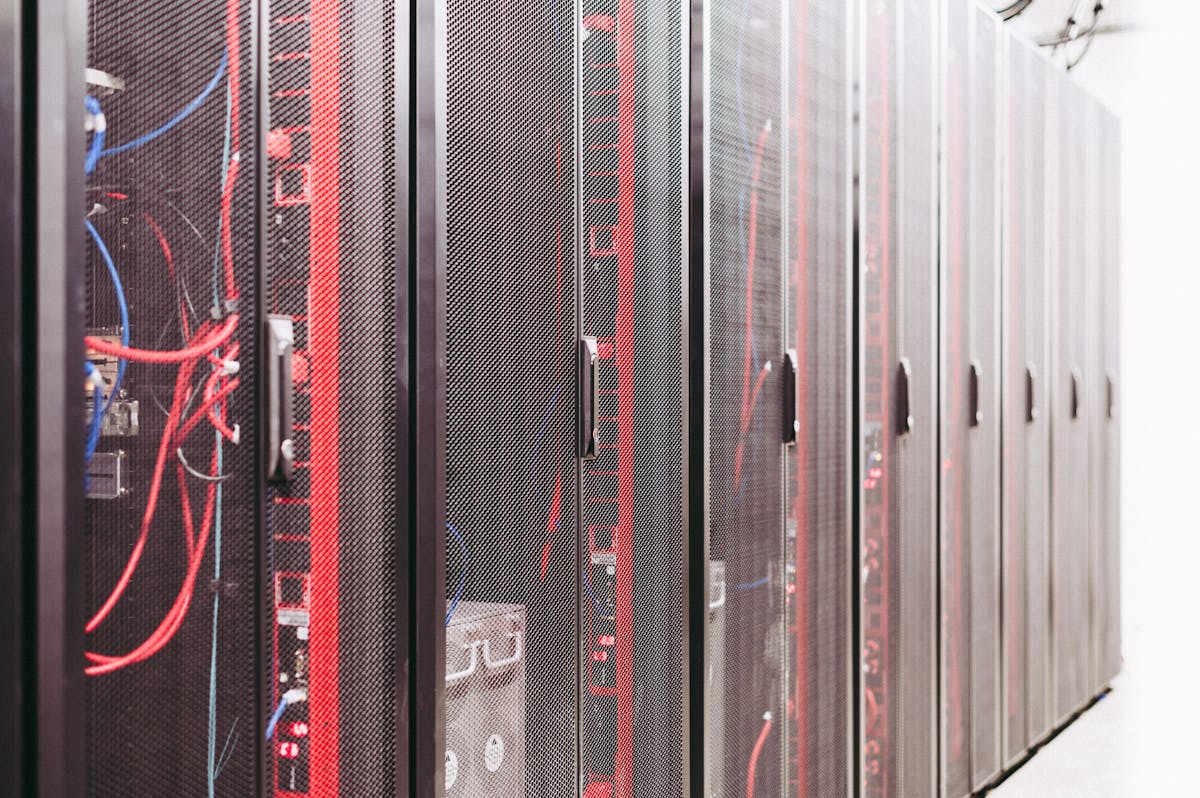
Photo by Brett Sayles on Pexels
The experiment happening here flips that calculation inside out. Instead of sequestering the hardware in an anonymous tilt-up concrete warehouse in northern Virginia, the hardware sits in the basement of a community center. The waste heat from caching the sum of human knowledge gets routed into hydronic radiant floor loops for a public hall on the ground level.
Think about the symmetry for a second. The exact same infrastructure keeping the digital commons online becomes the literal radiator for someone reading a physical paperback three floors up. In summer, the cycle reverses: deep geothermal absorption loops cool the chip arrays while the building lobby provides a municipal refuge from 104-degree heat waves. The servers stay alive because the municipal cooling loop works, and the neighborhood gets refuge because the foundation needs uninterrupted power.
Why the Cloud Hates Being Looked At
The tech industry spent the last fifteen years training us to believe the internet is an ethereal vapor. We call it "the cloud" specifically so we don't think about diesel backup generators, copper conduits, or the millions of gallons of evaporative cooling water sucked out of local aquifers. Invisibility was a corporate feature, not a bug, because invisible things are remarkably hard to tax, regulate, or protest.
Wikimedia’s physical pivots pull in the opposite direction. If you place a rack of servers behind tempered glass next to a municipal desk where people renew their transit cards, you make digital storage ordinary. It looks less like an omniscient digital oracle and more like a water pump station.
- It ties data longevity directly to neighborhood upkeep.
- It forces tech engineers to share a lobby with the people who actually edit their entries.
- It makes backup power generators a neighborhood resource during blackouts rather than private corporate assets.
What happens to our understanding of information when we can hear the fans whirring while waiting for a bus pass? It grounds the digital world in friction and weight. An encyclopedia stops being an abstract cloud service and turns back into a physical stockpile, like grain stored against a bad harvest.
The Legal Nightmare of Civic Servers
I want this model to succeed everywhere, but the institutional friction must be enormous. Wikimedia is a 501(c)(3) entity built on radical transparency and volunteer consensus. Municipal real estate, by contrast, is a jungle of zoning variances, public bonds, union maintenance contracts, and local liability laws.
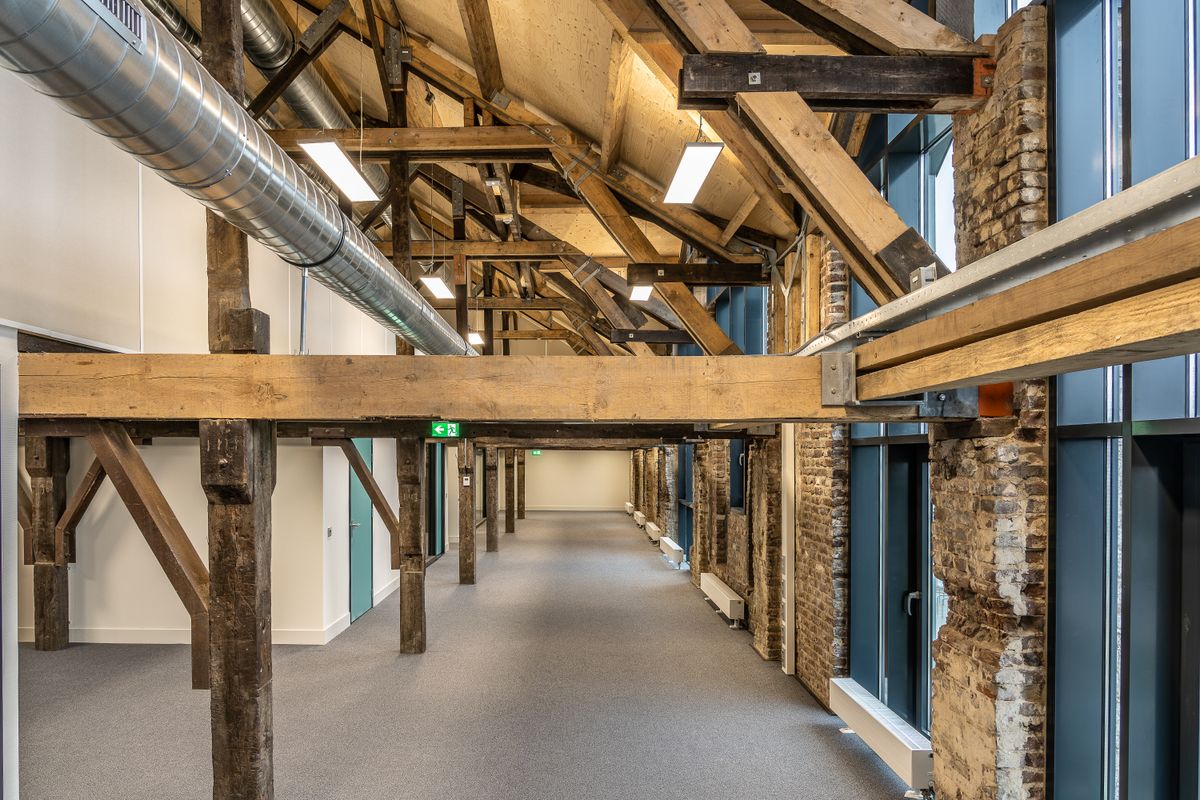
Photo by Mike van Schoonderwalt on Pexels
Imagine the jurisdictional knot if a server rack inside a public cooling shelter receives a court-ordered subpoena or an international copyright takedown. Does the municipal authority step in? If a heat pump blows on a Sunday afternoon, does the city’s public works department fix it, or does an on-call site reliability engineer in another time zone dispatch a specialized contractor?
We haven't built legal frameworks for buildings that are 40% civic shelter, 30% international knowledge repository, and 30% workplace. Our building codes understand libraries, and they understand telecom utilities, but they look baffled when a structure tries to be both at the same time. The friction between open-source community ideals and concrete city bureaucracies is going to be messy.
What This Actually Means
For thirty years, we treated computing as an escape from geography. The grand promise of the early web was that place didn't matter anymore, that two people on opposite sides of the planet could collaborate inside a placeless digital ether. We built an entire global network on the fantasy that hardware was an afterthought and physical location was obsolete.
These hybrid civic-data structures feel like the internet finally admitting that physics wins in the end. Data requires electricity, electricity makes heat, and heat must be handled by air, water, and earth. By welding Wikimedia's digital footprint directly to the thermal and social survival of actual city blocks, the platform stops floating in the sky and puts its boots in the mud.
Maybe the real future of resilient public institutions isn't decentralized code running on invisible servers, but hyper-visible servers keeping public rooms warm. It turns out that the most radical thing an internet foundation can do with its infrastructure is simply let people sit next to it.
Quick Answers
Why would Wikipedia care about physical buildings if it's an online platform?
Their servers still require massive physical power and cooling, and anchoring that hardware in public civic hubs keeps their operational footprint transparent and community-rooted rather than hidden in corporate data centers.
How does a server room double as a cooling center?
The shared building integrates specialized geothermal and hydronic cooling loops that keep server racks cold while providing a temperature-controlled public sanctuary during extreme weather events.
Who pays for these facilities?
They are structured through hybrid financing, pairing the Wikimedia Foundation’s infrastructure investments and nonprofit grants with municipal public works funding for civic climate resilience.

