
We mistook the refusal to choose for the preservation of freedom. By treating every career turn, relationship, and lifestyle upgrade as a provisional beta test, we built an existence entirely devoid of traction. The relentless pursuit of open doors has quietly transformed into an open prison, starving us of the depth that only irrevocable commitment can provide.
Look closely at how modern platforms are engineered, and you see the architecture of hedging. Dating applications keep millions suspended in the liminal fantasy that a marginally superior partner waits five swipes away; streaming platforms serve up thousands of titles only for users to spend 45 minutes browsing before giving up and going to bed; productivity software boasts infinite configurations that distract from doing any actual work. We have built an entire economy around deferral. In finance, optionality has a measurable price—investors pay a premium for the right, but not the obligation, to act. In human psychology, that premium is paid directly in chronic anxiety.
The Mathematical Agony of the Next Best Thing
Economists have spent decades warning about the paradox of choice, but optionality is far more insidious than simply facing too many brands of jam on a supermarket shelf. Choice is a momentary event. Optionality is an ongoing psychological posture—a refusal to close down unselected paths, rooted in an unbearable fear of opportunity cost.
When Barry Schwartz quantified the paralysis of overchoice in 2004, the internet had barely begun to digitize every facet of identity. Today, the arithmetic of comparison is ambient and constant. A 2022 survey by the Pew Research Center found that 46 percent of online dating users felt more overwhelmed than excited by their prospects. The human brain evolved to evaluate candidates from a tribe of roughly 150 people; it lacks the cognitive architecture to process an infinite stream of hypothetical replacements without degrading its capacity to value the person currently sitting across the dinner table.
Every unmade choice carries a phantom weight. When you refuse to commit fully to a city, a profession, or a partner, you must expend constant emotional energy monitoring the market value of the alternatives. You do not actually live in the life you have chosen; you merely haunt it while keeping one eye on the exits.
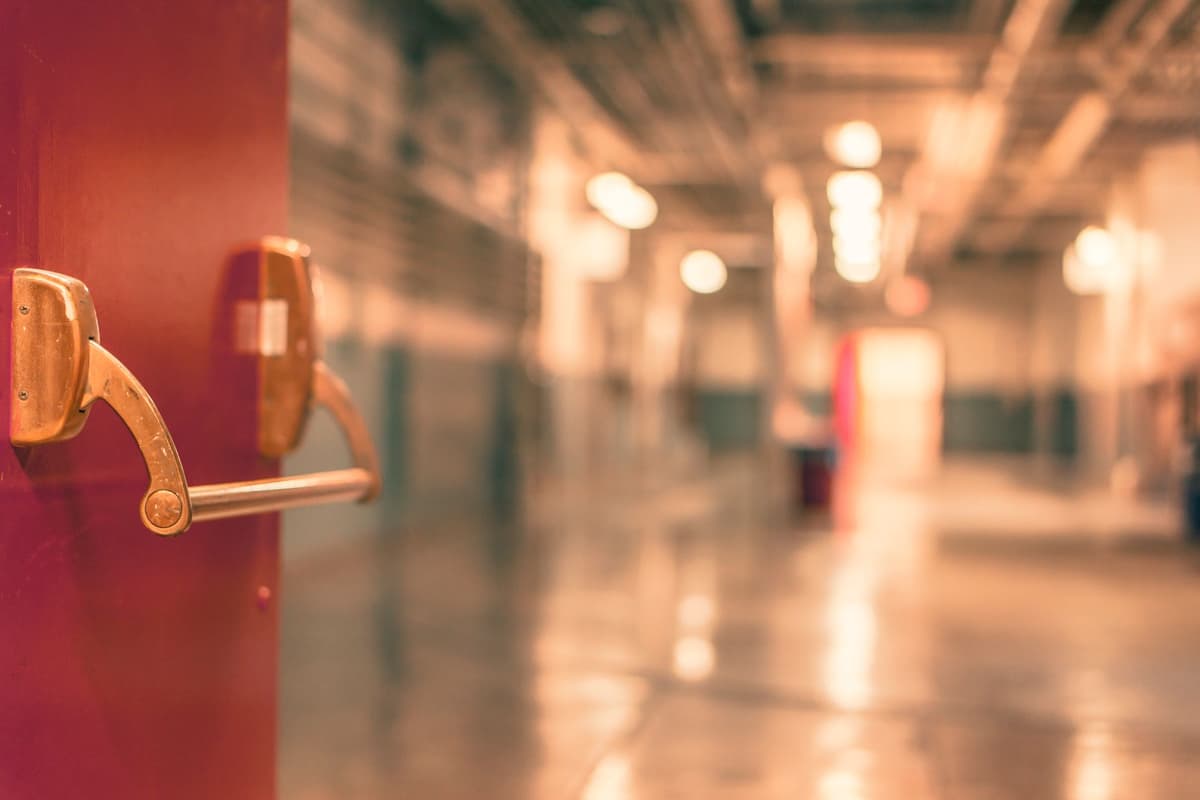
Photo by Gratisography on Pexels
The Counter-Revolution of Deliberate Scarcity
Because infinite flexibility is toxic to the nervous system, humans are beginning to invent crude, artificial barriers to protect themselves from their own liberty. We are witnessing a quiet, reactionary turn toward deliberate constraint.
Consider the surging popularity of radically restricted hardware. Sales of minimalist "dumb phones"—devices stripped of browsers and app ecosystems, designed solely for calls and basic SMS—jumped notably over the past three years, with niche brands like Light Phone reporting consistent revenue growth among users under thirty. People are willingly spending $300 to purchase a device that intentionally does less. They are paying cash to strip themselves of features.
This impulse extends far beyond consumer hardware:
- The revival of strict physical and athletic regimens, from marathon training to silent meditation retreats, where agency is happily surrendered to an immutable schedule
- The resurgence of structured, ritualistic domestic practices—bread baking, analog film photography, manual woodworking—where the physical medium dictates terms that software cannot undo
- The deliberate deletion of social feeds in favor of closed, unsearchable micro-communities that reject algorithmic discovery altogether
These behaviors are not nostalgic luddism. They are self-defense. When unbounded freedom threatens sanity, an enforced limitation becomes the only reliable proxy for peace.
What This Actually Means
Real autonomy does not mean hoarding alternatives until the day you die; it means possessing the nerve to eliminate options on purpose. Depth requires friction, and friction requires you to stay in one place long enough for reality to push back.
Every meaningful achievement in human history—mastering a difficult craft, sustaining a long marriage, building an enduring institution—demands that you burn your back-up plans. The moment you introduce an escape hatch, your tolerance for discomfort plummets. When things turn boring, complex, or agonizing (as all vital endeavors eventually do), an uncommitted mind treats the difficulty as a cue to exit rather than a challenge to absorb.
To live well under modern conditions requires a deliberate, disciplined embrace of finality. It demands looking at an endless horizon of frictionless possibilities, selecting one difficult path, and intentionally bricking up the doorway behind you.
Quick Answers
Isn't having more options inherently better than having fewer?
Up to a modest baseline, yes, because basic options provide survival and basic dignity. Beyond that threshold, surplus options shift from liberating you to overwhelming your cognitive bandwidth with the burden of evaluation.
How does modern optionality differ from typical indecisiveness?
Indecisiveness is struggling to pick an option in the moment; structural optionality is an ideology that treats the act of settling on any option as a strategic mistake. It deliberately seeks to keep systems open-ended forever.
How can someone practically practice constraint without isolating themselves?
Start by making small, irrevocable decisions with zero recourse: buy a physical book instead of reading on an iPad, commit to a strict project timeline with external penalties, or sign up for a non-refundable multi-month course. Make turning back more expensive than pressing forward.


