
Thermodynamics is a Narc and We’re Done With It
Physics has always had this very annoying rule called the Second Law of Thermodynamics, which basically says that if you move heat away from one thing, you have to dump it somewhere else. It’s the reason your refrigerator makes the back of your legs sweaty while you’re trying to find the cheese at 2:00 AM. In cities, we do this on a massive scale: we pump heat out of our cool, pristine offices and dump it directly onto the sidewalk, turning every metropolitan downtown into a literal air-fryer where the pedestrians are the frozen mozzarella sticks.
But a group of researchers recently unveiled a 3D thermal invisibility cloak that can hide objects from infrared cameras by manipulating how heat flows around them. It doesn't just block heat; it guides it, bends it, and essentially tells the infrared spectrum to "look over there!" while the object stays thermally invisible. If we scale this up to building envelopes, we aren't just talking about better insulation. We are talking about buildings that are essentially ghosts to the sun. We are talking about gaslighting the entire solar system.
Imagine a skyscraper that doesn't absorb solar radiation and doesn't reflect it onto the guy trying to eat a $17 salad across the street. It just... isn't there, thermally speaking. The sun tries to hit the building with its best shot, and the building just pulls a 'Matrix' dodge, letting the heat pass through its structural aura without ever actually warming up the lobby. It’s the ultimate architectural 'no u.'
The Predator but for Condos
The current solution for hot buildings is basically "paint it white and hope for the best," which is the architectural equivalent of wearing a linen suit to a swamp wedding. It helps, but you’re still miserable. This new 3D cloak tech uses precisely engineered geometric structures to redirect thermal energy. It’s stealth technology, but instead of hiding a B-2 bomber from a radar dish, we’re hiding a 50-story luxury apartment complex from a giant ball of hydrogen fusion 93 million miles away.
If we wrap a building in this stuff, the surrounding microclimate stops being a hellscape. Usually, a glass tower acts like a giant magnifying glass held by a cruel child over an anthill (the ants are us, the child is the developer). With thermal stealth, the building stops contributing to the "Urban Heat Island" effect. The street level might actually stay at a temperature that doesn't melt the rubber off your sneakers. We could finally walk through midtown without feeling like we’re being interrogated by a very bright, very hot police lamp.
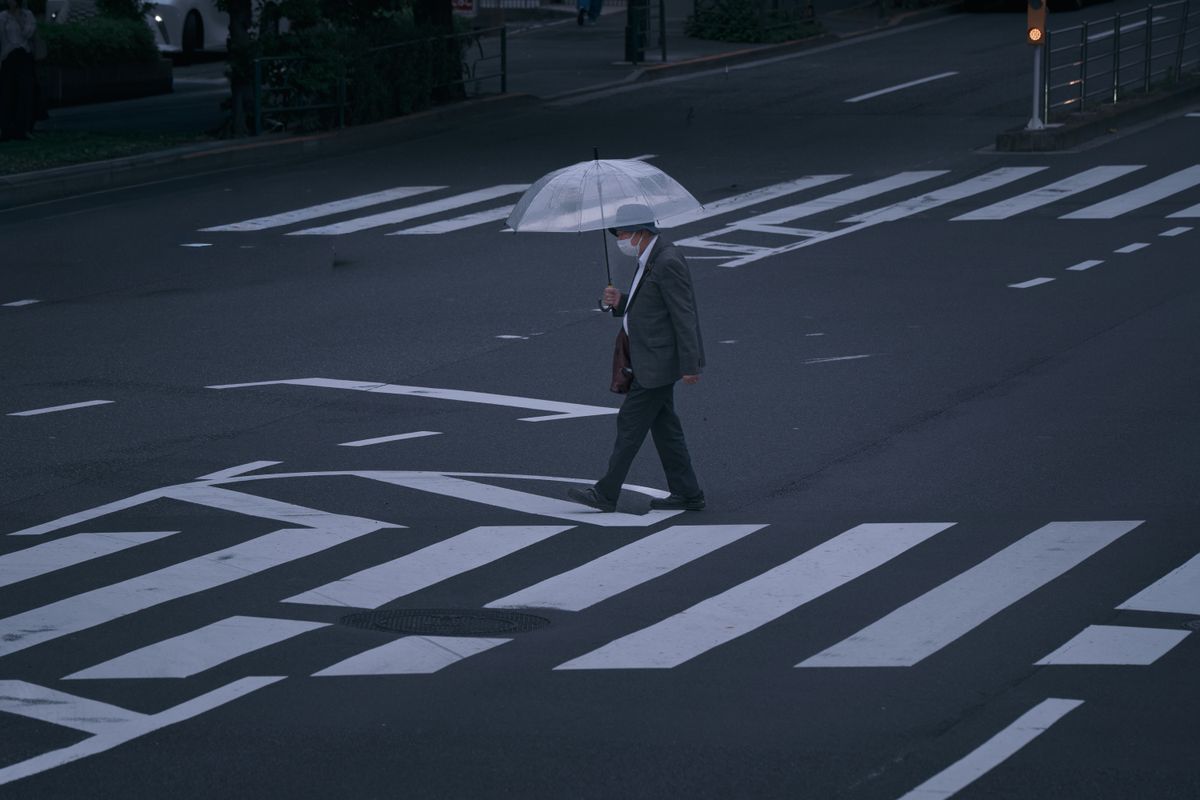
Photo by Iban Lopez Luna on Pexels
There is something deeply funny about the idea of a building being "stealth." Usually, when we think of stealth, we think of ninjas or submarines, things that are supposed to be quiet and small. A 700-foot-tall tower made of steel and ego is the opposite of stealth. But in the infrared world, these buildings would look like holes in reality. A thermal camera would see the park, the street, the hot dog stand, and then just a giant, cold void where the Goldman Sachs building should be. It’s architectural gaslighting at its finest.
Why This Beats Your Dumb Air Conditioner
Traditional AC is a zero-sum game of thermal violence. You win, your neighbor loses, and the planet sighs in exhaustion. This cloak technology is different because it’s passive. It’s not using electricity to fight the heat; it’s using geometry to outsmart it. It’s like the difference between pushing a bully and just stepping out of the way so he falls into a trash can. We are essentially building trash-can traps for solar photons.
- No moving parts to break down when it hits 100 degrees.
- No humming compressors making the city sound like a giant server farm.
- Zero carbon footprint once the thing is actually glued to the side of the building.
- Makes your building look like it was designed by a high-end gaming PC manufacturer.
The cost is currently astronomical, obviously. Right now, making a square inch of this stuff probably costs more than my entire education, but that’s how all the best things start. Aluminum used to be more precious than gold, and now we use it to wrap leftover burritos. Eventually, we’ll be shrink-wrapping every Taco Bell in this thermal stealth film, and the world will finally be at peace. Or at least, we’ll be slightly less damp.
What This Actually Means
We are moving toward a future where the city doesn't have to feel like a punishment for wanting to live near a subway station. By integrating thermal invisibility into the very skin of our architecture, we can stop the arms race between rising temperatures and power grids that are held together by duct tape and prayers. It’s a fundamental shift from "fighting" the environment to simply opting out of the conflict entirely.
This isn't just about comfort; it’s about survival for the urban poor who can’t afford to run a 12,000 BTU unit 24/7. When the buildings themselves stop hoarding heat like dragons hoarding gold, the baseline temperature of the city drops for everyone. It turns the city from a radiator into a heat-neutral zone. We might actually be able to have "summer" again without it being a four-month-long hostage situation involving our sweat glands.
Ultimately, if we can hide a skyscraper from the sun, we’ve proven that humans are the ultimate trolls of the natural world. We looked at the laws of physics and said, "That’s a nice suggestion, but I’d rather not be sweaty while I’m at the bank." And honestly? That’s the most human thing I’ve ever heard.
Quick Answers
Will this make buildings literally invisible to the human eye?
No, you'll still see the building, which is a bummer for people who hate brutalism, but the infrared cameras (and the sun) will be totally confused.
Is this going to be used for military stuff first?
Yes, obviously. We’ll hide tanks before we hide your local Starbucks, because humanity has its priorities straight (killing things > cold lattes).
When can I buy a thermal invisibility cloak for my car?
Probably never, but you could try parking in the shade, which is the low-tech version of this that costs exactly zero dollars.


