
Hospitals are quietly swapping permanent nursing staffs for on-demand workers booked through algorithmic dispatch platforms. The pitch to hospital administrators sounds like standard Silicon Valley gospel: lower overhead, ultimate schedule flexibility, and an instant fix for a nationwide staffing crisis. The reality on the floor is a dangerous erosion of institutional memory, where nobody knows the unit, nobody owns the culture, and liability dissolves into fine print.
Treating bedside care like grocery delivery misunderstands what keeping a dying patient alive actually requires. Medicine is not simply a list of discrete tasks performed in isolation. It relies on the subtle, uncodified knowledge that only comes from working the same floor, with the same doctors, monitoring the same surgical trends over months and years.
The Disappearing Floor Culture
A critical care unit is a complex system held together by trust, unwritten routines, and rapid peer checks. When an algorithm drops a 1099 clinician into a high-acuity surgical step-down unit for a single twelve-hour shift, that social fabric vanishes entirely.
The app-dispatched nurse does not know where the backup tracheostomy kits are kept during a power flicker. They do not know that the attending physician on call prefers a specific hemodynamic threshold before escalating medication, or that the telemetry monitor in Room 14 has a loose lead that triggers phantom arrhythmias. These are not minor logistical hiccups. They are the exact margins where preventable medical errors occur.
According to an analysis published in Health Affairs, hospitals relying heavily on temporary and contract staff consistently post higher rates of hospital-acquired infections, patient falls, and 30-day readmissions. It turns out that continuous, relational care cannot be neatly abstracted into an algorithmic shift-matching service.
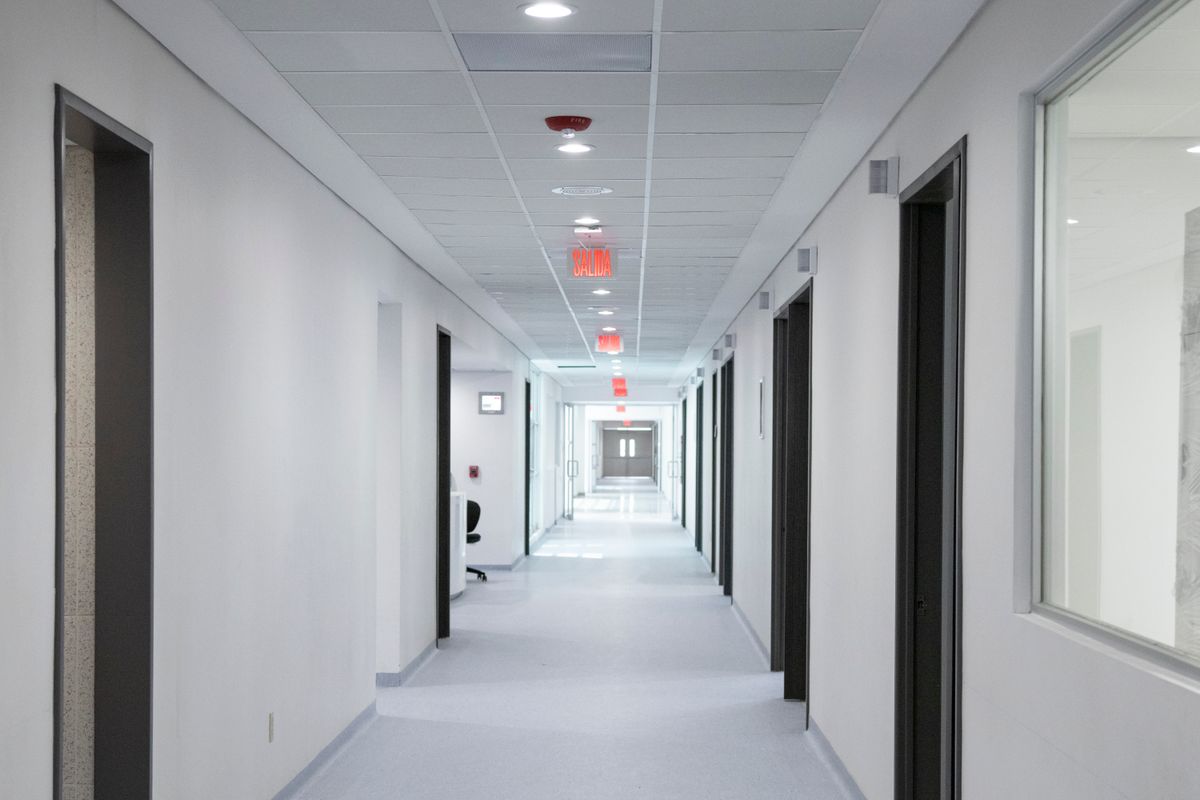
Photo by Enrique Silva on Pexels
The Ghost Tier of Medical Liability
The central innovation of the on-demand labor model has never been technical efficiency. It has always been the strategic shedding of legal liability. Platform companies operate as tech intermediaries rather than healthcare employers, disclaiming the standard burdens of workers' compensation, paid sick leave, and supervisory responsibility.
When a catastrophic medication error happens under a traditional model, the lines of accountability are established: the hospital system holds structural responsibility under the doctrine of respondeat superior. The institution investigated the nurse's credentials, managed their training, and maintained the environment in which they worked. Under the gig model, this accountability shatters into three distinct directions:
- The app platform claims it merely provided software to connect an independent contractor with a buyer
- The hospital argues the nurse was an outside contractor not bound by full institutional employment
- The individual clinician is left with standard personal malpractice insurance, which rarely covers seven-figure catastrophic outcomes
This legal void leaves patients stranded after major medical errors, caught in multi-year jurisdictional battles over who legally directed the clinician’s hand at 3:00 AM. It creates an insulated class of platform operators who harvest a 20 to 30 percent cut of every billable hour while assuming none of the malpractice exposure that defines modern healthcare.
Algorithmic Surge Pricing at the Bedside
Silicon Valley venture capital spent more than $1.2 billion between 2021 and 2023 backing digital healthcare staffing marketplaces like ShiftKey, Nomad Health, and Incredible Health. The endgame is not stabilizing hospital workforces; it is deregulating how healthcare labor is bought and sold.
These platforms run on dynamic pricing models borrowed straight from ride-sharing apps. When an intensive care unit faces a sudden surge in patient acuity on a Friday night, the hourly rate spikes. Nurses who left full-time positions at $38 an hour can sign on to the exact same hospital through an app for $95 an hour. The incentives are upside-down.
Hospital executives often view this dynamic as an acceptable trade-off for eliminating long-term pensions, health benefits, and collective bargaining units. But this calculus ignores human limits. Relying on transient labor forces the few remaining staff nurses into permanent training roles, continuously orienting unfamiliar colleagues while carrying dangerous patient ratios themselves. Burnout among core nursing staff accelerates, driving more career clinicians out of permanent jobs and directly into the gig marketplaces that hollowed them out in the first place.
What This Actually Means
Healthcare is not logistics. A patient in septic shock is not a restaurant meal waiting on a curb, and a specialized telemetry nurse is not an interchangeable driver waiting for a ping. The push to turn clinical care into piecework is an effort to strip the most expensive line item in hospital administration—compassionate, qualified, continuous labor—and replace it with a fluid, disposable pool of contractors.
If state regulators allow on-demand staffing platforms to treat clinical licensure as a commercial driver's license, the standard of hospital care will fracture along socioeconomic lines. Wealthy institutions with deep endowments will retain permanent, highly trained, unionized nursing teams. Community hospitals and underfunded safety-net systems will become algorithmic holding pens staffed by transient contractors who pack their bags the moment their shift expires.
When you check into a hospital, you are surrendering your autonomy to a collective institution. You are trusting that the people monitoring your heart rate understand both the machines beside you and the institutional protocols designed to protect you. Handing that sacred dynamic over to a software broker that treats human recovery like an on-demand delivery route is a structural collapse masquerading as technological progress.
Quick Answers
Are travel nurses and app-based nurses the same thing?
No. Traditional travel nurses typically work under structured 13-week contracts with built-in orientation periods, established agency oversight, and direct legal integration into the hospital's operational framework. App-based staffing models often push single-shift or per-diem work with little to no facility orientation.
Why are nurses choosing these apps over hospital jobs?
Nurses are driven to these platforms by unbearable hospital-imposed patient ratios, rigid administrative scheduling, and wage stagnation. The apps offer real autonomy over working hours and immediate compensation, even if they lack long-term safety nets.
Does this lower hospital bills for patients?
Not at all. Hospitals routinely pay steep placement margins to the software platforms, absorbing elevated labor expenses while passing systemic facility fees down to patients and private insurers.


