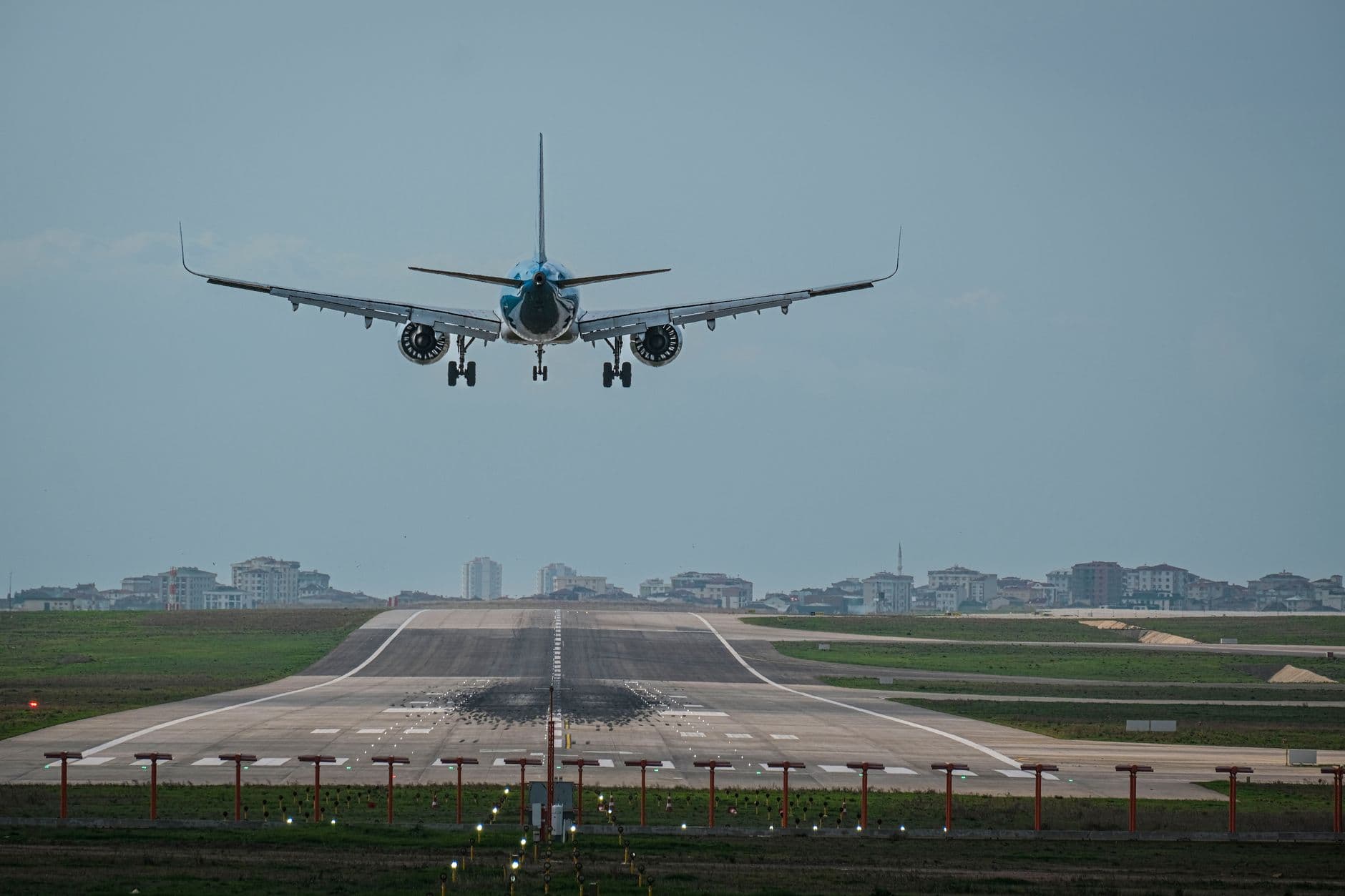
The Flying Duracell Has Landed
Watching a massive electric plane take off feels less like witnessing the Wright brothers and more like watching a golden retriever try to climb a ladder. You know it’s possible in theory, but the physics of it look deeply suspicious until the very last second. We’ve finally seen the maiden flight of a commercial-scale electric beast, and while the engineers are popping champagne, the accountants are staring at the weight distribution charts like they’re looking at a crime scene.
The central problem is that jet fuel is essentially magic juice. It’s incredibly energy-dense, and the best part is that the plane gets lighter as it burns it. Batteries, on the other hand, are the clingy exes of the energy world. They are heavy, they take up all the space, and they refuse to leave even after their job is done. You land with the same three tons of dead weight you took off with, which is a bold choice for a vehicle whose primary enemy is gravity.
The Battery Weight Penalty Is a Literal Drag
To get a commercial electric plane off the ground, you have to pack it with so many batteries that there’s barely any room left for the actual people paying for the flight. It’s a hilarious logistical paradox. You’re basically flying a giant battery that has been graciously fitted with a couple of lawn chairs and a bag of pretzels. If you want to fly twice as far, you need twice as many batteries, which makes the plane so heavy it can no longer fly at all.

Photo by Egor Kamelev on Pexels
This isn't a "drop-in" replacement for your twelve-hour haul to London. If you tried to fly an electric 747 across the Atlantic right now, the battery would need to be the size of the Titanic, and the only passenger would be a very lonely mouse sitting on top of a mountain of lithium. We aren't looking at the end of kerosene; we're looking at the glorious, vibrating resurrection of the 1950s regional commute.
We are talking about the "puddle jumper"—the kind of flight where you can see the pilot’s neck sweat and the person next to you is definitely holding a live chicken in a crate. Because electric planes excel at short bursts, they are about to make the two-hour drive between mid-sized cities obsolete. Why sit in traffic for three hours when you can spend twenty minutes in a flying Tesla that sounds like a very angry hair dryer?
Killing the Hub-and-Spoke Nightmare
For the last thirty years, airlines have forced us into the "Hub-and-Spoke" model, which is a fancy way of saying "You have to go to Atlanta before you’re allowed to go anywhere else." It’s a system designed to fill massive jets, and it’s why traveling 200 miles often takes eight hours of your life. Electric aviation looks at that system and says, "What if we just... didn't do that?"
Since electric motors are absurdly cheap to maintain compared to jet turbines—which are basically delicate Swiss watches that eat fire—the economics of small planes suddenly make sense again. A 19-seater electric plane doesn't need a massive ground crew or a $50,000 engine overhaul every time a bird looks at it funny. It just needs a giant plug and a pilot who isn't afraid of heights.
- No more three-hour layovers in O'Hare because your connecting flight's left wing felt "sad."
- Direct flights between cities that haven't seen an airport open since the Eisenhower administration.
- The ability to land at tiny municipal strips right next to where you actually want to be, rather than forty miles away in a desolate wasteland labeled "International Airport."
What This Actually Means
This isn't about saving the planet—though that’s a nice side effect if you’re into having breathable air. This is about the death of the mega-airport. We are moving toward a future where regional travel is decentralized. Instead of five massive airports handling everything, we’ll have five hundred tiny ones. It’s the democratization of flight through the medium of very heavy, very quiet boxes of electricity.
Yes, the "Battery Weight Penalty" means you won't be flying electric to Hawaii anytime soon. But you might be flying electric to your aunt’s house three towns over just to avoid the highway. We’re trading the roar of the jet engine for the hum of a glorified ceiling fan, and honestly, if it means I never have to set foot in a Newark terminal again, I will personally carry the batteries onto the tarmac myself.
The real win here is the bypass. We are bypassing the congestion, the TSA lines that move like tectonic plates, and the $18 airport sandwiches. The electric plane is the ultimate shortcut. It’s inefficient as a beast of burden, but as a neighborhood skip-car? It’s perfect. Just don’t expect to bring more than one suitcase, because the plane is already carrying its own body weight in AA Duracells.
Quick Answers
Can I charge my phone on the plane?
Technically, the entire plane is a phone charger, but the pilot would prefer you don't drain the "landing gear" juice to scroll TikTok.
Will tickets be cheaper?
In the long run, yes, because electricity is cheaper than liquified dinosaurs and electric motors don't explode nearly as often as combustion ones.
Is it quiet?
Eerily so. Instead of a roar, it’s a polite whir, which means you’ll finally be able to hear exactly how loudly the guy in 4B is snoring.
What happens if the battery dies mid-flight?
Ideally, you glide to a very graceful stop, but this is why we’re starting with 30-minute flights over flat land and not 14-hour treks over the Pacific.


