
The Audacity of Not Breaking
Silicon Valley spent three decades perfecting the art of the 'minimum viable product,' which is a polite industry term for a digital paperweight that requires weekly updates to keep its atoms from drifting apart. Now, a small group of developers has decided to ruin everything by creating tools that actually function. Projects like Hundred Rabbits are building ecosystems designed to run on a toaster for the next fifty years, which is a deeply offensive gesture toward every VC firm currently counting on a 20% churn rate to keep the lights on.
Building software that doesn't need a high-speed fiber connection and a $3,000 MacBook Pro to render a text document is, frankly, un-American. If a program doesn't force you to agree to a 40-page Terms of Service update every Tuesday, does it even exist? The 'Slow Software' movement suggests that code should be durable, legible, and—heaven forbid—finished. This is a radical departure from the standard practice of shipping a half-baked beta and then charging users a monthly fee to act as unpaid QA testers.
The Tragedy of the One-Time Purchase
The business world is currently panicking because 'durable software' implies a terrifying concept: the one-time transaction. In the modern SaaS (Software as a Service) landscape, the goal is to turn every tool into a utility bill. You don't own your word processor; you rent it from a landlord who reserves the right to change the font or delete your files whenever their quarterly earnings look a bit thin. Durable software suggests that if you buy a hammer, you should be able to keep the hammer without paying a 'Swing-as-a-Service' fee.
- Low-maintenance code means fewer support tickets, which means fewer jobs for people whose only task is to say 'have you tried clearing your cache?'
- Multi-decade ROI is a nightmare for a market that defines 'long-term' as the three months between now and the next earnings call.
- Portability across platforms makes it harder to trap users in a proprietary ecosystem of overpriced hardware and proprietary file formats.
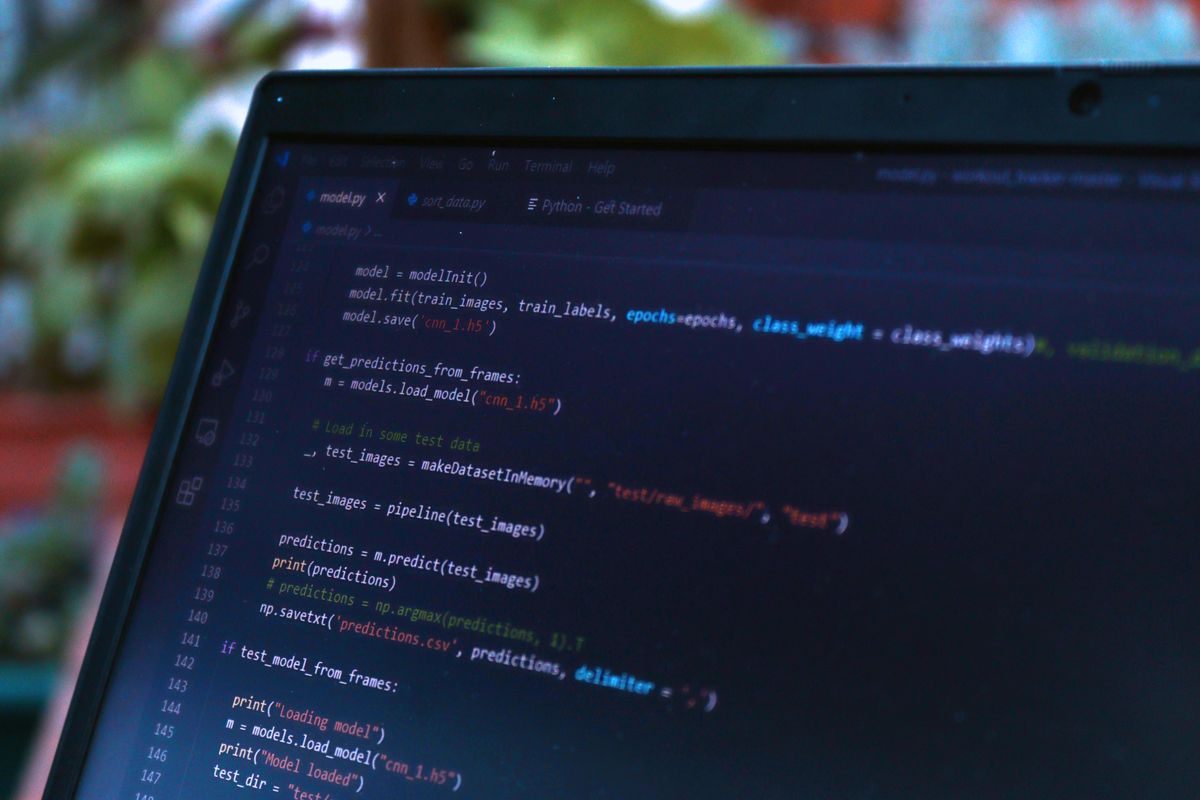
Photo by Mathews Jumba on Pexels
If we start building digital infrastructure that lasts forty years, how are we supposed to justify the $1.3 trillion spent annually on enterprise software? Most of that money is dedicated to fixing the problems created by the previous year's software. It’s a beautiful, self-sustaining ecosystem of incompetence. By introducing 'maintenance-free' code, these developers are effectively trying to starve the consultants who make a living navigating the labyrinth of broken APIs and deprecated dependencies.
Retrofitting the Future with Less
The most insulting part of this trend is the focus on 'permacomputing.' This philosophy treats hardware like a finite resource rather than a disposable wrapper for a silicon chip. Instead of demanding more RAM to power a chat app that uses more resources than the Apollo 11 moon landing, these developers are writing code that fits into 64KB. It's an efficiency that borders on the sadistic. They are proving that most of the 'innovation' of the last decade has just been layers of digital bloat designed to hide the fact that we haven't actually improved the underlying math since 1978.
Imagine the chaos if this spreads to the corporate world. If a bank’s internal ledger actually worked without a team of 400 developers constantly patching holes with digital duct tape, the unemployment rate would skyrocket. We have built a massive global economy on the foundation of 'Technical Debt,' and these people are trying to pay off the mortgage. It’s irresponsible. We need that debt. It keeps the gears turning. It keeps the 'New Features' emails hitting our inboxes like clockwork.
What This Actually Means
We are witnessing the birth of a 'Maintenance Economy' where the value is found in the absence of noise. While the rest of the world is chasing AI that can hallucinate a mediocre poem in four seconds, the slow software crowd is busy making sure a spreadsheet will still open in the year 2074. It’s a niche market for people who value their time more than they value the dopamine hit of a redesigned UI that hides all the buttons they actually use.
For the rest of us, the threat is real. If people realize they don't have to upgrade their OS every two years just to keep their calculator app from lagging, the entire consumer electronics industry might collapse. We should all be very afraid of software that works. It leaves us with nothing to do but our actual jobs, and nobody signed up for that.
Ultimately, the Slow Software movement is a reminder that we could have had nice things all along. We just chose the subscription instead. And as long as we keep clicking 'Accept,' the industry will keep breaking things on purpose to prove they're still working.
Quick Answers
Is slow software actually slower to use?
No, it's usually lightning-fast because it isn't carrying 400 tracking scripts and a heavy UI framework. It’s only 'slow' in the sense that it doesn't change its entire layout every six months to justify a subscription price hike.
Why would a company build something that doesn't require updates?
They wouldn't, unless they have a weird, archaic desire to provide value rather than extract rent. Most companies consider a product that 'just works' to be a missed opportunity for a recurring revenue stream.
Will this movement take over the mainstream tech industry?
Only if investors suddenly decide they prefer steady, boring profits over the volatile, explosive growth fueled by planned obsolescence. So, no, you’re probably safe to keep paying for your cloud-based toaster subscription for the foreseeable future.

